Shoppers are turning back to cinema , or rather, movie lovers are flocking to Reeling. The 44th Reeling Chicago LGBTQ+ International Film Festival returns Sept 17–27 with 36 features and 59 shorts from 22 countries, bringing fresh queer stories, crowd-pleasers and a few audacious wildcards to screens across the city.
Essential Takeaways
- Big slate: 36 feature films and 59 shorts from 22 countries, screened Sept 17–27 across Chicago venues.
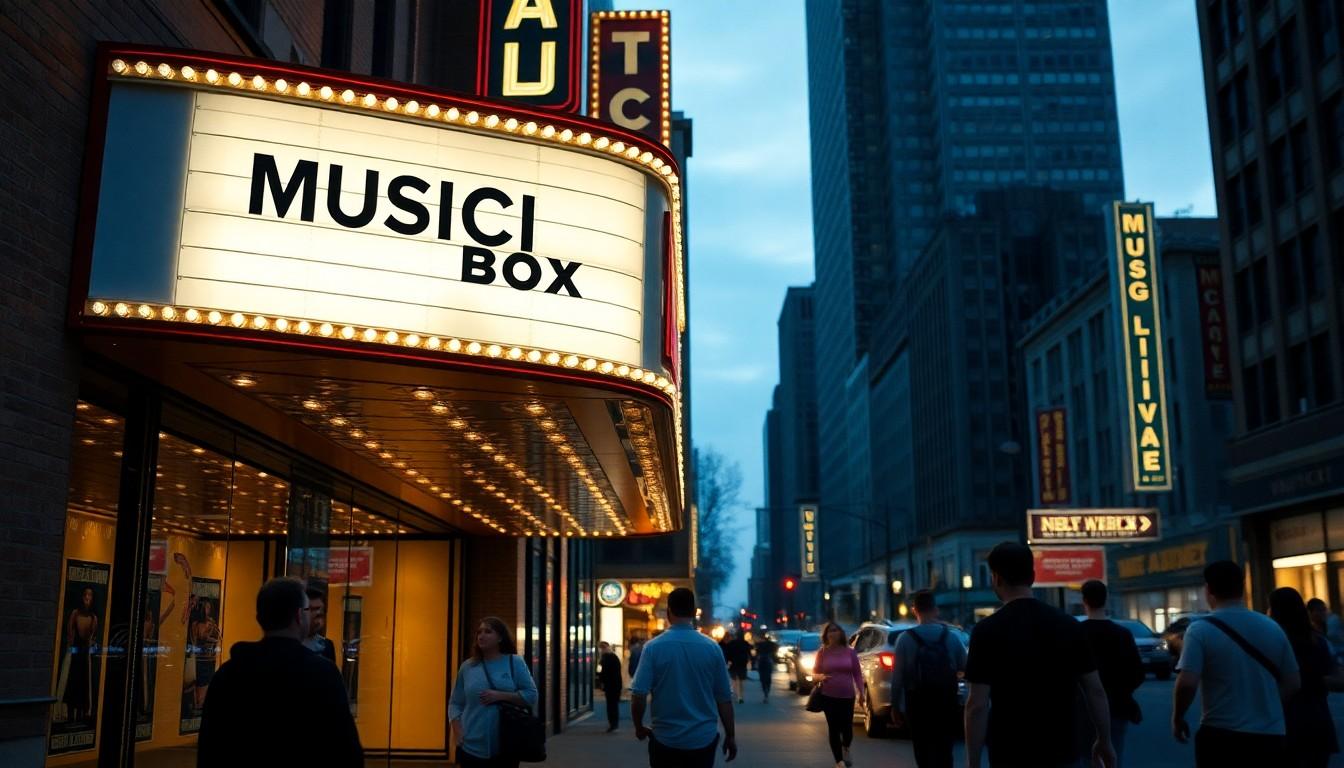
- Opening and closing: Opening night at the Music Box features Spanish Cannes hit La Bola Negra; closing is a 30th‑anniversary The Celluloid Closet screening.
- Tickets and passes: Single tickets are roughly $15–$20; festival passes offer 5, 10 or unlimited screenings.
- Diverse highlights: Program features trans-led dramas, queer horror comedy, rural coming-of-age tales and documentaries about cultural intersection.
- Community vibe: Programmers and attendees stress that seeing films with your community is an essential part of the experience.
Why this year feels like a moment for queer cinema
Reeling’s 44th edition lands at a time when queer stories are both more visible and more contested, and that tension makes the festival feel urgent and celebratory. The opening film, La Bola Negra, comes with Cannes acclaim and emotional heft, offering a sweeping, multi‑era portrait that critics and programmers have compared to modern queer touchstones. Seeing that kind of craft on a big screen, alongside local audiences, has a warm, communal charge.
The festival was founded in 1981 and has quietly become one of the world’s longest‑running LGBTQ+ festivals. According to organisers, the mix of international voices shows how wide the community’s stories are , from Spain and Brazil to South Africa and Mexico. If you want cinema that’s sometimes gentle, often challenging and occasionally batsh*t fabulous, this is where to find it.
Opening, closing and programme structure , what to plan for
Opening night at the Music Box Theatre is a full‑on event , film, crowd, atmosphere , and the ticket price reflects that. Regular screenings mostly take place at Landmark Century Centre Cinema, making it easy to map your days. Passes range from five‑show bundles to unlimited access, which can be excellent value if you’re plotting a festival weekend.
The programme balances premieres and classics: the closing night honours film history with The Celluloid Closet’s 30th‑anniversary screening, reminding audiences how representation has changed. If you’re juggling work and life, aim for a mix of flagship titles and shorts programs; shorts are compact, often surprising, and a good way to sample new voices without committing to a feature.
Standout films and why they matter
Several titles are already generating buzz. Mermaid, a trans coming‑of‑age story, is being touted for its tenderness and strong central performances, and it slots neatly into a growing roster of trans‑led cinema. I Am Going to Miss You is notable for an all‑trans cast and its quiet, intimate look at relationship drift. For a tonal jump, Son of Sara brings horror and sharp comedy in a package that promises to be both provocative and crowd‑pleasing.
Documentaries such as Jaripeo shine a light on specific cultural tensions , in this case, gay Mexican rodeo riders navigating machismo , and Test explores rural closeted life with affecting performances. Programmers are intentionally offering a range so that every screening can feel like discovering a new favourite.
Tickets, accessibility and festival etiquette
Tickets are straightforward: single tickets around $15 ($13 for members), opening night premium pricing, and passes for multiple screenings. Many screenings are at venues with accessible seating, but it’s smart to check individual listings for wheelchair access or captioned shows if you need them.
Plan ahead for popular slots , opening night and headline features draw crowds. Arrive early for shorts programs and Q&A sessions; conversations with filmmakers are often the best part. And remember: watching a film with a live, engaged audience changes how you feel about it , laughter, gasps and applause are part of the event.
The festival’s role in a changing media landscape
Reeling has always served as both mirror and map for queer cinema: reflecting what’s been made and pointing to what’s next. As mainstream platforms pick up more LGBTQ+ stories, festivals like Reeling remain crucial for riskier, grassroots work that might never get a wide release. They also create a space where audiences can confront nuance, joy and pain together.
Organisers and programmers have leaned into that civic function. Expect films that provoke conversation as much as they entertain , and if you’ve been feeling like streaming just isn’t enough, Reeling is a reminder of how communal film can be.
It's a small change in plans that can make your autumn feel richer , pick a screening and go with friends.
Source Reference Map
Story idea inspired by: [1]
Sources by paragraph: