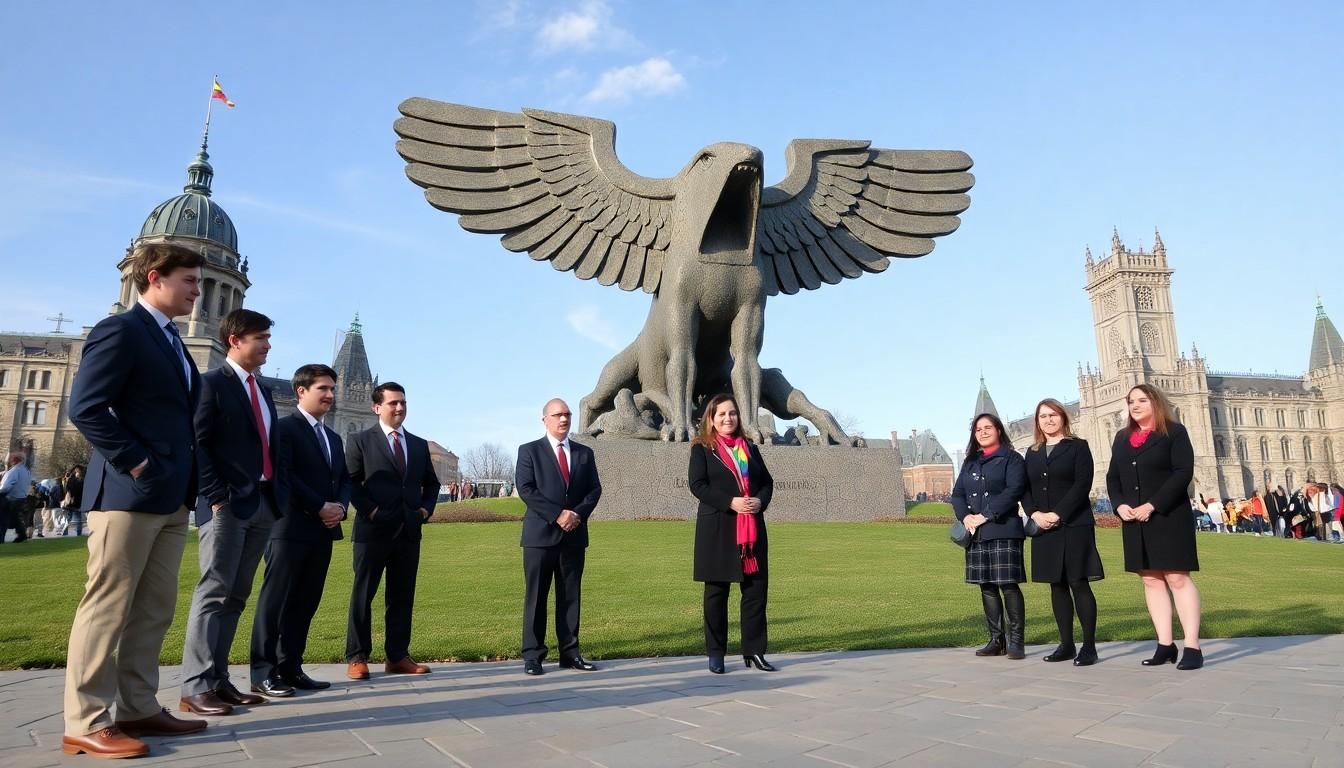
Shoppers of history and visitors alike are gathering in Ottawa this week to see Thunderhead, Canada’s first national monument recognising state‑sanctioned persecution of 2SLGBTQI+ people , a solemn, hopeful installation on Parliament Hill that matters for memory, justice and public conversation.
- What it is: A striking public monument on Parliament Hill that honours 2SLGBTQI+ Canadians who faced government discrimination, including victims of the LGBT Purge.
- Who attended: Senior officials such as the Governor General and federal ministers joined the opening; the project was funded by the federal settlement.
- Design vibe: Created by an all‑Canadian team from Winnipeg, it sits on Anishinabe Algonquin traditional territory and aims to be both educative and contemplative.
- Accessibility & tone: The site is designed to invite reflection, with clear signage in both English and French and an intentional civic placement near federal institutions.
- Why it matters now: It closes a chapter of public amnesia for many and prompts fresh conversation about reconciliation, policy and lived safety for queer and Two‑Spirit communities.
A bold civic statement, felt as soon as you arrive
The first thing people say about Thunderhead is how it commands the space , there’s a quietness to it that feels almost tactile. According to the government, the monument recognises historic discrimination faced by 2SLGBTQI+ people in Canada, including harms from the so‑called LGBT Purge. That formal recognition is significant; public memory often needs an artefact to anchor conversation, and Thunderhead does exactly that.
Designers from Winnipeg worked with the federal settlement fund to build this piece, and the government has stressed the bilingual nature of the site, echoing Canada’s official languages. Visitors will notice both the visual restraint and the explanatory elements intended to teach as much as commemorate.
Who showed up, and why their presence matters
The unveiling drew senior figures, signalling the state’s backing of the project. The Governor General attended the ceremony, and ministers were present to mark the occasion. Those appearances echo the federal apologies and settlements that led to this moment, including the apology for convictions under old laws and for dismissals from the RCMP, military and civil service from the 1950s through the 1990s.
That kind of official recognition isn’t just ceremonial; it’s part of a larger arc of accountability that moved from apology to reparations and public memorial. For many survivors and families, seeing leaders in attendance is a public reaffirmation that their stories are seen.
How the monument fits into Canada’s broader reconciliation story
Thunderhead sits on the Anishinabe Algonquin Nation’s traditional territory, a deliberate siting that connects queer history with the land’s own layered histories. Cultural commentators and local voices have pointed out that national monuments do more than mark a date , they shape how citizens remember and learn.
Industry and cultural reporting note that the monument aims to celebrate resilience and achievements as much as to document harm. That balanced approach helps it function as a teaching tool for younger visitors who never lived through the purge era but will inherit the social and legal landscape shaped by those fights for equality.
Practical visiting tips and what to expect on site
If you’re going to see Thunderhead, expect bilingual plaques and accessible pathways , it’s been designed for public engagement. The monument is on Parliament Hill, so plan for security and variable crowds, especially on weekends or during official events. Nearby interpretive materials will give context about the purge, the federal settlement and the people affected.
Bring a quiet mindset: this is a spot for reflection as much as photography. For educators or groups, consider pairing your visit with readings about the LGBT Purge or survivors’ oral histories to give the site deeper resonance.
What comes next , conversation, commemoration, continued work
A national monument doesn’t finish a struggle; it reframes it. Thunderhead is meant to inspire change still needed so everyone can live openly and safely, and it will likely prompt renewed calls for policy work and community supports. Public monuments often catalyse conversations that lead to concrete steps , better services, educational programmes, or legal protections.
So while the unveiling was a significant milestone, expect ongoing dialogue, commemorative events and educational programming around the site in the months ahead.
It's a small change that can make every memory clearer and every conversation more honest.
Source Reference Map
Story idea inspired by: [1]
Sources by paragraph: