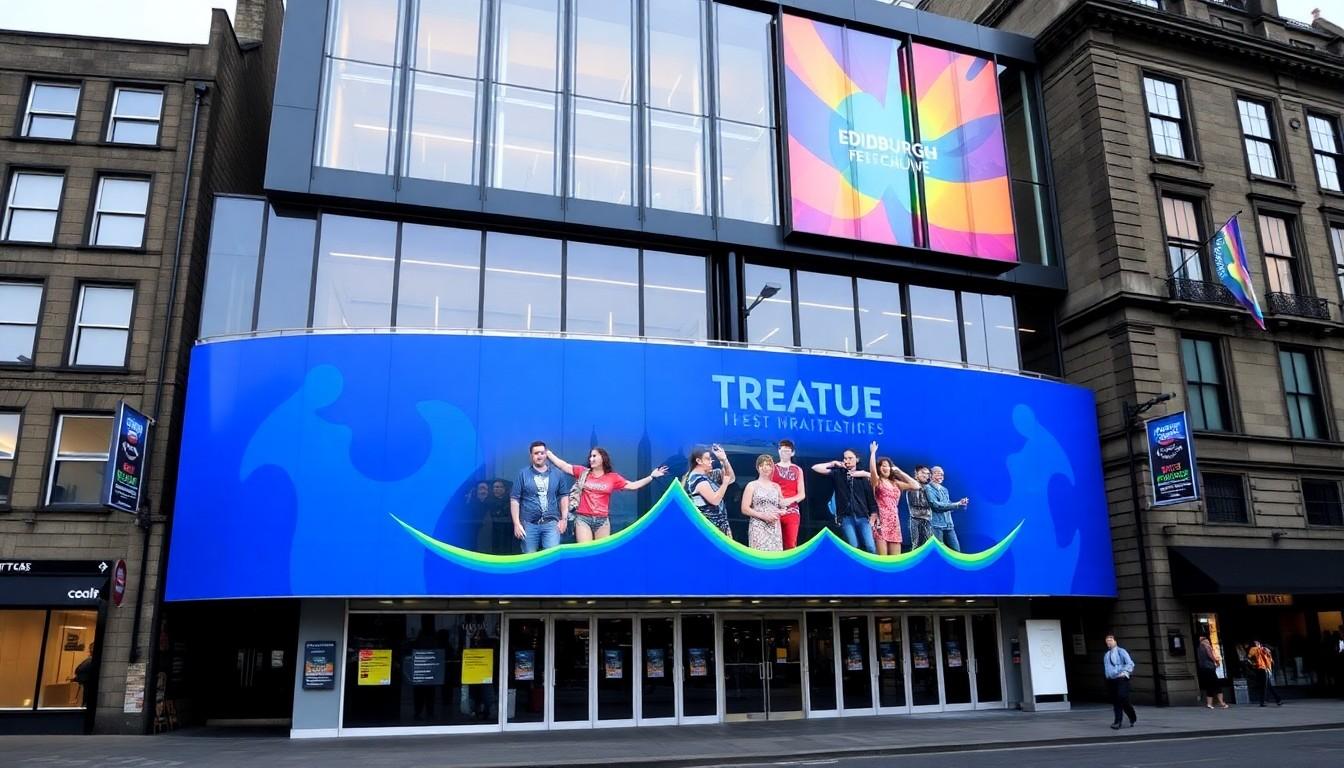
Shoppers and theatre-lovers are flocking to the Edinburgh Festival Fringe to see bold, funny, and raw work by trans playwrights and performers; five new shows put lived experience centre stage and offer perspectives Broadway still hasn’t quite caught up with.
Essential Takeaways
- Fringe variety: Five contemporary plays at the Edinburgh Fringe feature trans writers and performers, each tackling identity in fresh ways.
- Scene highlights: boobytrapped mixes body‑swap comedy with sharp conversations about masculinity and attraction; audiences report memorable, laugh‑out‑loud moments.
- Tone range: Shows run from dark satire to tender solo memoirs , some are violent, some whimsical, all unapologetic.
- Accessibility: Many Fringe productions are small, intimate and direct, giving trans voices creative control and immediacy that larger stages often dilute.
- Practical tip: If you’re heading to Fringe, book early for sold‑out shows and expect close seating, strong performances, and provocative staging.
Fringe energy beats glitz: why intimacy matters more than a Broadway marquee
Edinburgh’s Fringe is noisy, fizzy and wonderfully chaotic , and that’s the point. Unlike Broadway’s vast theatres and glossy marketing, Fringe gives writers tight rooms to test ideas where you can feel the actors’ breath and the audience’s reaction. That intimacy lets plays about trans life land with a texture and immediacy you rarely get from a big commercial production. According to reviews and audience reports from the Fringe, boobytrapped elicits both laughter and discomfort, a combination that’s harder to achieve when shows are designed to fill thousand‑seat houses.
Smaller spaces also mean risk. New writers can try unconventional devices , a body swap that never gets explained, for instance , and leave the why to the audience. That can frustrate people who want tidy plots, but it rewards theatre‑goers who prefer sparks and questions over neat resolutions.
boobytrapped: comedy, discomfort and an honest look at masculinity
boobytrapped centres on two men who literally switch bodies after a bar encounter, and the show’s strengths come from the frank conversations it stages about gender, attraction and survival. Audience reactions and reviews highlight a few set pieces , a wildly physical comic turn and an embarrassing masculinity tutorial , that make the point without needing a plot‑driven explanation for the supernatural twist.
It’s a production that wears its rough edges proudly. Freddie Haberfellner’s writing and performance, alongside Ermis Makides, give the play a lived‑in feel; the humour can be broad but the emotional beats are specific. If you’re buying a ticket, go expecting theatre that questions stereotypes and invites awkward laughter rather than tidy catharsis.
Five voices, five approaches: how the Fringe shows vary
The Fringe offers a spectrum. There’s intimate, road‑trip memoir in Yoz Mensch’s My Grandpa Doesn’t Follow Me On Instagram, which blends family, grief and discovery. Ros Watt’s Trans People are Awful goes full dark comedy and satire with an outrageous premise about taking control of one’s transition timeline. Nelly Kelly’s Transmission offered political context, tracing Scotland’s shifting climate around LGBT+ rights. Ash Routh’s Trans Butch: Glorious Dog Woman leans into community, identity and affection for the small, fierce details of life.
That variety is important: it demonstrates that trans stories aren’t a single story. Some plays are painfully blunt, others slyly comic, but together they insist on complexity and range. For audiences, that means you can choose tone: want grim satire? There’s something for that. Prefer something tender and reflective? That’s available too.
Why Broadway still lags on staging trans playwrights
Broadway has included transgender characters and performers over the years, but producing a play by a trans playwright remains rare. Industry inertia, commercial pressures and risk aversion play a part. Broadway needs shows that can sell out large houses for months; intimate, challenging pieces that thrive on immediacy don’t always fit that model.
That’s not just speculation. Theatre historians and industry commentators note that while trans actors have appeared on Broadway and trans characters have been written into major works, entire plays by trans writers rarely make the leap. The Fringe model , where creative control is local and nimble , has allowed new voices to flourish without catering to mass tastes, and that’s part of why Edinburgh feels, this year, a step ahead.
How to see these shows and what to expect
If you’re heading to Fringe, planning helps. Many shows sell out or run for short windows, so book early and arrive with flexible expectations: small venues, close rows, short runs. Check run dates carefully; boobytrapped closes late August at Space 2 at theSpace on the Mile, and others wrap up at different times. Reviews and Fringe pages are good guides for tone and suitability , if a show leans dark or satirical, audience write‑ups usually warn you.
Bring curiosity and a sense of humour. These plays often ask you to sit with discomfort and to laugh while confronting awkward truths. It’s theatre that invites conversation after the curtain falls, and you’ll probably want to keep talking about it on the walk home.
It’s a small change that can make every performance feel like discovery.
Source Reference Map
Story idea inspired by: [1]
Sources by paragraph: