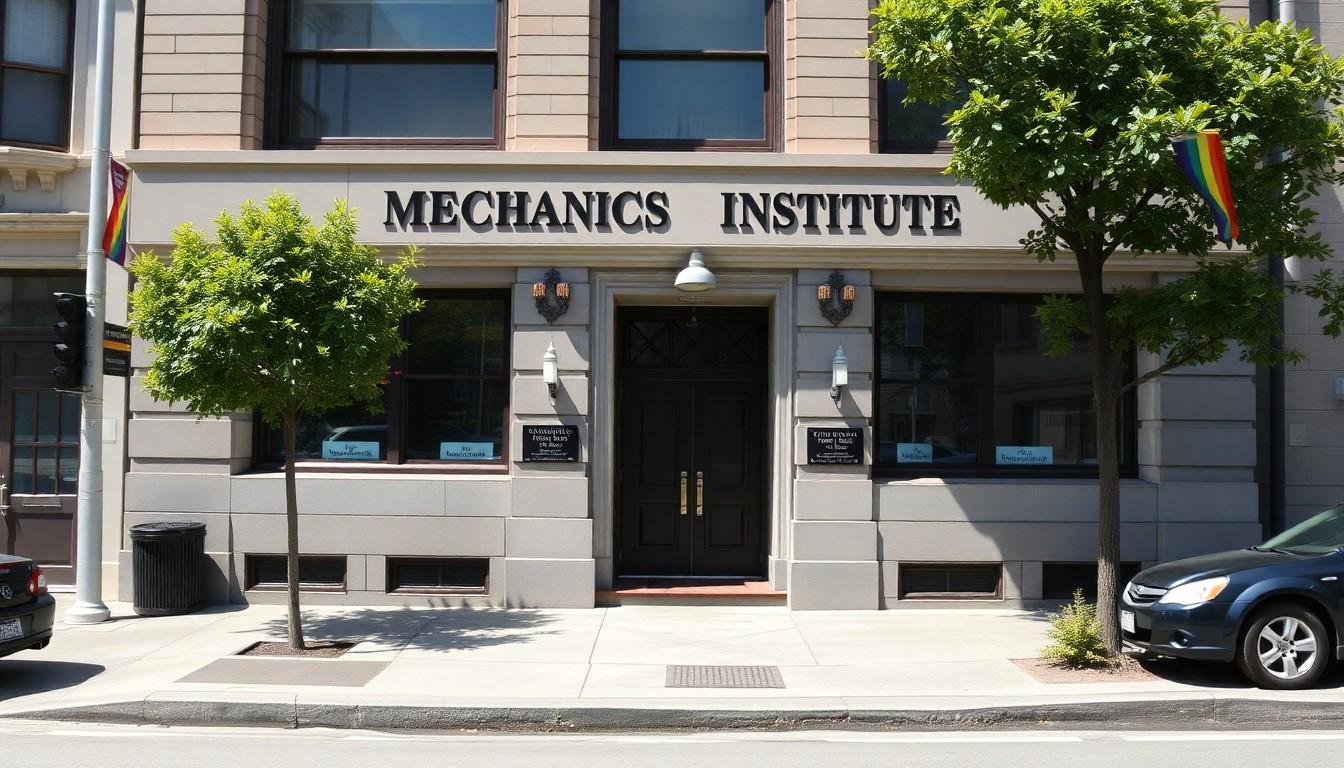
Discover a rare, growing archive of queer-friendly children’s books at the Mechanics’ Institute , who collected what, why it matters, and how families and researchers can access this important slice of publishing history.
Essential Takeaways
- Collection size: Over 200 LGBTQ+ children’s titles spanning 1969–2023, now housed at the Mechanics’ Institute.
- Notable titles: Early favourites like Lots of Mommies sit alongside modern staples such as And Tango Makes Three.
- Cultural scope: The archive traces shifts from activist, self-published works to identity-focused titles by professional children’s authors.
- Access: Digitised records are searchable online; in-person reading requires an appointment in the Institute’s research spaces.
- Why it matters: These books document queer family-making and childhood perspectives often absent from mainstream archives.
A treasure trove of queer kids’ books, and it smells faintly of old paper and possibility
The Mechanics’ Institute in San Francisco has quietly become home to something joyful and important: a dedicated collection of LGBTQ+ children’s literature stretching back more than half a century. The books have a lived-in, activist lineage , early volumes often feel handmade or small-press in spirit, while newer books look and read like mainstream children’s publishing, but with different problems and voices centre-stage. For anyone who loves the tactile pleasure of a picture book, the collection is both comforting and revealing.
How one collector’s bedtime habits turned into a public archive
The cache was donated by Randall Tarpey-Schwed, who began collecting titles to read to his own children and later sought a permanent home for the materials. The Mechanics’ Institute felt natural: it’s a member-supported, independent library with deep Californian roots and a history of preserving regional culture. According to the Institute’s archivist and library manager, the collection fills a gap , other San Francisco archives focus heavily on adult LGBTQ+ political history, while this one highlights family-making and childhood narratives.
Early books were often grassroots , expect rawness and honesty
Many of the older entries came from small feminist presses or were self-published, which explains the rough-hewn charm you’ll find in some stories. Works from the 1970s and 80s sometimes tackle family structure or illness in a blunt way because they were written by parents and activists who needed language that simply didn’t exist in mainstream publishing. That directness can feel sharp today, but it also serves as a powerful historical record of how queer families presented themselves before wide cultural recognition.
Then and now: how representation evolved from parents to kids exploring identity
Where older volumes centre parents , same-sex couples caring for children , contemporary titles are more likely to follow kids as they negotiate gender and sexuality themselves. The shift reflects broader changes in publishing, social organising, and child-development awareness. You’ll find earlier stories treating non-traditional families as an argument; newer books treat them as ordinary. That progression is useful if you’re researching social change, schooling, or simply picking a picture book that feels affirming for a specific child.
Standouts and why they matter , from interracial families to destigmatising illness
The collection includes titles that reach beyond sexual orientation to show intersections: picture books that normalise interracial families, and sensitive works that address HIV/AIDS from a child’s perspective. These titles are historically significant because they broaden our sense of what queer children’s literature can do , not only reflect family forms, but also help children process illness, race, and belonging. For parents, teachers, or librarians, seeing those threads collected together offers a quick lesson in how representation expanded across topics, not just characters.
How to use the archive , practical tips for families, teachers and researchers
You can browse a bespoke online discovery tool to see records and digitised elements; the Institute’s public webpages list access policies and events connected to the collection. If you want to read a book in person, plan ahead and book an appointment at the reading room. For teachers preparing a classroom read-aloud, check publication details and edition notes in advance; older copies may reflect period language or illustration styles that need context for young listeners. And if you can’t visit, contact the Institute about research requests or potential digitisation help.
It's a small but mighty cultural investment , and a reminder that the stories we read to children shape what they imagine as possible.
Source Reference Map
Story idea inspired by: [1]
Sources by paragraph: