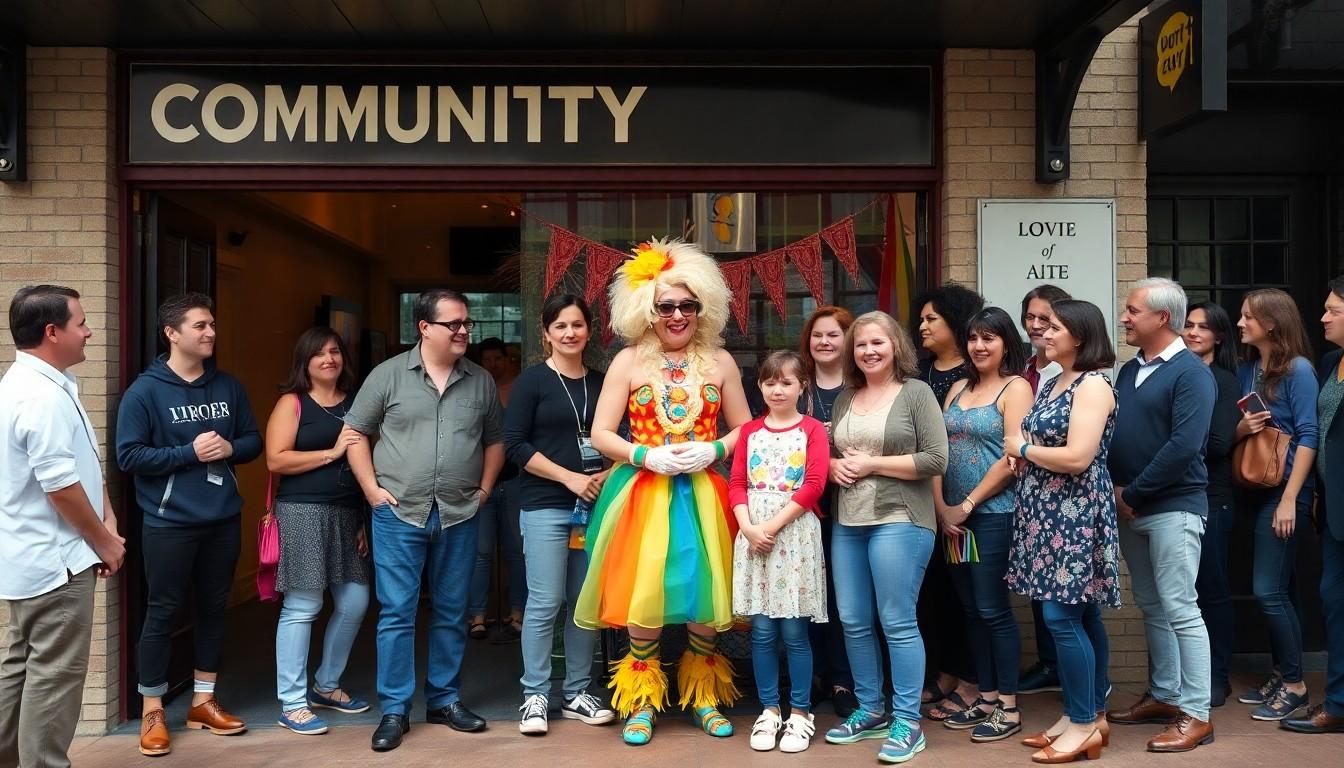
Shoppers and nightlife lovers are flocking to Lucy Couture’s Messy Mondays in St Louis , a weekly drag show that doubles as community-building, activism, and pure, silly fun. Here’s why locals call it the best drag night for inclusivity, laughs, and authentic crowdwork.
Essential Takeaways
- Weekly favourite: Messy Mondays runs every Monday at 8pm and has become a reliable, popular show with a warm, lively vibe.
- Inclusive booking: Lucy curates diverse performers , masc-presenting, cis women in drag, and flamboyant queens , and the pageant she founded has no gender restrictions.
- Safe-space focus: Beyond the slogan, Lucy actively shapes shows so lesbians, Black audience members and allies feel seen and welcome.
- Crowdwork superpower: Her intimate, playful interactions make attendees feel individually noticed , expect hugs, cheeky banter, and mozzarella-stick diplomacy.
- Community impact: Lucy’s Gay Heartthrob pageant raises funds for Pride St. Louis and seeks to eliminate pageant rigging and gatekeeping.
Why Messy Mondays feels like your friend’s living-room party
Walk into Rehab on a rainy Monday and you’ll feel it immediately: a small room, close tables, a buzz of conversation and performers casually mingling with the crowd. It’s far from a staged, polished theatre night , it’s warm and slightly chaotic in the best way, with the host hopping on stage mid-conversation like she’s continuing one long joke.
Lucy’s approach is deliberately low-friction. She doesn’t need dramatic entrances to command attention; instead she relies on razor-sharp crowdwork and little theatrical moments , a periwinkle cape here, a cheeky wink there. If you like shows where the performer is as attentive to the barstool next to you as the spotlight, this is it.
From a dare to a duty: the backstory that shaped the shows
Lucy’s drag career began in community theatre and old-school DIY glamour , think Goodwill finds and bathtub-dyed dresses , and it evolved quickly after returning to St Louis. The wider conversations about racial justice pushed her to think more intersectionally, which fed directly into the kinds of spaces she wanted to create.
Her pageant, Gay Heartthrob, reflects that shift: no gender restrictions, an emphasis on elevating underrepresented performers, and fundraising for local advocacy. So while the shows are funny and sometimes silly, there’s an underlying seriousness about safety, fairness and visibility.
How inclusion actually works at Lucy’s events
“Safe space” can be a buzzword, but Lucy treats it like practice, not a poster. She watches who’s onstage, who’s in the crowd, and how jokes land. That means actively seeking diversity in casting and making sure new performers feel the judging is fair , a response to widespread pageant rigging and backstage politics.
Practical tip: if you’re a first-timer or a performer feeling nervous, Lucy’s shows are a good place to test material , the crowd is forgiving, loud and quick to cheer. If you organise events, notice how minor adjustments , inclusive casting, transparent judging, and visible allyship , change the atmosphere.
The performance mix: glamour, parody and straight-up chaos
Expect variety. Lucy will move from a Bachelorette-ready ballgown to a Grinch-adjacent gag in the same evening. Supporting acts run the gamut: high-kick queens, 60s-suited kings, comedic bits that intentionally trip over their own choreography. That mix keeps the energy unpredictable and entertaining.
For audience members who prefer polished production, this intimate format might feel rougher around the edges, but that’s part of the charm. The honesty and occasional imperfection make the laughs bigger and the moments of tenderness truer.
Why the crowdwork matters , and how it builds community
Lucy’s standout skill isn’t a perfect split or vocal chops; it’s the way she treats each person like part of the show. She thanks people when she takes tips, digs into playful insults with friends in the crowd, and even stages tiny rituals , separate applause for straight allies, a collective call-and-response for the queer folks.
That generosity creates a loop: performers feel supported, audiences feel safe to be silly, and new faces return. It’s community-building disguised as entertainment, and it’s why people book on their calendars months ahead.
It’s a small change that can make every night feel like home.
Source Reference Map
Story idea inspired by: [1]
Sources by paragraph: