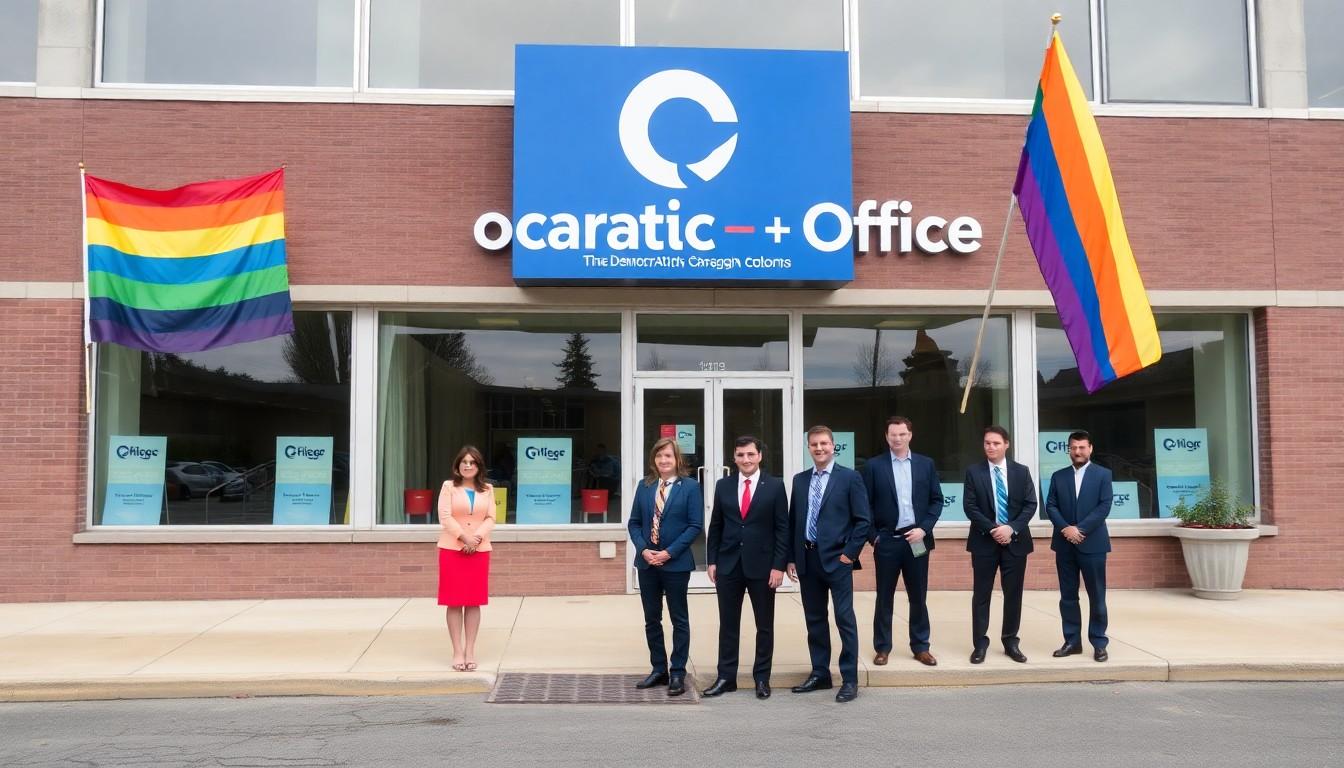
Watch how Democrats in battleground states are recalibrating their language on trans athletes , and why it matters for voters, campaigns and queer communities in 2026. This piece looks at Ohio’s fraught moment, what worked elsewhere, and practical ways candidates can speak about fairness, safety and rights without alienating supporters.
Essential Takeaways
- Quick fallout: The U.S. Supreme Court decision letting states ban trans athletes landed fast in campaigns, prompting near-immediate, similar statements from rivals in Ohio that left LGBTQ+ advocates unsettled.
- Political tightrope: Many Democrats are trying to balance voters’ discomfort about trans athletes with broad support for nondiscrimination , messaging missteps can cost enthusiasm and grassroots support.
- What’s working: Successful Democrats frame the issue around fairness, local governance and protecting kids from political attacks rather than using divisive language.
- Practical fix: Clear, empathic statements that commit to protecting LGBTQ+ rights while acknowledging concerns about competitive fairness tend to land better with swing voters and activists.
- High stakes locally: In states like Ohio, Georgia, Wisconsin, Nevada and Iowa, governors’ positions matter for whether anti-trans bills become law or are vetoed.
Opening hook: why Ohio matters and how a few words shifted everything The Supreme Court’s ruling that state bans on trans athletes can stand rippled through state races almost immediately, and Ohio’s governor’s contest showed how a single public line can spark real damage. When two competing candidates , one Republican, one Democrat , used the same blunt phrasing about “boys in girls’ sports,” it left LGBTQ+ leaders and many Democratic activists feeling betrayed, frustrated and uncertain about backing their party’s nominee. That sting is part practical politics, part emotional: language misgendering trans people lands as a gut punch for families and activists who expect better from allies.
Backstory: what happened in Ohio and why the LGBTQ+ community pushed back Dr Amy Acton, once widely embraced by Ohio queer groups, released a short statement that echoed right‑wing talking points. Equality Ohio moved Acton’s candidate rating to “pending,” saying the group wanted accountability before restoring support. The backlash wasn’t just semantic , organisers worried donors, volunteers and volunteers-in-chief would pull back, depriving the campaign of the boots-on-the-ground energy it needs in a tight race. The episode also highlighted a deeper scramble inside the Democratic Party: how to respond to anti‑trans attacks without ceding the language or alienating persuadable voters.
A playbook forming in other swing states Not every Democrat has leaned into that blunt phrasing. In Georgia, Keisha Lance Bottoms has steered voters toward the idea that athletic governing bodies , not politicians , should decide eligibility, and that medical decisions belong between patients and doctors. In Iowa and Wisconsin, candidates have emphasised civil‑rights protections while also acknowledging people’s concerns about fairness. According to strategists, the common thread of successful messaging is values up front , fairness, protection for kids, and local judgement , rather than a reflexive “no” that sounds like picking on children.
Why this is a hard political problem , and where polls keep you honest Polls show a complex picture: a majority of Americans support nondiscrimination protections for transgender people, but many adults express discomfort with trans athletes in girls’ and women’s sports. That tension gives Republicans a targeting advantage with attack ads, and it forces Democrats into a balancing act. Senior strategists say candidates shouldn’t hide their values; instead they should introduce them early, explain trade‑offs, and present practical policies that respect both fairness in competition and the dignity and safety of trans people.
Practical messaging tips for candidates , short, usable moves that don’t feel hollow
- Lead with your values: say you oppose discrimination and will protect civil rights, then address fairness concerns directly.
- Delegate to experts: say athletic associations, coaches, doctors and parents should be empowered to make nuanced decisions.
- Avoid misgendering language: it alienates core supporters and gives opponents easy soundbites.
- Offer concrete policies: explain whether you’d veto blanket bans, support case‑by‑case rules for youth sports, or back protections for medically treated youth. For campaigns, these moves aren’t just virtue signalling. They preserve activist buy‑in and reduce the chance that volunteers , the people who knock on doors and make quick decisions about where to donate , will look elsewhere.
What’s next: why governors’ offices will matter after the courts Governors can veto harmful bills, shape state education and sports policy, and influence whether civil‑rights protections survive. That makes governor’s races a frontline in the broader fight over LGBTQ+ rights, and it explains why every word from a candidate now gets magnified. If Democrats aim to both win and govern, they’ll need messaging that defends rights, welcomes nuance on fairness, and keeps their base engaged.
Closing line It’s a small shift in tone, but the right words can keep both voters and activists in the tent , and that could decide more than a campaign, it could shape who protects rights in the next term.
Source Reference Map
Story idea inspired by: [1]
Sources by paragraph: