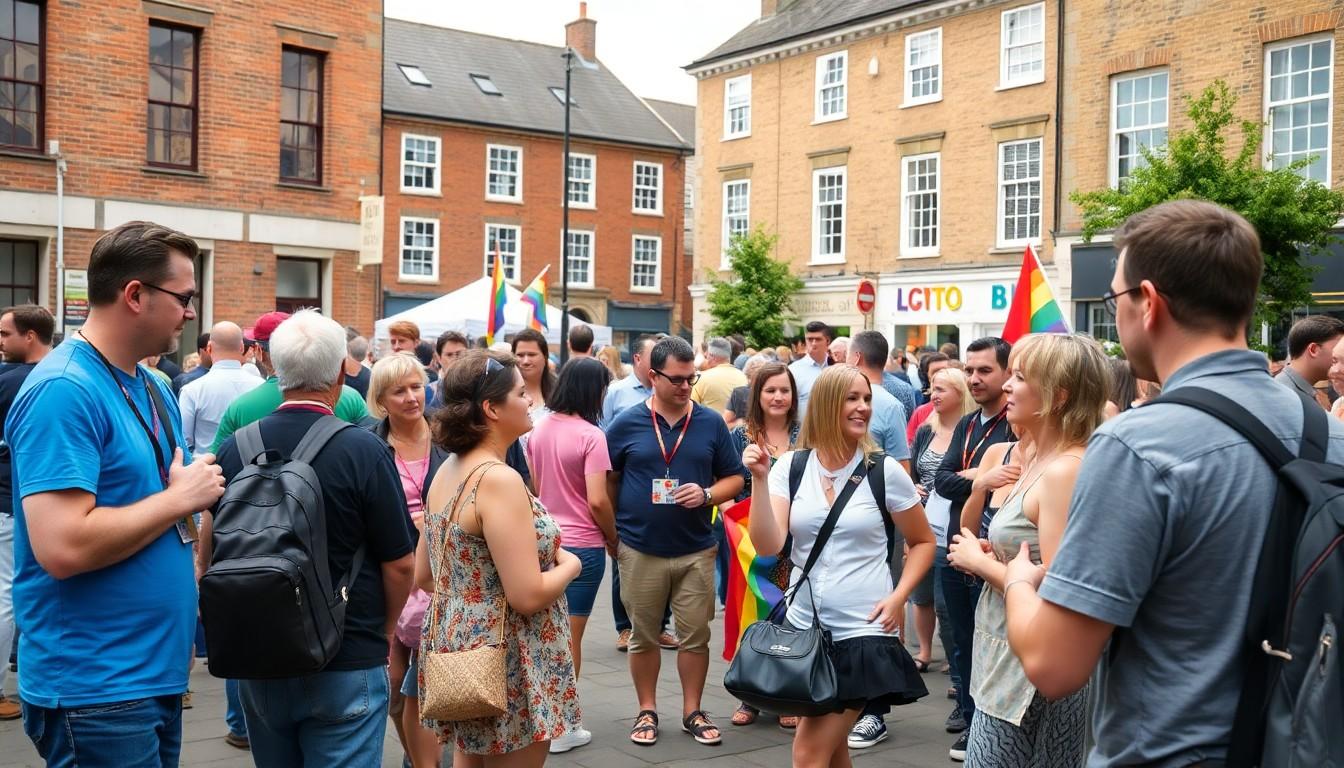
Shoppers and townsfolk are rediscovering local Pride , smaller, friendlier festivals are popping up across the UK as corporate logos recede and community organisers reclaim the parade. Here’s why town-centre Pride events matter, what’s driving the shift, and how to pick a celebration that feels safe, affordable and authentic.
- Smaller scale, bigger heart: Community Prides tend to be cheaper to run, feel family‑centred and often include local bands, brass sections and volunteers rather than arena headliners.
- Less corporate splash: Major firms are pulling back overt Pride branding, which can mean fewer sponsorships but also fewer ticket surcharges and less commercialisation.
- Safety and logistics matter: Even modest events now budget for extra security and stewarding after international incidents raised concerns.
- Political pressure is real: Some councils and public services are stepping back from visible participation, so grassroots funding and donations are increasingly crucial.
- Choose by vibe, not headline act: Look for inclusivity statements, accessibility info, and clear child‑friendly activities when picking which Pride to attend.
Why small-town Prides feel more like home
The clearest thing about community-focused Prides is how intimate they feel , think brass bands, families on folding chairs and neighbours cheering rather than VIP enclosures and corporate stages. That local texture matters: people who grew up somewhere that felt unwelcoming can suddenly watch their town clap for them. Organisers say that pivoting to smaller formats has reconnected Pride to its roots as protest turned celebration, and the result can feel warm, authentic and less transactional.
Those who run these events often rely on local pubs, community groups and volunteers, so costs stay lower and the programme reflects local culture. If you want an easier, more relaxed Pride day out, smaller festivals tend to offer cheaper or no‑fee entry and activities for children, making them genuinely all‑ages.
Why big brands are stepping back , and why that changes things
Over the last few years, corporate Pride posts and logos were everywhere in June; now many companies are visibly quieter. Some firms still donate or run internal inclusion work but are hesitant to attach their branding publicly, concerned about online backlash. That retrenchment cuts a funding lifeline for large-scale Pride concerts and expensive security plans, but it also reduces the feeling that Pride is a marketing exercise.
For communities this means two practical outcomes: fewer big-name headliners and a heavier reliance on grassroots fundraising, trade unions, small businesses and ticket sales. If you care about supporting authentic local LGBTQ+ spaces, consider donating directly to event organisers rather than just buying branded merchandise.
The tricky politics: flags, councils and council halls
Politics now plays into how Prides are funded and who can march. Some councils have removed rainbow flags from civic buildings or withdrawn grants, citing impartiality or changing priorities. Public services such as police and fire brigades have also paused uniformed participation after legal guidance about political neutrality.
That can make organisers scramble to replace lost income and visibility. Yet community resilience has shown through: events have been resourced by volunteers, trade unions and individual donors. When you pick a Pride this year, check whether local authorities are supportive and whether organisers publish an itemised funding plan , it’s a quick way to gauge sustainability and inclusiveness.
Safety has moved up the checklist , what to expect
Organisers of even the smallest gatherings now plan with security in mind. International incidents have prompted many groups to add stewards, metal‑detection checks or redesigned parade routes, which adds cost but protects attendees. Smaller events tend to be less crowded, which can feel safer for trans people and others who have reported anxiety around large, noisy crowds.
Practical advice: look for published safety plans, first‑aid points and quiet spaces. If you or someone you’re with needs support, organisers often list contact details for volunteer welfare teams , worth bookmarking before you go.
Choosing the Pride that suits you
Want relaxed and family friendly? Seek town-centre parades with daytime community programming. After live music and pop acts? Look to city Prides, but expect higher ticket prices and more crowds. If you’re concerned about inclusion, check whether the event explicitly welcomes trans people, provides pronoun guidelines, and has accessibility measures.
Tip: follow local organisers on social channels and read their FAQs. Many list costs, funding partners and safety details up front , and that transparency is a good sign the event is run by people who care about the community, not just a headline.
It's a small change that can make every Pride feel safer, more welcoming and truly local.
Source Reference Map
Story idea inspired by: [1]
Sources by paragraph: