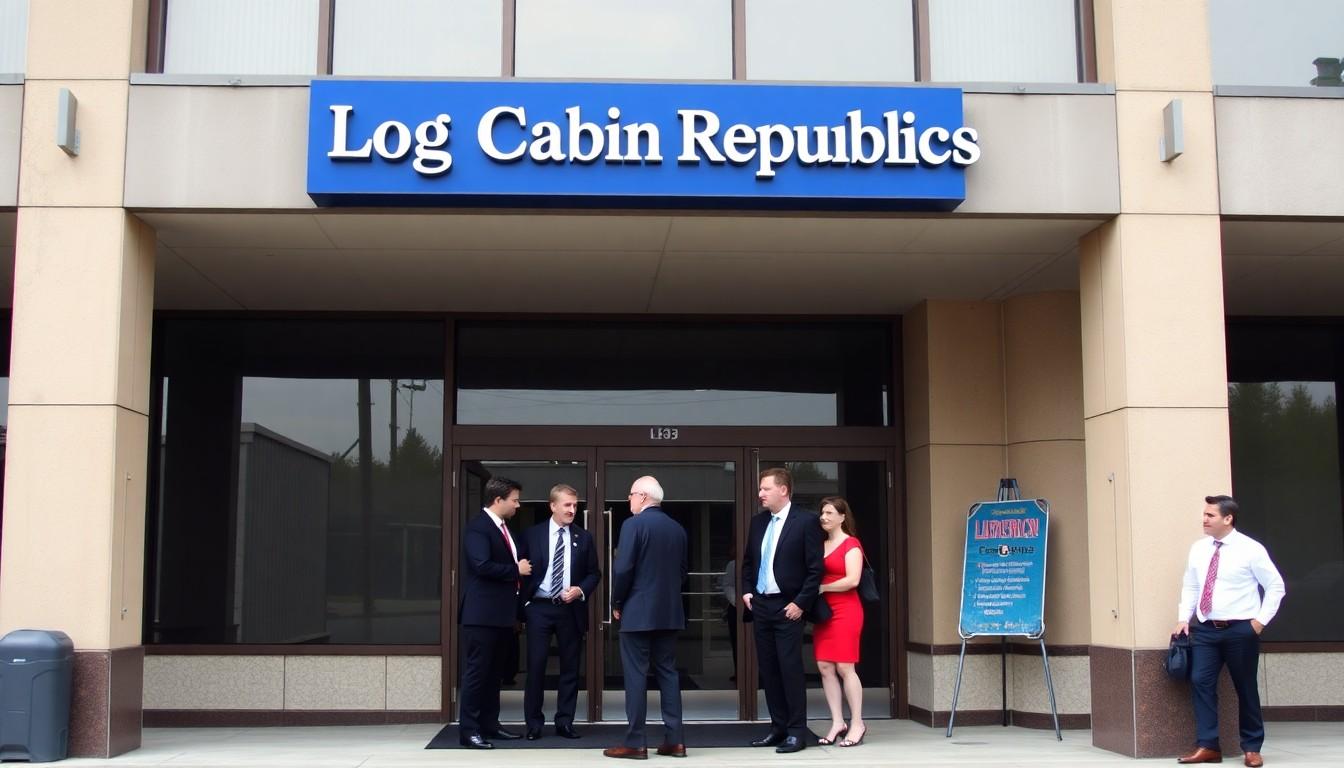
Shoppers of political nuance are noticing a tidy rebrand: Log Cabin Republicans are trimming “T” from their national advocacy, refocusing on sexual orientation and conservative principles , a move that matters for party politics, LGBT representation, and how voters perceive gay rights.
Essential Takeaways
- What changed: Log Cabin Republicans formally removed transgender issues from its national advocacy priorities and returned to an explicitly LGB focus.
- Why now: Leadership framed the shift as a return to the group's founding principles ahead of its 50th anniversary.
- Tone and membership: The organisation says membership remains open to all conservatives, even as its advocacy narrows.
- Practical effect: Policy work will centre on marriage, adoption, military service, nondiscrimination, and religious liberty as tied to sexual orientation.
- Public reaction: The move has sparked disappointment and debate across the political spectrum, with coverage and responses varying by outlet.
It’s a political tidy-up with a loud echo
The sharpest fact: the group’s president published an op‑ed explaining the change and the board voted to adopt it. That simple editorial-style announcement lands like a deliberate reset , and it smells faintly of anniversary theatre. According to reporting in national outlets, the organisation framed the decision as reconnecting with what its founders stood for, ahead of 50 years since its launch.
Backstory matters here. Log Cabin Republicans added the “T” to its mission in 2015, and that expansion reflected a wider trend in which LGBT organisations embraced gender identity alongside sexual orientation. Now the group argues that contemporary transgender politics , particularly debates around minors, schools and sport , have shifted public perception and complicated conservative outreach. That’s the account the leadership is giving as motivation.
What they say they’ll champion next
The renewed focus is concrete: marriage equality wins of the past, adoption rights, military service eligibility, nondiscrimination tied to sexual orientation, and religious liberty framed as equal treatment. Those issues are positioned as constitutional, small‑government concerns that align with Republican principles.
For members and observers, this is useful to parse: a narrower advocacy brief means clearer lobbying targets and messages, but it also draws a line in the sand between sexual orientation and gender identity. If you’re weighing support, ask whether you prefer an organisation that lobbies narrowly and strategically, or one that stakes out a broader civil‑rights umbrella.
Membership stays open , but politics change
Leaders emphasised that transgender conservatives aren’t being expelled; people can still belong. It’s a distinction that matters on paper but feels different in practice. Advocacy priorities signal where resources, public statements and legal cases will go, and exclusion from the mission can mean quieter backing when transgender issues arise.
Expect tension: some supporters will welcome a sharpened political focus, while others see the move as a retreat from solidarity at a time when many trans people cite rising legal and social challenges. Reporting across outlets shows reactions split along predictable lines, from guarded approval to sharp criticism.
How this ties into wider political trends
This rebrand isn’t happening in a vacuum. National discourse on gender identity, sports participation, healthcare for minors and school curricula has become a central battleground in American politics. By leaning into a traditional LGB remit, Log Cabin Republicans is betting it can reclaim or reassure voters who’ve grown wary amid those debates.
Observers should watch whether the pivot influences Republican outreach to LGBT voters and whether other advocacy groups follow suit or double down on broader LGBTQ+ advocacy. It’s a tactical gamble: clarity may win some hearts, but critics argue it risks abandoning an already vulnerable community.
Practical advice if you’re following or involved
If you’re a member, supporter, donor, or ally, take three simple steps: read the group’s updated platform, ask leaders how resources will be allocated in practice, and compare execution with rhetoric over the next year. If you care about transgender policy specifically, look to other organisations that still list gender identity among their priorities.
And if you’re a voter trying to make sense of shifting labels, remember: membership rules and public advocacy aren’t the same thing. An organisation can welcome people while choosing different political fights.
It’s a small rewording that may have big political ripple effects.
Source Reference Map
Story idea inspired by: [1]
Sources by paragraph: