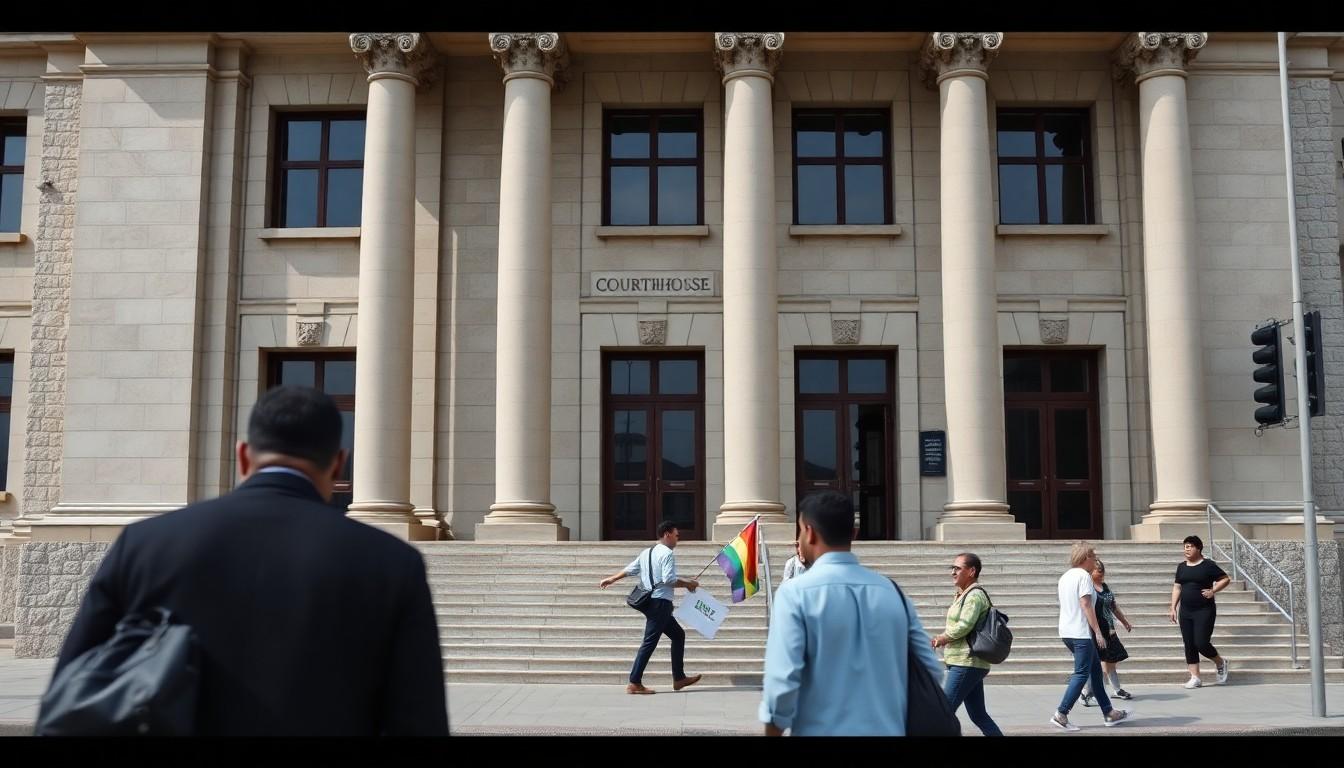
Discover why Bolivia is suddenly on the radar for LGBTQ+ travellers: a landmark court victory, lively city scenes in La Paz and Santa Cruz, and jaw-dropping landscapes, plus practical tips on where to go, what to expect, and how to stay safe while exploring this changing country.
- Historic milestone: Bolivia recorded its first legally recognised same-sex civil marriage in August 2026 after a multi-year court case, a development activists call a major step forward.
- Mixed legal picture: The constitutional tribunal’s ruling creates precedent, but Bolivia’s 2009 Constitution still uses traditional marriage language, so national legislation hasn’t fully caught up.
- City contrasts: La Paz offers grassroots queer activism and high-altitude culture, while Santa Cruz feels more relaxed and was the site of the landmark wedding.
- Practical vibe: Expect modest but genuine LGBTQ+ scenes, mild scents of street food and festival colour, varied social acceptance, and sturdy travel infrastructure in urban centres.
- Safety basics: Be discreet in conservative areas, use reputable transport, watch for street crime, and carry identity documents if you’re trans.
A legal landmark that changes the conversation
Bolivia’s first legally recognised same-sex civil marriage in August 2026 is the sort of headline that catches attention for a reason: it came after four years of litigation and a constitutional tribunal ruling earlier that year. Human Rights Watch and other rights groups called the decision historic and forward‑leaning for Bolivia’s LGBTQ+ community. The ruling doesn’t automatically rewrite the constitution, but it creates a real-life precedent that could help other couples push for recognition.
Behind the ceremonial photos and celebration, this was a courtroom victory as much as a wedding. Activists say it’s symbolic and strategic, a legal crack in a framework that still features conservative language about marriage. For travellers, that means the country is moving , just not finishing its journey to full equality yet.
La Paz: high-altitude activism and culture
La Paz is where you’ll feel Bolivia’s queer community and civil-society energy most strongly. The city houses long-established groups that have been organising since the 1990s, and municipal services now include a Unidad de Diversidades Sexuales offering social support. Expect a compact queer scene, cultural events, colourful markets and a quiet, slightly spicy street-food smell that greets you on market mornings.
It’s also the political centre, so protests and road blockades can pop up and disrupt plans. Plan extra time for transfers, keep tabs on local news, and enjoy the city’s museums, cable cars and nightlife with a healthy dose of curiosity.
Santa Cruz: where the wedding happened , and why it matters
Santa Cruz de la Sierra is the country’s tropical, cosmopolitan counterpoint and the city where the first civil same-sex marriage was recorded. Locals describe it as more socially liberal than many Altiplano towns, and it has a modest but visible queer nightlife and friendly cafés.
For travellers, Santa Cruz makes a comfortable base: warmer weather, green landscapes and good connections to eastern Bolivia. It’s a place where holding hands in a central district feels more normal, though discretion still helps outside urban zones. The wedding’s location matters because it highlights regional variation in acceptance across Bolivia.
Queer history you won’t find on a postcard
Bolivian queer visibility predates modern Pride. Carnival traditions produced trans and gender-defying figures like La China Morena and performers such as Ofelia and Barbarella, whose daring acts became part of political theatre decades ago. Researchers now point to those stories as reminders that Bolivia’s queer culture has deep, local roots rather than being an imported phenomenon.
Modern Pride started growing in the late 1990s and early 2000s, sometimes in difficult circumstances , early marchers wore masks out of fear. That history explains why contemporary acceptance can feel uneven: there’s resilience, yes, but also a legacy of caution.
Practical travel tips for LGBTQ+ visitors
Treat Bolivia like any emerging queer destination: excited curiosity, plus sensible caution. Use reputable taxis and ride-hailing where available, don’t leave drinks unattended in nightlife spots, and avoid unofficial cabs late at night. Petty theft happens in tourist hubs, so secure your belongings and keep backups of important documents.
If you’re trans, carry copies of identity paperwork. Bolivia’s 2016 Gender Identity Law allows legal changes, but bureaucratic and social hurdles persist. And be mindful of public displays in rural or conservative areas , holding hands in a downtown plaza may be fine, but by the time you’re in small villages it’s smarter to be discreet.
What to see beyond the rainbow
Bolivia remains a travel dream for landscapes: the mirror-bright Salar de Uyuni, the high waters of Lake Titicaca, colonial Sucre and Potosí’s silver history, plus Amazon biodiversity. For queer travellers who prefer culture and scenery to clubbing, Bolivia offers an experience that’s more intimate than the big Latin American queer hubs , less packaged, more discovery.
Mix city time with a few days among the salt flats or in the Amazonian lowlands and you’ll get the full contrast that defines the country.
It's a small change that can make every visit more meaningful and safer, plan carefully, travel curiously, and enjoy the country’s big skies.
Source Reference Map
Story idea inspired by: [1]
Sources by paragraph: