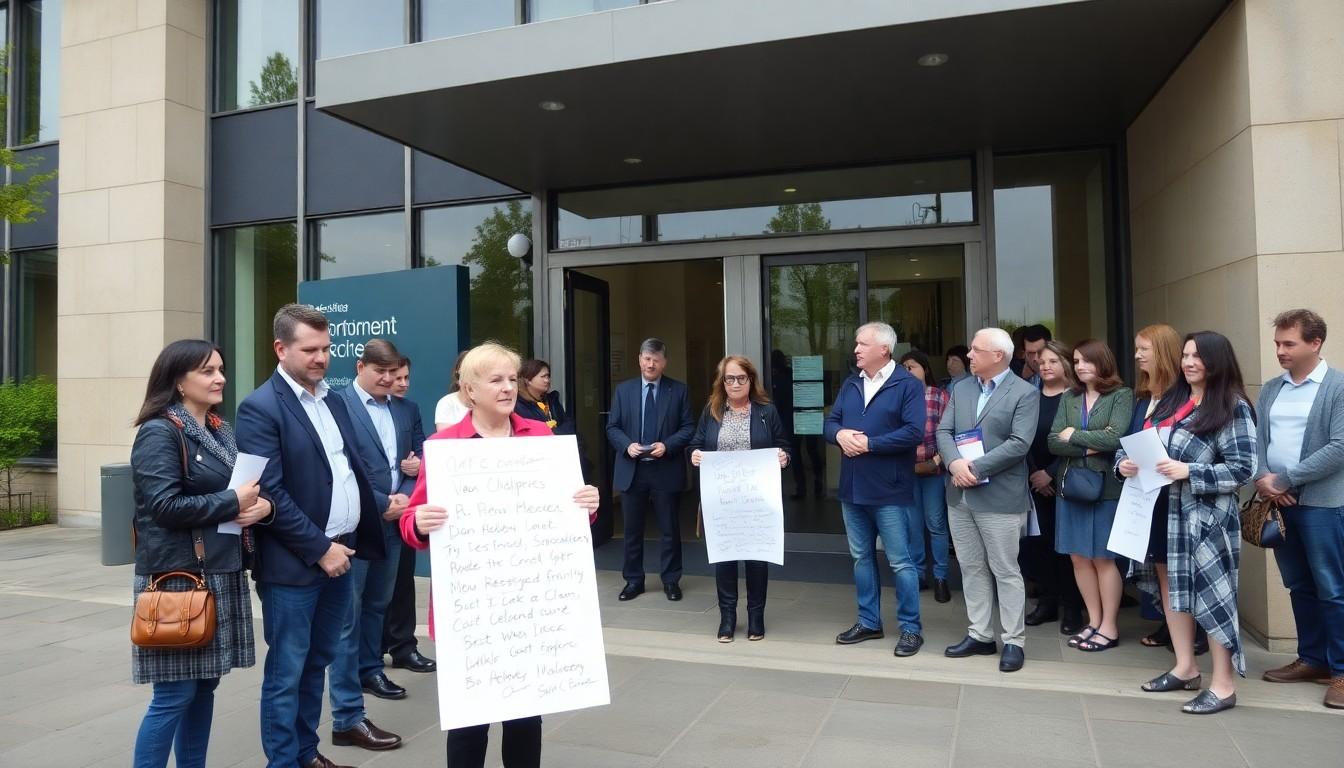
Shoppers for justice and older activists are pushing again: campaigners have collected tens of thousands of signatures calling for a public inquiry into Section 28, but the UK government has refused , leaving survivors seeking a formal apology, a record of harm and recognition for long-term impact.
Essential Takeaways
- Petition momentum: A parliamentary petition asking for a public inquiry passed 10,000 signatures quickly and has gathered more than 26,000 signatures to date.
- Government stance: The UK government replied on 18 August, saying a public inquiry is not the right approach, while recognising Section 28's significant impact.
- Campaigner action: The Section 28 Justice Coalition continues collecting testimonies via its "Dear Section 28" project and is backing a feature documentary, Don’t Say Gay.
- Legacy remains: Section 28, introduced in 1988 and repealed in the early 2000s, is blamed for creating a hostile environment that affected LGBTQ+ young people and school staff.
- Practical next steps: The petition stays open until 24 September 2026 and campaigners plan to keep lobbying, collecting evidence and seeking a formal apology.
Why campaigners want a public inquiry now
The strongest line here is simple: survivors want official reckoning and records, not just sympathy. The Section 28 Justice Coalition argues that the law created a "very hostile environment" for queer pupils and teachers, and they’ve been gathering witness accounts to prove it matters today. According to campaign updates, those testimonies form part of a broader attempt to establish the cultural damage , and to preserve stories before they're lost.
There’s a wider impulse behind the move, too. Public inquiries are seen as tools that can compel documents, summon witnesses and produce formal recommendations. For people who lived through the law, that feels like a route to institutional recognition and, perhaps, a formal apology.
What the government actually said , and what it didn’t
The government’s reply, issued on 18 August, acknowledged the significant impact Section 28 had on those affected but stated that a public inquiry was not the right approach. That response came 67 days after the petition reached the 10,000-signature threshold, longer than the 21 days campaigners expected.
Critics say the answer sidesteps the heart of the petition: independent scrutiny of how the law shaped education, social services and attitudes over decades. The government's broader guidance on public inquiries explains thresholds and criteria, which officials appear to have weighed in dismissing a standalone inquiry.
The history they want examined
Section 28 dates from 1988 under Margaret Thatcher’s government and specifically barred local authorities from “promoting homosexuality.” It stayed on the statute book until Scotland repealed it in 2000 and England and Wales followed in 2003. Campaigners and many commentators point out that the social effects , fear, isolation, and reduced support , lingered long after repeal.
This is part history lesson, part lived experience: older LGBTQ+ people say the law shaped what teachers felt able to discuss in classrooms and what youngsters felt safe saying about themselves. Those lived stories are precisely why groups like the Section 28 Justice Coalition are collecting testimony and supporting films to document the legacy.
How campaigners are keeping the pressure up
Refusal of an inquiry hasn’t closed the door. The coalition founded in February 2026 is pushing on multiple fronts: a live petition on the parliamentary website, the Dear Section 28 testimony archive, and backing a feature documentary, Don’t Say Gay, to keep the record visible.
Tactically, campaigners are urging supporters to keep signing and sharing the petition , it remains open until 24 September 2026 , while building evidence that could be used in parliamentary debates or local-level reviews. Those kinds of grassroots records can shift public opinion and, eventually, policy.
What a public inquiry could change , and what to watch next
An inquiry could produce formal findings, recommend reparative steps such as apologies or educational reforms, and ensure archives of testimony and documents. Without it, survivors risk only fragmented recognition through media stories and academic research.
For now, watch how MPs respond to constituency pressure, whether select committees take up the topic, and how documentary and testimony projects shape public understanding. Campaigners say they won’t be satisfied without formal recognition; that persistence could yet move ministers or spark other official investigations.
It's a small change that can make every testimony count.
Source Reference Map
Story idea inspired by: [1]
Sources by paragraph: