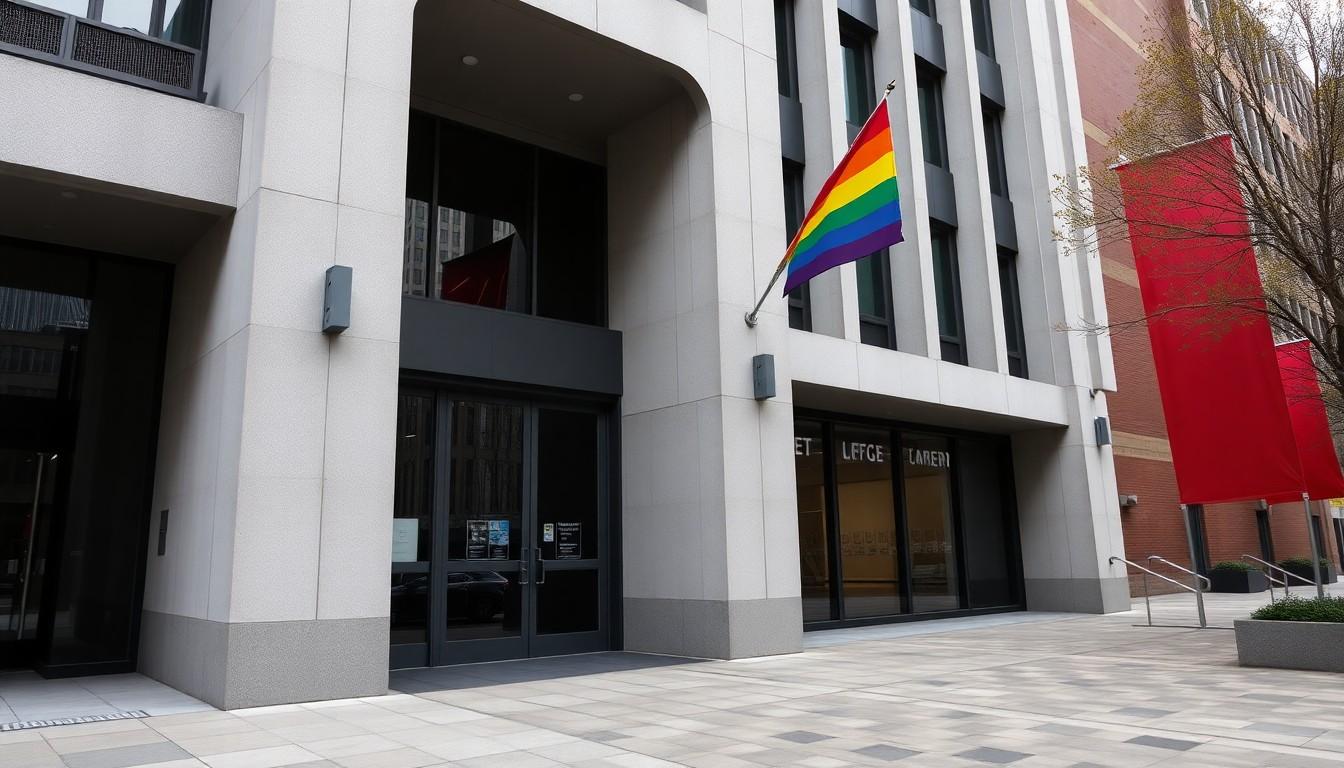
Shocked observers and advocacy groups are pushing back after the NSW Government rejected Justice Sackar’s key recommendation to broaden hate‑speech protections; the decision leaves many communities exposed and raises a simple question , why are only some people deemed worthy of legal safety?
Essential Takeaways
- Recommendation rejected: The NSW Government declined Justice Sackar’s core suggestion to expand the incitement‑to‑hatred offence to cover religion, sexual orientation, gender identity, sex characteristics, HIV/AIDS status and disability.
- Existing law limited: Currently only racial incitement is criminalised, creating a two‑tier protection model that many say favours some groups over others.
- Government rationale: Officials cited freedom of expression, consistency of application and freedom of religion as reasons for not expanding the law.
- Civil society reaction: Equality Australia and the Justice and Equity Centre criticised the move, saying it leaves LGBTIQ+ people and other vulnerable groups without parity of protection.
- Practical effect: Critics note religious freedom doesn’t extend to speech that makes people fear for their safety; targeted communities remain at risk of harassment and intimidation.
What was in Justice Sackar’s report, and why it mattered
Sackar’s review was commissioned after the Minns Government introduced criminal penalties for inciting racial hatred, and it looked squarely at whether that protection should be broadened. The report, delivered on time, argued that vulnerable groups deserve equal treatment under criminal law. That conclusion feels intuitively right: if harm is the same, the law should respond the same way. The document drew on submissions from bodies such as the Justice and Equity Centre, which urged protections be extended beyond race.
Why the NSW Government said no , and why critics aren’t convinced
The Attorney General’s office framed the decision around three linked concerns: freedom of expression, consistent application of criminal law, and freedom of religion. On paper those are serious questions, but opponents point out a key inconsistency , NSW already criminalises incitement of racial hatred, so the state has already drawn a line on expression. Critics argue the real inconsistency is keeping certain groups off the map and leaving them exposed to the same harms that prompted the law in the first place.
Freedom of religion versus safety , where’s the line?
Some faith groups warned the expansion would impinge on religious practice, and the government said exemptions might be necessary. But legal experts and advocates say freedom of religion is not absolute and doesn’t protect speech that causes others to fear for their safety. The statutory threshold for the offence involves a reasonable person fearing harassment, intimidation or violence , a test aimed at genuine harm, not theological debate. That balance matters: you can protect the right to worship while still preventing targeted, fear‑inducing abuse.
Real life stakes , who’s left vulnerable and why it matters
This isn’t just a debate about legal theory; it’s about people who face threats and abuse on streets, online and in workplaces. LGBTIQ+ people, people with disability and those living with HIV already report high levels of targeted hostility. Advocacy groups warn the government’s refusal to act sends a message that some communities’ safety can be lower priority. For victims, the difference between a civil remedy and a criminal offence can mean access to stronger deterrents and clearer social condemnation.
How this could be fixed , practical next steps for policymakers
There are pragmatic ways to broaden protections while addressing the government’s concerns. Legislators could draft narrowly targeted offences that require intent and a clear, reasonable‑person harms test, and include carefully drawn exemptions to protect legitimate religious practice without sheltering abuse. Independent guidance for courts and community education campaigns would help ensure consistency in application. Ultimately, equal protection under the law is about clarity and courage , making the law say what the government already claims to believe.
It's a small change in wording that could make a huge difference in who gets to feel safe in public and online.
Source Reference Map
Story idea inspired by: [1]
Sources by paragraph: