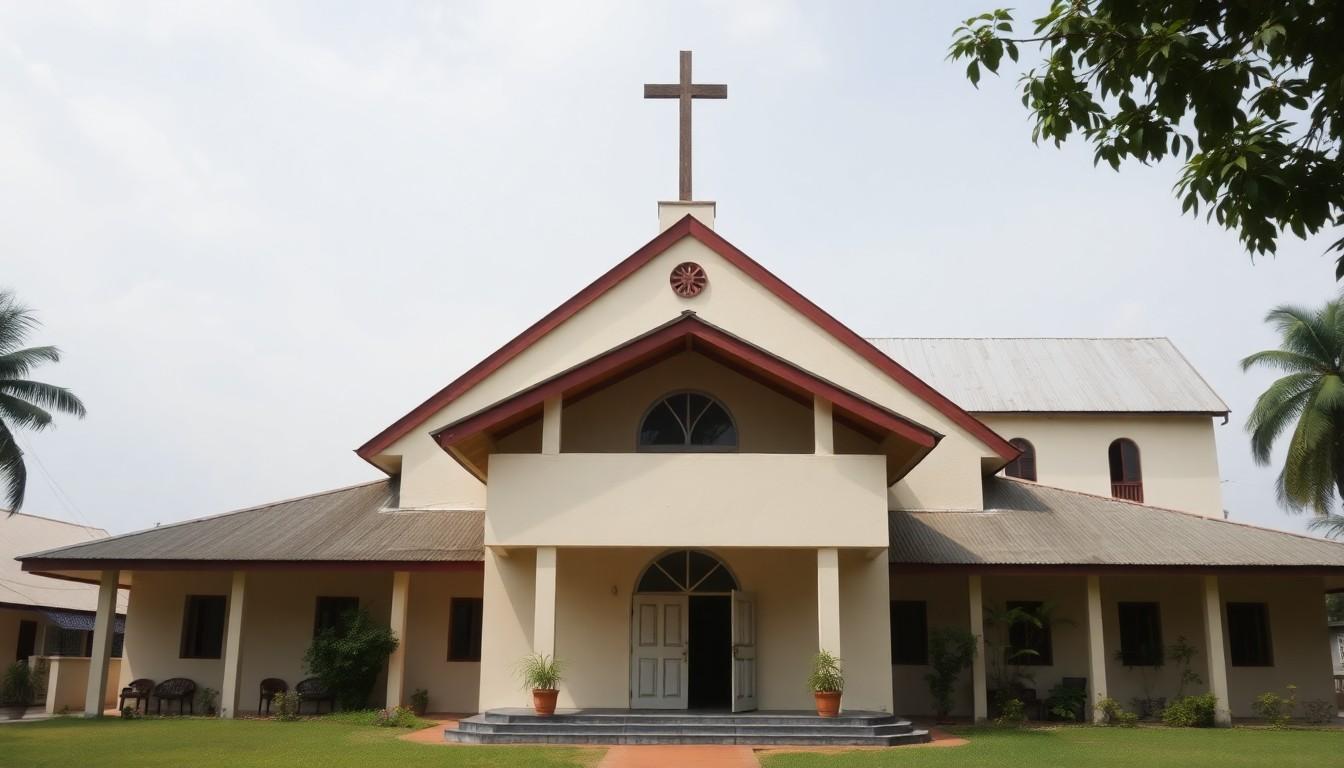
Shocking many, Ghana’s Anglican archbishop has publicly opposed tougher anti-LGBTQ+ laws , a rare religious rebuke that matters for rights, politics and everyday safety across the country. Here’s what he said, why it matters, and practical ways supporters and concerned citizens can respond.
Essential Takeaways
- Clear dissent: The Anglican Archbishop of Ghana said his province does not support criminalising gay people, while maintaining traditional beliefs.
- Scope of the bill: The proposed law would criminalise identifying as LGBTQ+, promote a duty to report, and punish allies , with narrow media, legal and healthcare exemptions.
- Risk to communities: Human Rights Watch and others warn the bill could encourage surveillance, endanger lives and increase social stigma.
- Political pressure: Religious leaders are publicly lobbying for the law, and the president has yet to sign it.
- Practical actions: Legal, advocacy and safety steps can help protect LGBTQ+ people and allies on the ground.
A surprising voice from the pulpit , what the archbishop said
Archbishop Cyril Kobina Ben-Smith told the BBC that while the Anglican Church in Ghana maintains a traditional view of marriage, it does not support criminalising gay people. His tone was measured and quietly human , he said LGBTQ+ people are “all children of God” and that the community has long coexisted in Ghana. That public break with the hardline push is notable in a country where religious opinion carries real political weight.
Context matters: the archbishop isn’t endorsing same-sex relationships, but his stance reframes the debate from moral condemnation to protection from criminal punishment. It’s the kind of language that can shift public sentiment, gradually nudging officials and neighbours toward less punitive responses.
What the new law would actually do , why advocates are alarmed
The draft bill goes beyond punishing sexual acts; it would criminalise the simple act of identifying as LGBTQ+ and make promoting such identities an offence. It even adds a duty to report suspected LGBTQ+ people, and puts allies at risk of imprisonment. Exemptions for legal, media and healthcare workers are narrow and largely procedural.
Human Rights Watch and other organisations argue this framework encourages citizens to surveil and denounce one another , a recipe for fear, blackmail and violence. When the state invites reporting and criminalisation, communities become less safe and more secretive, with knock-on mental-health and social harms.
Politics, religion and pressure , how the bill reached this point
Parliamentary sponsors say the measure protects cultural and family values, and they’ve sought to make existing colonial-era laws “more robust.” Religious leaders have been vocal in urging the president to sign the bill, and that pressure is playing out publicly. At the same time, the Anglican leader’s objection signals a fracture in what might otherwise appear as unified religious backing.
If the president delays or refuses to sign, it opens room for legal challenges, public debate and international scrutiny. Conversely, a quick assent could trigger immediate legal peril for thousands of people and diplomatic fallout.
What people can do now , practical steps for supporters and safety
If you’re in Ghana or part of the diaspora, small but concrete actions matter. Support local LGBTQ+ organisations with donations or skills , they’re often providing legal aid, counselling and safe housing. If you’re a journalist or professional, insist on careful language and protect sources. Healthcare and legal workers should document cases now to build records for future challenges.
For worried individuals, safety planning is vital: update privacy settings, limit sharing of sensitive personal information, and establish trusted contacts. If you’re an ally, consider community-based support rather than public campaigning that could put people at risk in a hostile environment.
Why the archbishop’s stance could matter beyond headlines
Religious leaders shape not just beliefs but behaviour, and a dissenting voice from a major church can reduce stigma at grassroots level. Even if the law proceeds, his words offer moral cover for families and communities to resist punitive steps against loved ones. It’s a reminder that legal change isn’t only about statutes , it’s about how neighbours, congregations and officials choose to treat each other.
So there’s reason for cautious optimism: public moral disagreement with criminalisation can soften the ground for later legal and social protections. But the immediate dangers remain real, and vigilance is essential.
It's a small shift in tone that might make a big difference for safety and dignity on the ground.
Source Reference Map
Story idea inspired by: [1]
Sources by paragraph: