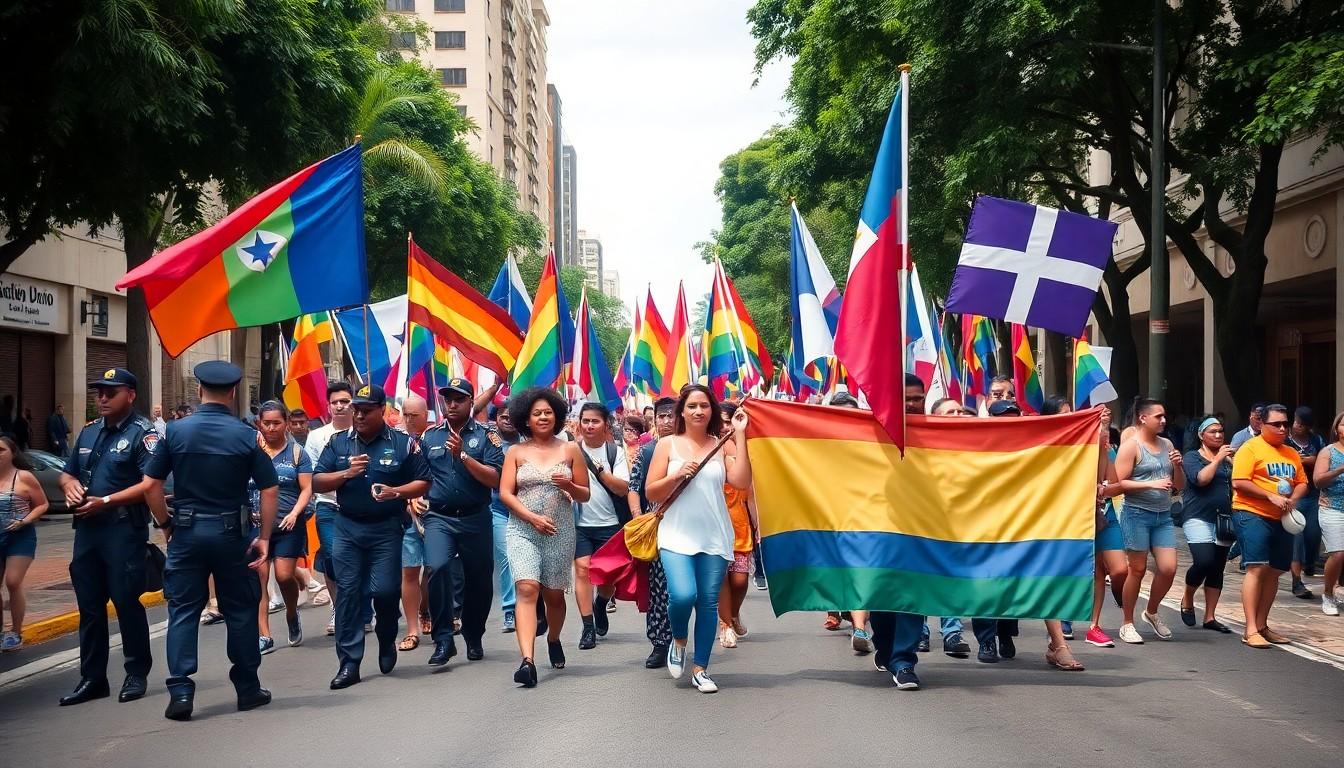
Shoppers and citizens watched as hundreds of LGBTIQ+ people and allies brought colour and music to Santo Domingo on Sunday, in a lively Pride caravan that promoted visibility, rights and inclusion across the capital. The event mattered because it turned streets into stages for respect, community and a call for justice.
Essential Takeaways
- Large turnout: Hundreds joined the 19th Pride Caravan, waving flags and chanting for inclusion.
- Route and rhythm: The procession began at Don Diego Terminal in the Colonial City and passed through key districts before reaching the Malecón.
- Organisers: The Friends Always Friends Volunteer Network (REVASA) led the march, focusing on visibility and rights.
- Security presence: National Police accompanied the route, keeping the event orderly.
- Mix of joy and demands: Celebration blended with calls for respect, justice and protection for LGBTIQ+ people.
A colourful, loud march that stopped the city and turned heads
The strongest image from the day was the stream of flags, music and chants that threaded its way from the Colonial City to the sea, a joyful splash against the city’s stone and surf. Participants leaned into performance , loud speakers, dancers, banners , and the atmosphere felt like a block party with purpose. Organisers and onlookers said that visibility itself remains a form of protection, a reminder that the community will not be erased.
According to local reporting, the caravan’s route was carefully planned to pass through neighbourhoods that often miss national attention, so the march doubled as outreach. For residents along the way it was a surprise spectacle; for participants it was a statement that Pride belongs on every street.
Why REVASA and the 19th edition matter now
The Friends Always Friends Volunteer Network (REVASA) has anchored the event, and its continued stewardship signals a maturing movement that balances celebration with organised demands. REVASA framed the caravan around respect, inclusion and defending rights , themes that feel urgent amid regional conversations about safety and legal protections.
Community groups have increasingly used parades and caravans to push for concrete changes, not just parties. So while the music and colour draw people in, the messaging keeps pressure on institutions to act.
Routes, logistics and the human detail
The procession started at 2:00pm at Don Diego Terminal and passed through Ciudad Nueva, Gazcue, San Carlos, Villa Consuelo, Villa María, Mejoramiento Social, 24 de Abril and Ensanche Espaillat before gathering at the Malecón. That path means the caravan threaded varied districts , commercial hubs, residential blocks and waterfront , making the event highly visible across the city.
National Police provided security along the way, a detail organisers highlighted as necessary for a peaceful march. For anyone planning to attend future caravans: arrive early, wear comfortable shoes, bring water and ear protection if you’re close to speakers.
Celebration and calls for justice went hand in hand
This was not just a fiesta. Coverage from other outlets showed participants raising voices for justice in cases of violence against community members, and demanding accountability. That blend of joy and grievance is familiar in Pride events worldwide , the party is both balm and megaphone.
Community leaders and allies used the platform to remind the public that visibility must convert into protections and policy shifts. Expect future caravans to keep mixing performance with pointed advocacy.
What this means for the wider LGBTIQ+ movement in the Dominican Republic
The steady return of a sizeable caravan for the 19th year suggests endurance: a movement that shows up, year after year, in public spaces. That persistence builds social familiarity and can soften stigma over time, while keeping pressure on authorities to protect rights.
Observers say sustained public presence is a practical strategy , it forces conversations in households and at municipal levels. For supporters, the tip is simple: show up, donate time or funds to groups like REVASA, and keep local leaders accountable.
It's a small change that can make every march safer and more effective.
Source Reference Map
Story idea inspired by: [1]
Sources by paragraph: