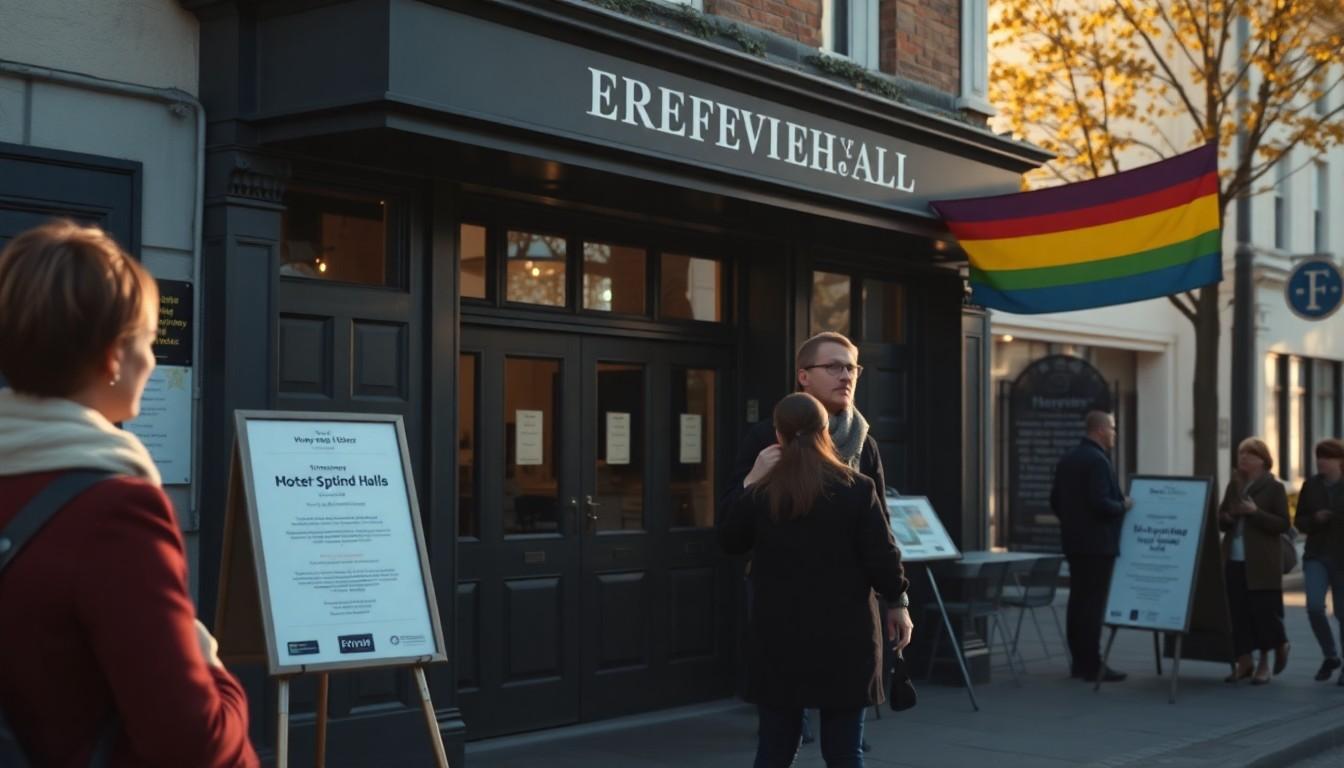
Shoppers are turning their festival plans towards Brighton this autumn as The Coast Is Queer returns, bringing queer disability history to the fore , including a rare chance to hear Daisy Holder, author of Queer Disability Through History, sharing archive-led insight on 17 October. It matters because these conversations shape how communities remember and care for one another.
Essential Takeaways
- Festival focus: The Coast Is Queer runs in Brighton & Hove from 15–18 October, with a dedicated Queer Disability History panel on 17 October.
- Speaker highlight: Daisy Holder (she/they) is an archivist, researcher and author of Queer Disability Through History , expect archive stories and lived-perspective context.
- Practical note: Events are being framed with accessibility in mind; attendees should double-check access provisions and content warnings.
- Reading list: Holder recommends contemporary queer disabled writers such as Keah Brown; her own book collects archival voices across movements.
- Why it matters: Documenting everyday action , photos, dates, social posts , helps preserve marginalised histories for future researchers.
Why Daisy Holder’s talk feels like a must-see
Daisy Holder brings the kind of archivist curiosity that makes old snaps and protest flyers feel alive again, and you can almost picture the smell of cardboard boxes and brittle paper as they catalogue histories. According to event listings, Holder will join Jamie Hale, Tom Ryalls and Julie McNamara for a panel on queer disability history, which promises first-hand insight and lively discussion. Festival audiences often say panels like this change how they think about activism and care, and Holder’s emphasis on documentation , even a date on a photo , gives a practical takeaway as well as emotional perspective. If you want to hear how private moments become public memory, this is one of the best sessions to attend.
What “archive work” actually looks like on the ground
Archivists like Holder often work out of cupboards and unexpected collections, piecing together context from scraps; it’s as much detective work as scholarship. Holder told DIVA that much of their work is finding the stories people never suspected would matter, and that resonates with broader trends in heritage work which prioritise community-sourced archives. For festival-goers, the lesson is simple: don’t throw things away. Even social media threads or scrapbooks can become valuable historical evidence. Practically, if you’re building an archive at home, label things, note dates and keep a digital backup.
How the festival is centring accessibility and queer care
The Coast Is Queer is billed as an LGBTQIA+ literary festival that aims to be inclusive, and that’s no small claim when a panel explicitly addresses disability. Organisers publish programme details and accessibility info on the festival website, but it’s still wise to check specifics before you travel. Consider emailing organisers about BSL interpretation, quiet rooms, captioning and seating arrangements; events are becoming more transparent about these things, and asking ahead makes the experience smoother. Attendees who care about inclusion should also flag non-heteronormative needs in social care contexts , a point Holder stresses as part of everyday allyship.
Books to read before you go , and why they matter
Holder’s own Queer Disability Through History has been picked up by readers and booksellers and crops up on library and retailer listings, signalling wider interest in the subject. They also point to contemporary writers such as Keah Brown, whose essay collection and poetry give a modern, personal counterpart to archival work. Reading both historical surveys and present-day essays gives a rounded view: archives show the long arc, while memoir and poetry reveal the texture of daily life. If you’ve got time before October, a mix of Holder’s research and lived-first narratives will make the panel more resonant.
How you can help keep queer disabled stories alive
Holder’s call is straightforward: document what you’re doing and when it happens. That can be as simple as writing dates on photographs, saving flyers, or keeping a timeline of activism and care work. Community groups and event organisers can amplify this by offering digital submission portals or oral-history sessions at festivals. And for everyone, a small but meaningful act is to support accessible events and to listen , that’s how private memories become shared history. It’s the kind of cultural housekeeping that benefits future historians and your friends alike.
It's a small change that can make every story safer and more likely to be found.
Source Reference Map
Story idea inspired by: [1]
Sources by paragraph: