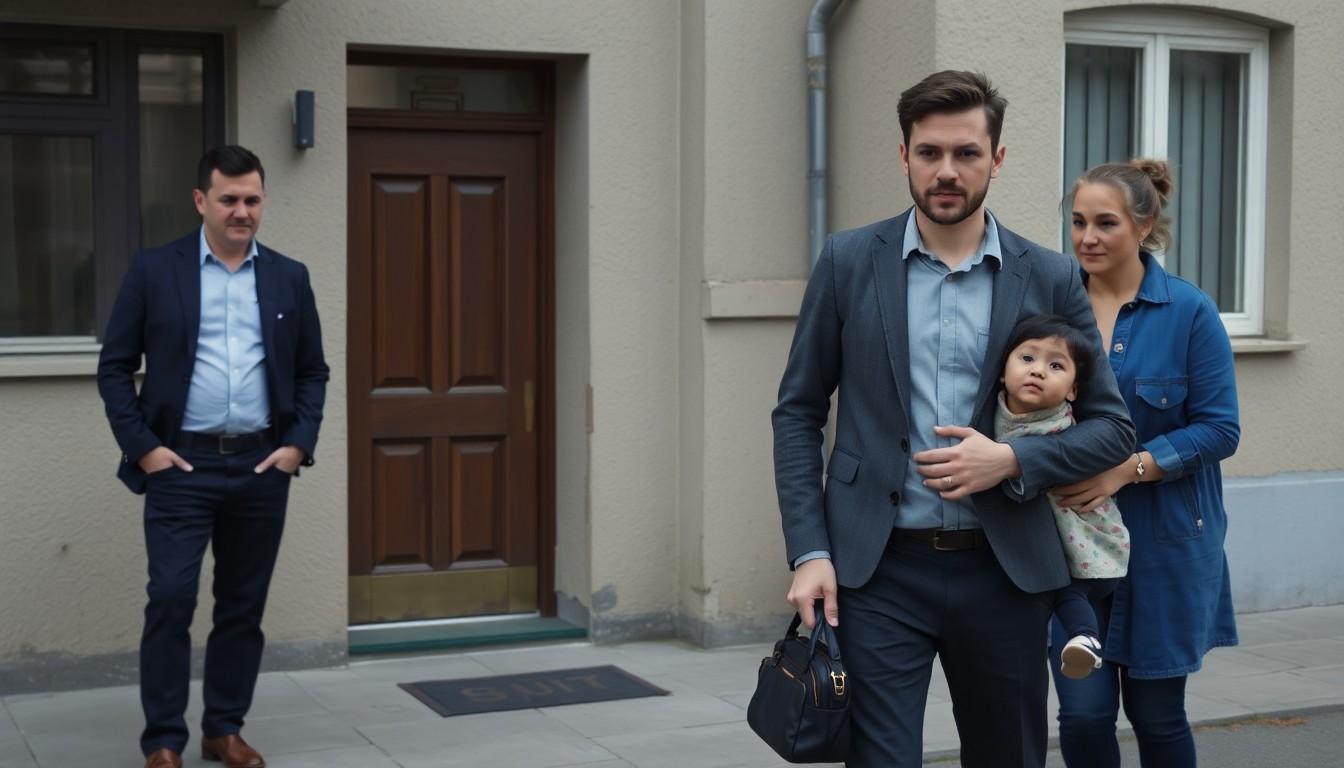
Shoppers are turning to emotionally honest queer stories, and HBO Max’s Proud is trending for good reason: it’s a Polish drama about an unruly, hard‑partying model who’s suddenly thrust into parenthood and must grow up fast. It matters because it mixes dark humour, found family and a stark look at LGBTQ+ rights in a conservative society.
Essential Takeaways
- Premise: A reckless young gay model becomes guardian to his niece after a family tragedy, forcing sudden responsibility and messy change.
- Tone and texture: Balances dark comedy with grief, featuring intimate, tactile scenes , messy nappies and fragile silences alike.
- Performance highlight: The lead actor captures swagger that gradually peels away, giving the show a believable emotional core.
- Social context: The series foregrounds ordinary homophobia and the legal hurdles a single gay man faces in Poland.
- Pacing note: Eight episodes that reward slowing down , best watched deliberately rather than binged.
Why Proud feels different: intimacy over spectacle
Proud opens in the chaos of club life, then pivots hard into domestic detail: nappies, court rooms, quiet nights with a child who won’t sleep. That texture makes it feel lived‑in rather than staged. Critics in France and Poland picked up on the show’s willingness to sit with discomfort rather than tidy it away, and you can feel that in scenes that linger on small gestures rather than showy speeches. If you like drama that trusts moments over monologues, this one will land.
The central turn: a wild life collides with real responsibility
Filip, the protagonist, is introduced as a model who prizes charm and pleasure over care. When his sister dies, he’s suddenly the adult in the room, navigating lawyers, social services and a legal system that’s not kind to single gay parents. Reviews from European outlets note how the series treats that legal battle as a lived bureaucratic slog rather than a melodramatic courtroom showdown. Practical tip: watch with patience , the slow burn is where the character work lives.
Found family does the heavy lifting
What keeps the series humane is the ragged, convincing network around Filip: a devoted best friend, an exhausted yet experienced young mother, and a fractious neighbour who turns out to matter. These people aren’t archetypes; they’re tired, funny and often inconvenient, which makes their support feel earned. Commentators have praised how the show makes caregiving a communal act rather than a heroic solo quest. If you’re drawn to ensemble dramas, note the way small acts , babysitting, curled sofa conversations , become the story’s backbone.
Love and longing: a romance that’s tentative
There’s a tentative romance with a man named Pawel that’s threaded through the series, but several critics felt it could’ve been developed more fully. The chemistry works on screen, yet the emotional logic of the relationship is sometimes undercooked next to the parenting arc. The result is intentional: the show foregrounds responsibility and connection over tidy romantic arcs, so don’t expect a conventional love story. Consider it a companion strand that complicates Filip’s choices rather than resolves them.
Why this matters beyond drama: rights and realism
Proud isn’t just a personal story; it’s also a comment on how fragile LGBTQ+ rights remain in religious, conservative societies. European press coverage highlights the show’s refusal to sermonise , it shows prejudice as ordinary obstacles that compound grief and bureaucracy. That realism gives the series teeth and urgency. Watching it, you’re reminded that policy and politics shape people’s everyday ability to form families.
It's small, messy moments that make the biggest impact here , and that’s worth sitting with.
Source Reference Map
Story idea inspired by: [1]
Sources by paragraph: