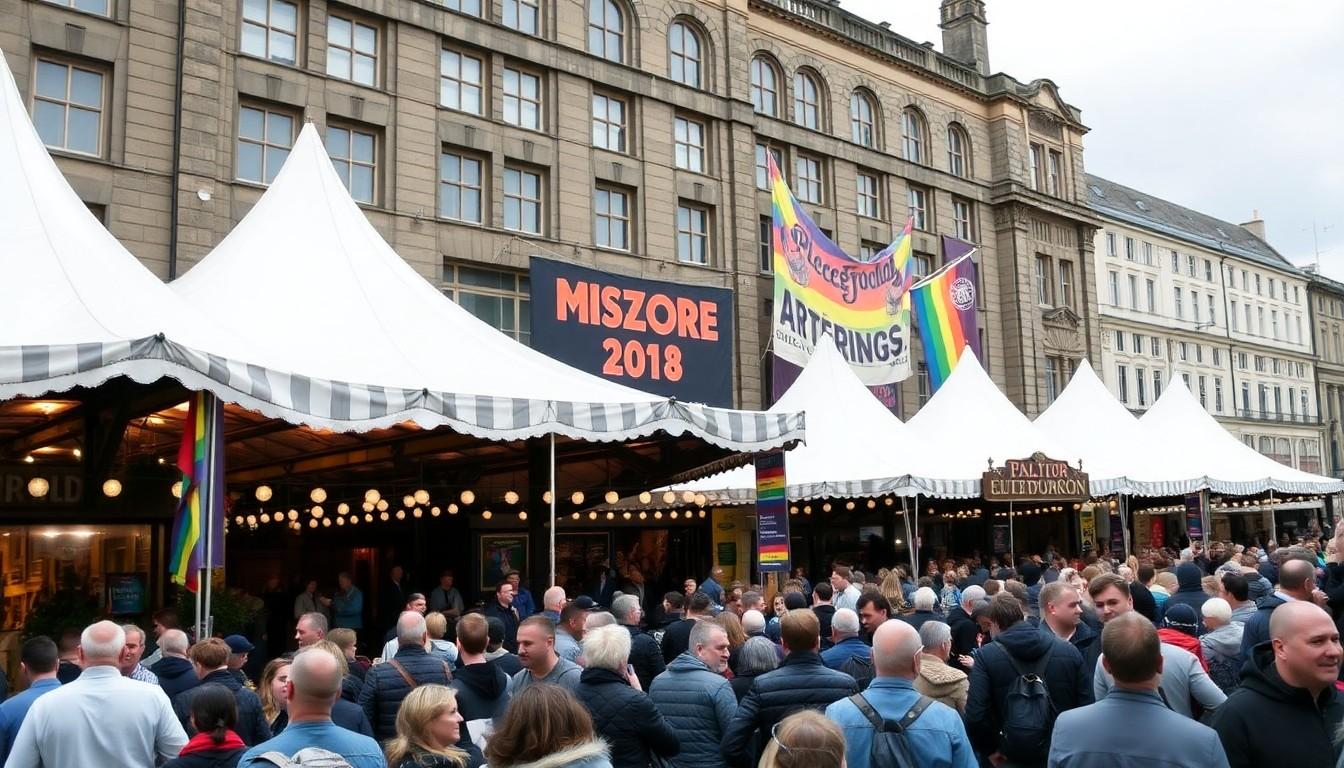
Shoppers are turning to conversation as performers confront an unwelcome trend: artists at the Edinburgh Festival Fringe say racist, homophobic and transphobic abuse is rising, changing how they flyer, perform and feel in a festival once famed for openness and daring. Here’s what’s happening, why it matters and what artists and audiences can do.
Essential Takeaways
- Incidents reported: Multiple Fringe performers recount physical assaults, verbal abuse and poster vandalism, leaving artists shaken and on guard.
- Official rise in charges: Prosecutors report hate crime charges reached a new high in recent years, reflecting wider reporting and new legal categories.
- New laws matter: Changes to hate crime legislation in 2024 broadened offences, helping explain some of the recorded increase.
- Practical precautions: Performers say they’re changing flyering habits, tightening security and being more selective about audiences.
- Mixed festival picture: Despite hostility, many drag and LGBTQ+ shows remain popular and sell out, showing resilience and demand.
A festival of colour facing a darker undertow
This year’s Fringe feels sharper at the edges, a mix of glitter and guardedness. Performers describe the strange, sad dissonance of being cheered on stage while facing abuse on the streets, and the sensory contrast is striking , sequins and applause inside, jeers and defaced posters outside. According to those on the ground, incidents that once felt unthinkable at the Fringe are now part of some artists’ routines, prompting a re-think of how they promote and protect themselves.
The Scotsman chronicled several first-hand accounts from artists who’ve been targeted while flyering or walking the city. Some have stopped reporting assaults, feeling the effort is futile; others have started avoiding busy routes or carrying fewer promotional items. It’s a reminder that freedom of expression can be fragile, even in spaces built around it.
What the statistics say about the wider picture
There’s a backdrop to these anecdotes: hate crime charges have climbed to a record high, according to Crown Office figures, and Police Scotland’s data shows increases in reported incidents across categories such as race and sexual orientation. Part of the rise follows the 2024 legal update that created a new offence for “stirring up hatred,” which widened what can be recorded and prosecuted.
That doesn’t erase the human side, but it does explain why numbers are up , more behaviour is now captured by the law than before. Still, many incidents go unreported, and performers’ reluctance to involve authorities means the lived reality often feels worse than the statistics suggest.
How artists are adapting on the fly
Flyering, once a carefree way to meet an audience, has become tactical. Some performers now target streets and venues where they feel more welcome, hand out fewer cards at night and ask friends to accompany them. A trans performer recounted being harassed multiple times a week while distributing leaflets, so she’s begun choosing quieter slots or handing flyers to venues’ front-of-house teams instead.
Producers and companies are also stepping up: posters are laminated or taken in overnight, teams liaise with venue staff over security, and some shows add clear content warnings. These measures aren’t glamorous, but they’re practical , and they help performers keep doing their work without constantly looking over their shoulder.
Audience habits and the paradox of popularity
It’s worth noticing that prejudice and popularity coexist. Many drag and queer shows are still selling out, and some performers report standing-room-only crowds. That creates a paradox: the Fringe remains an enthusiastic, diverse celebration, yet a minority of hostile interactions can cast a long shadow.
For audiences, that means being conscious of how your presence matters. Turning up to shows, buying tickets and showing visible support can be a quiet but powerful counterweight to hostility. Meanwhile, performers say that warm, engaged audiences make a huge difference to morale.
What organisers, authorities and festival-goers can do
Organisers and local authorities can make simple but effective changes: improve lighting and stewarding in areas where artists hand out flyers, offer clear reporting routes for performers, and run visible campaigns promoting tolerance during the festival. Police and prosecutors remind us that new laws give more scope to take action, but artists must feel confident to use those routes.
As a rule of thumb for artists: check in with venues about flyer distribution, travel in pairs when possible, document incidents quickly and seek support from festival hubs or advocacy groups. For audiences: be that friendly, engaged person who buys a ticket, leaves a positive review, or simply offers a kind word to someone in costume.
Closing line
It’s a small change in behaviour and a steady show of support that can make every performance feel safer and keep the Fringe its brilliant, messy self.
Source Reference Map
Story idea inspired by: [1]
Sources by paragraph: