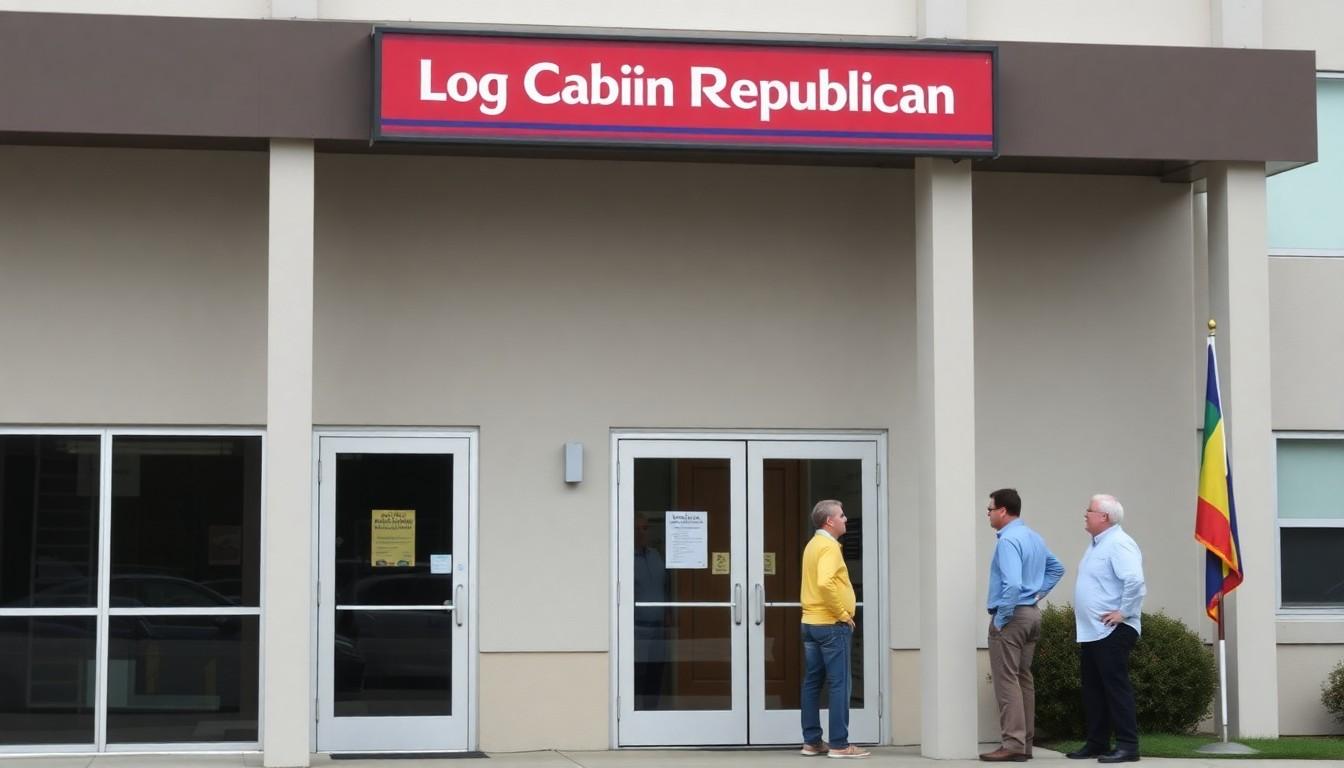
Watchers are noting a surprising split in the American LGBTQ landscape after Log Cabin Republicans voted to remove transgender issues from their formal advocacy, a move that has drawn sharp criticism from major LGBTQ groups and opened a wider debate about identity, politics and priorities.
Essential Takeaways
- What happened: Log Cabin Republicans voted to narrow their mission to sexual orientation and conservative values, effectively dropping formal transgender advocacy.
- Leadership rationale: President Ross Hemminger argued transgender activism’s focus on minors and sports policy drove the change.
- Immediate reaction: The Human Rights Campaign publicly condemned the move as divisive and harmful to collective rights.
- Senses and politics: The shift feels jarring to many , a political recalibration with a tense, almost brittle atmosphere around identity politics.
- Practical consequence: The group says transgender people remain welcome as members, but the policy change affects national advocacy priorities.
Why the Log Cabin move landed like a splash
The headline decision came straight from the group’s president, and it landed with a sharp, clinical logic: focus on what the organisation considers its core mission. Their announcement, relayed in a Townhall op‑ed, framed the change around concerns that transgender activism has increasingly centred on schools, medical treatments for minors and women’s sports , areas that, the group says, complicate conservative gay and lesbian priorities. The tone was firm and policy‑driven, and for many observers it felt less like a slight against individuals and more like a strategic retreat from contentious territory.
How big LGBTQ groups reacted, and why it matters
The Human Rights Campaign didn’t mince words, calling the move divisive and saying it plays into the hands of anti‑equality forces. That reaction matters because HRC is America’s largest LGBTQ advocacy group; when it speaks, it signals a broader community response. Other advocates framed the decision as a fragmentation of hard‑won unity, warning that splitting advocacy lines could weaken legal and political gains that rely on a united front. So the fallout is as much political theatre as it is policy disagreement.
This isn’t the first time identity lines have been contested
Fractures over transgender issues have been bubbling for years. Groups such as “Get the L Out” and a handful of outspoken lesbians and gay commentators have argued that recent waves of transgender activism raise questions about medicalisation and how young people are supported. Those voices say the focus on gender identity has changed the movement’s centre of gravity, sometimes in ways that make older priorities feel sidelined. Meanwhile, other parts of the movement treat sexual orientation and gender identity as inseparable , so the tension has been building for some time.
What the Log Cabin decision means for members and allies
Log Cabin maintains that transgender people aren’t being expelled as members, but advocacy will centre on sexual orientation and conservative policy concerns. Practically, that means national campaigns, endorsements and public statements are likely to emphasise LGB issues , electoral strategy, religious liberty angles and traditional conservative alliances. If you’re a member or donor, expect clearer messaging and perhaps fewer interventions on school policy or medical‑care debates around gender identity from this particular group.
Picking through the politics: who benefits, who loses
Politically, the move could shore up support among conservative Republicans who wanted a clearer ideological line from the group. But it also risks alienating younger voters and progressive allies who view transgender rights as central to LGBTQ equality. Advocacy organisations often trade coherence for coalition strength, and this is a case where Log Cabin has chosen coherence. Observers should watch whether other groups follow suit or whether the backlash from national LGBTQ organisations deepens the split.
It's a small change with outsized symbolism , and the conversation around it will matter for politics, policy and people.
Source Reference Map
Story idea inspired by: [1]
Sources by paragraph: