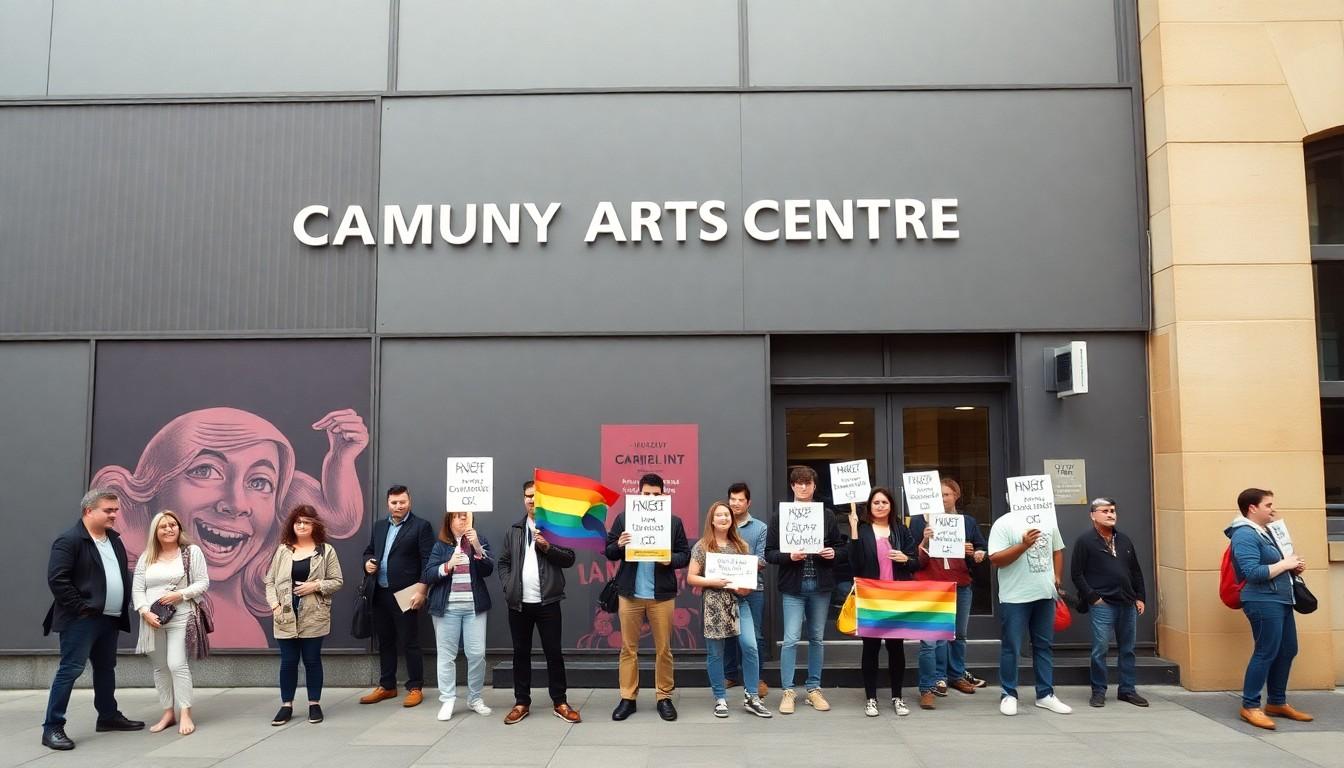
Watch closely: artists and audiences are learning that winsome, confronting queer art can be legal, vulnerable and politically explosive , here’s what happened in Sydney, why it matters, and practical steps creators and venues can take to keep spaces open and safe.
Essential Takeaways
- What happened: A year-long pop-up in a deconsecrated Sydney church was closed after three days when the landlord cited an “offensive trade” lease clause, sparking fears of precedent against queer art.
- Emotional tone: Organisers reported targeted protests and filming of attendees, creating a threatening, invasive atmosphere that forced shows to cancel.
- Practical risk: Lease language about “noisy business” or “offensive” activity can be weaponised to exclude events that challenge religious institutions.
- Community impact: The closure underscores how protest art doubles as cultural therapy for LGBTQ+ people and as a frontline defence against institutional abuse.
- What to do: Artists and venues should tighten contracts, document threats, and build rapid-response legal and PR plans to resist censorship.
Why the Divine Playhouse closure matters now
The sudden shutdown of an LGBTQ+ residency after only three nights felt like a gut-punch to artists and audiences, and it’s easy to see why , the space was lively, colourful and deliberately challenging in tone. According to The Guardian, volunteers had spent months converting the 158‑year‑old former church into a pop-up home for queer performance, only to be handed a cease notice on grounds of “offensive trade.” That felt less like a contractual dispute and more like a political and cultural intervention.
This episode matters because it shows how ordinary property rules can be bent into tools of censorship. Reporters from the ABC explained the landlord invoked a lease clause about disruptive or offensive business; the clause did not explicitly mention religion, yet landlords framed the shows as insulting to Christian beliefs. In short, contractual wording is now a battleground for culture-war fights.
If you work in the arts, this is a warning sign: be careful with where you perform and how your lease reads. And if you care about the right to protest through art, prepare to defend it beyond the stage.
How protests and online takedowns amplified the harm
Opening-night protests included members of conservative Christian groups who filmed attendees and shouted at performers and punters, creating an intimidating scene. Reporting across outlets described the protesters’ actions as aggressive and unauthorised, and organisers said footage of audience members was posted online without consent. That kind of public shaming deters artists from turning up , and it can chill entire communities.
Meanwhile, social platforms compounded the damage: organisers and community accounts were reportedly removed, a problem LGBTQ+ creators already face globally. When platforms or landlords cut off visibility and venues, the result isn’t just cancelled shows, it’s erased cultural labour and a weakening of the networks that support queer life.
Practical step: document every protest and online takedown, keep backups of content and correspondence, and build relationships with sympathetic local media before trouble starts. Quick, transparent messaging helps shift public opinion.
The long view: queer art and sacred spaces have collided before
There’s a long history of queer artists using churches and religious imagery to call out institutions that harmed them. Academics at UNSW note that repurposing ecclesiastical spaces isn’t new; it’s part of a larger tradition of contestatory art. The Divine Playhouse organisers even changed the venue’s name from Unholy Playhouse to Divine Playhouse to reduce offence and be more inclusive, but that nuance didn’t defuse opposition.
Remember Sinead O’Connor in 1992: a single act of protest on live TV eventually helped start conversations about institutional abuse. These flashpoints are uncomfortable and will upset some people , that’s often the point. If your project involves religious iconography, plan for backlash and keep the story framed as critique of power, not gratuitous insult.
Tip: consult community leaders where possible, explain your intent publicly, and keep artistic statements clear so critics can’t easily mischaracterise your work.
How artists and venues can harden defences
Prevention beats panic. First, scrutinise lease agreements for vague clauses such as “offensive” or “disturbing” activity and negotiate precise definitions or carve-outs for artistic programming. Second, buy event cancellation and legal defence insurance where available; third, assemble a rapid-response team that includes a local lawyer, a PR contact and a safety coordinator for performers and audiences.
Coalitions matter: night‑time industry groups and cultural organisations can apply pressure if a space is threatened. As nightlife leaders told The Guardian, protesters have the right to demonstrate, but artists have the right to make confronting work. Bring that balance into public messaging and legal arguments.
Practical checklist: keep copies of permits and grants visible, maintain clear communications with neighbours, and record peaceable attempts to mitigate concerns , these make strong evidence if a dispute lands in court.
What the wider debate tells us about free expression and safety
This isn’t purely an aesthetic quarrel, it’s a test of who gets to use public and semi‑public spaces and under what rules. The lease action in Sydney shows how civility arguments can be weaponised to claim cultural priority for one faith or viewpoint. That’s worrying in democracies where protest art has been a way to expose abuse and spur reform.
Protecting protest art isn’t granting licence to harm, it’s preserving the societal role of art: to unsettle, indict and give voice to marginalised experience. If communities are to continue creating and healing through performance, they need predictable legal protections and civic support when tensions flare.
For artists feeling exposed, remember: solidarity and preparation make the difference between a cancelled night and a movement.
It's a small change that can make every show safer and keep vital voices on stage.
Source Reference Map
Story idea inspired by: [1]
Sources by paragraph: