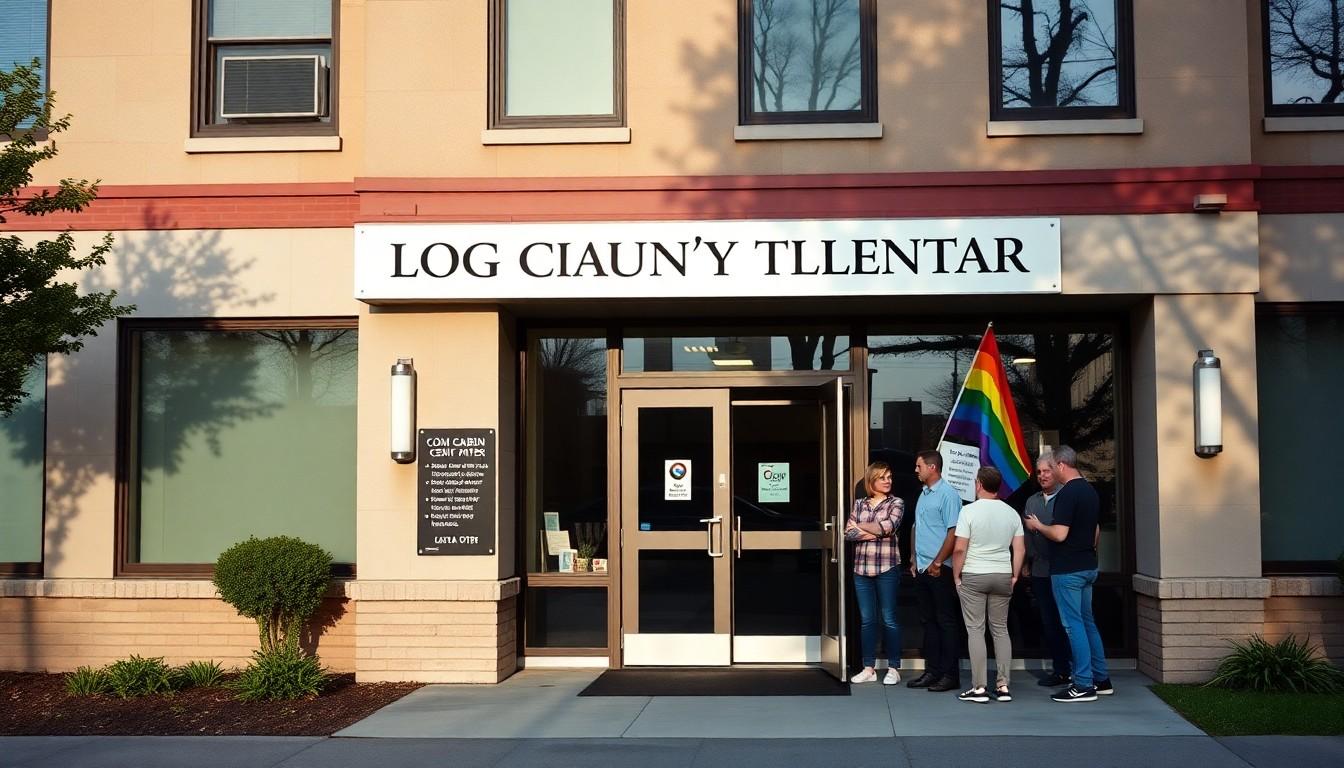
Shoppers for clarity and voters alike are watching as the Log Cabin Republicans , the GOP’s longest-running gay advocacy group , announce they will focus on LGB issues only; the move, made public this week, matters because it reshapes conservative LGBT representation and signals wider tensions over transgender policies, youth care and sports.
Essential Takeaways
- What changed: Log Cabin Republicans voted to narrow their mission to sexual orientation issues, removing transgender advocacy from their national focus.
- Why they say it matters: Leaders cite concerns about transgender activism’s emphasis on minors, sports participation and medical interventions.
- Public reaction: The split has provoked swift coverage across conservative and LGBTQ+ outlets and prompted debate inside and outside the party.
- Practical effect: The group will continue GOP-aligned work on marriage, anti-discrimination and conservative values, but not on trans-specific policy.
- Tone and texture: Statements are firm yet defensive; the announcement landed with a mixture of relief, frustration and confusion among supporters.
Opening the chapter: a long-standing group tightens its brief
The Log Cabin Republicans began in the late 1970s as a voice for gay and lesbian conservatives inside the Republican Party, and their decision to step back from transgender advocacy feels like a loop back to that origin. According to commentary from the group's president, the shift is meant to focus on sexual orientation and classic conservative principles such as limited government and equal protection. Coverage across outlets shows this is both a strategic repositioning and a cultural flashpoint inside the GOP.
Why the change now , kids, sports and medical ethics
Leaders have pointed to the contemporary transgender movement’s focus on minors as a key factor, arguing that campaigns around school curricula, sports eligibility and transition-related medical care for young people pushed the organisation past its comfort zone. Media reporting highlights how those policy fights , from classroom materials to female athletics , have become lightning rods that reshape public opinion and political alliances, so Log Cabin’s move is as much about messaging as about policy.
How the party and donors might respond
The announcement lands amid high-profile conservative alignments; the group previously hosted fundraisers with prominent figures and remains active in electoral politics. That suggests Log Cabin will keep courting Republican leaders while redefining its pitch to members and donors uncomfortable with the current trans policy debates. Political watchers expect both applause from some traditionalists and backlash from activists who view the move as abandoning trans people at a fraught moment.
The LGBTQ+ community’s reaction , hurt, pragmatic, or furious
LGBTQ+ media and advocacy outlets reported disappointment and concern that dropping the “T” removes a crucial ally in fights over civil protections. For many trans people, inclusion by political organisations is about safety as well as symbolism, and the decision has been framed as a betrayal by some. Others within the broader queer community saw it as a pragmatic retreat by a small conservative caucus trying to preserve its core mission.
What this means for on-the-ground policy battles
On the policy front, the immediate impact may be limited , Log Cabin’s influence in legislatures varies by state , but symbolically it signals shifting alliances in debates over school policy, healthcare for minors, and sports governance. For voters and activists, the choice clarifies which organisations will push which agendas; for families and schools, it’s a reminder that national groups’ priorities can change quickly when public pressure rises.
How to read this if you care about fairness and safety
If you’re trying to decide where to lend support, look at actions not just statements: which groups back protections for trans youth, which prioritise anti-discrimination for sexual orientation, and which push for sporting fairness. Consider local impact , state bills and school boards often matter more than national declarations , and weigh both compassionate care and safeguards for minors when forming an opinion.
It's a small organisational change with outsized cultural meaning; watch who steps into the gap and how Republicans and LGBTQ+ groups recalibrate.
Source Reference Map
Story idea inspired by: [1]
Sources by paragraph: