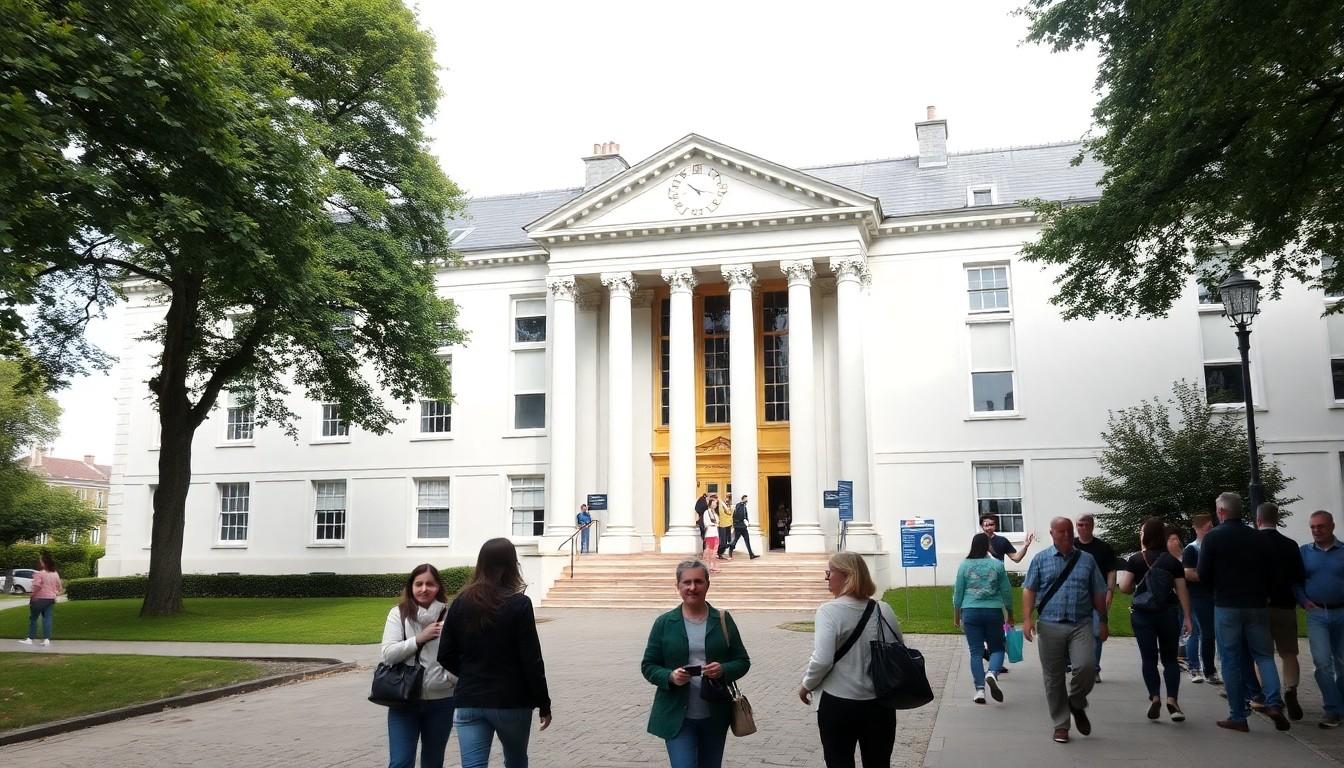
Shoppers, history-lovers and community members are flocking to Cork as the city opens Ireland’s first permanent LGBTQ museum exhibition, placing objects, stories and a digital archive where they can’t be ignored , and reminding visitors why local memory matters for everyone.
Essential takeaways
- Permanent presence: Cork Public Museum now hosts "We Were Always Here," Ireland’s first permanent LGBTQ museum exhibition with physical and digital collections.
- Local stories centre stage: The show traces Cork LGBTQ history through people and organisations, from clandestine support networks to public activism.
- Historic loans: The original Gilbert Baker Rainbow flag is on display in Cork for four months, adding a rare, emotional draw.
- Community-backed: Funded by Cork City Council, the Heritage Council and the Department of Culture, the exhibition continues the museum’s inclusive approach to city heritage.
- Accessible and vivid: Items are accompanied by a digital archive, making material easy to explore and share; displays feel immediate and human.
A visible history at last , and it feels personal
Cork’s new exhibition opens with an insistently human tone: letters, posters, badges and photographs that smell of time and speak of people finally being seen. According to the Cork LGBT Archive’s founder and curator Orla Egan, that visibility is the point , too often LGBT stories have been hidden, erased or treated as shameful. This show stitches those stories into the city’s larger narrative so they sit beside other established histories.
The museum says this permanent display builds on earlier inclusive moves; visitors who’ve seen the Traveller and Jewish community exhibitions will recognise the same careful, respectful approach. For locals it’s striking to see familiar streets and names reframed through the courage and everyday lives of LGBTQ Corkonians.
Why Cork , a city of firsts for LGBT history
Cork’s claim to heritage isn’t accidental. Curator Dan Breen points out the city’s history of milestones: the first national gay conference hosted here in 1981, the first Irish lesbian and gay film festival in 1991, and even what’s believed to be the first-ever LGBTQ float in a St Patrick’s Day parade in 1992. Those civic moments give the exhibition a sense that Cork has long been an incubator of change.
That local continuity matters: when a museum makes a collection permanent it signals respect and permanence. It’s a message to young people, to families and to visitors that these lives belong in public memory, and that the museum acknowledges past injustice while celebrating resilience.
The Gilbert Baker flag on loan , a rare, tactile symbol
One of the exhibition’s headline moments is the display of the original Rainbow flag, designed by Gilbert Baker in 1978. The flag’s arrival in Cork , the first city outside the United States to show the original , is both a museum coup and an emotional anchor for the show. Lord Mayor Damian Boylan framed the loan with Cork’s motto, "A Safe Harbour for Ships", urging viewers to think of the city as a refuge for people too.
Seeing the flag in person is different from scrolling an image: the fabric’s faded colours, the creases and joins tell a visual story of activism and cultural travel. For educators and visitors alike it’s an accessible way to talk about symbols, solidarity and how objects travel through history.
How the exhibition works , practical access and storytelling
"We Were Always Here" pairs objects with a digital archive, so you can linger over a pamphlet or scan a QR code to hear an oral history. The combination means the exhibition is compact but rich, and useful for teachers, researchers or anyone who wants a deeper dive after a single visit.
If you plan a trip, allow time to use the digital components and read the personal testimonies; they’re the threads that turn artefacts into lives. The museum’s approach also offers a template for other institutions: small galleries can tell big stories when they prioritise community collaboration and digital reach.
What it means now , politics, memory and a cautious optimism
The exhibition opens at a moment when, as Orla Egan warns, homophobia and transphobia are rising in parts of society. Making queer history visible in a civic museum is therefore political as well as cultural; it’s an act of refusal against erasure. Local councillors and funders have signalled support, but the exhibition also invites conversation , about how history is preserved, who decides what’s kept, and how museums serve living communities.
For many visitors it will be a quiet, moving education; for activists it’s a recognition long overdue. The hope is that this permanent display will encourage other cities to follow suit, normalising LGBTQ histories as an integral part of national memory.
It's a small change that can make every story harder to ignore.
Source Reference Map
Story idea inspired by: [1]
Sources by paragraph: