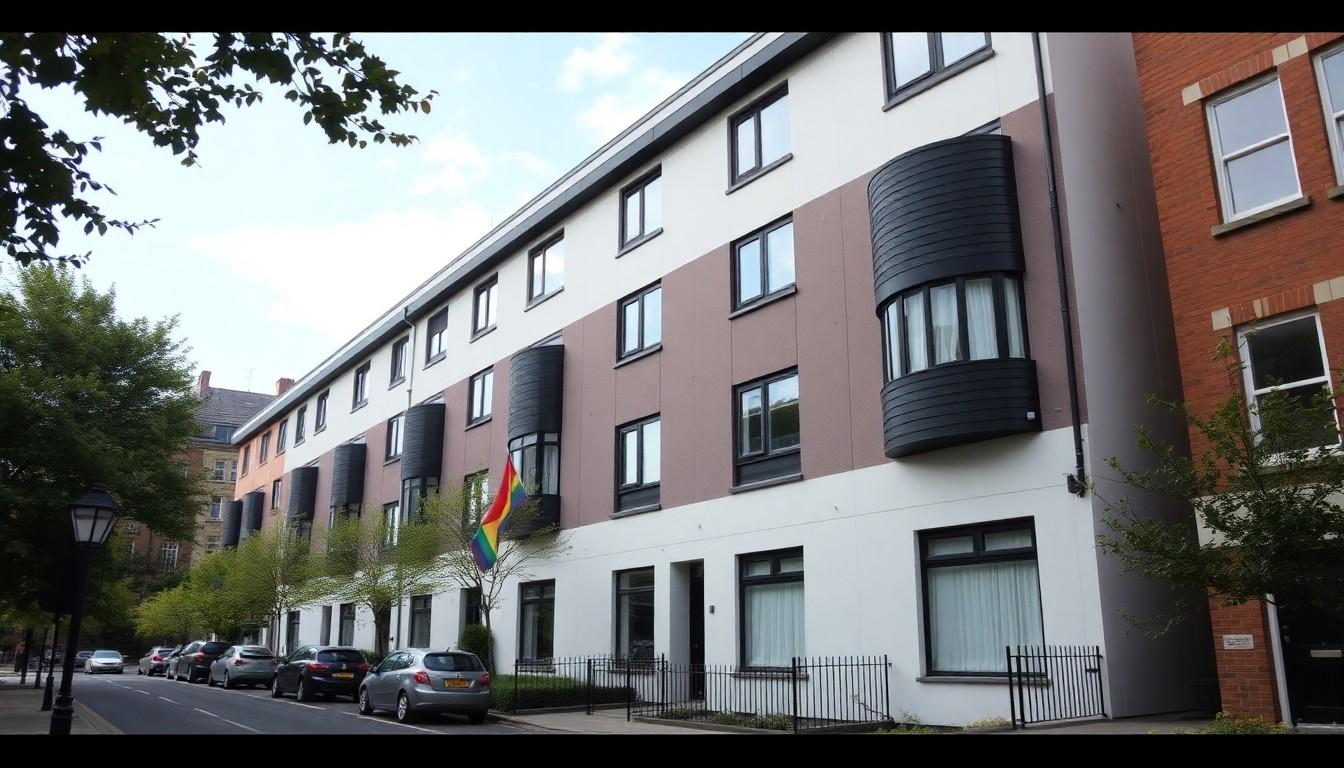
Remembering Charles Street, where neon and music once turned a single road into Cardiff's closest thing to a gay village; former clubbers, owners and historians say its story matters as flats replace venues and the city debates how to protect safe spaces for the LGBT+ community.
Essential Takeaways
- Historic roots: Charles Street began as a genteel 1840s residential street before evolving into shops and later nightlife, with grand Georgian facades giving way to clubs and chapels.
- Nightlife hub: For decades the street hosted multiple LGBT+ venues side by side , Club X, Exit, Minsky's, Eagle and the Locker Room , creating a concentrated, friendly atmosphere.
- Slow decline: From the 2010s onward residential development and planning shifts, plus noise complaints, saw venues close one by one until only Eclipse remained.
- Community value: Owners and curators emphasise these venues were more than entertainment , they were safe spaces where friendships, relationships and activism began.
- Preservation moves: Amgueddfa Cymru is collecting signs, shirts and ephemera to record the city's LGBT+ social history for future generations.
A street that pulsed after dark , and smelled faintly of perfume and sweat
Walk Charles Street today and it can feel quiet, even anonymous, with flats and takeaway windows crowding the pavement. But those who lived it in the 1990s and 2000s remember neon, basslines and queues, a sensory tapestry that made the street feel alive and safe. According to Cardiff historians and former punters, venues such as Club X and Exit weren’t just places to drink , they were where people first met kindred spirits and learned they belonged.
How Charles Street became Cardiff's "gay village"
The street's life as an entertainment strip grew from a broader Victorian-to-modern change: Georgian townhouses gave way to shops, chapels and later creative spaces , and finally to bars and clubs. Industry voices and curators point out that having so many LGBT+ venues side by side made a unique ecosystem. People could move between underground dancefloors and quieter bars without stepping far from home, which helped forge long-lasting friendships and relationships now fondly recalled by many.
Why closures accelerated , flats, complaints and shifting priorities
Owners who invested in the street say the pressure built fast. As residential development increased, the dynamic shifted: new neighbours expected quieter streets, and noise complaints followed. Operators recalled planning assurances that didn't survive first-week tensions, and how enforcement and the Agent of Change principle changed the balance between nightlife and new housing. At the same time, hospitality faced national headwinds, making independent venues more vulnerable to closure.
Eclipse and the struggle to keep a safe space alive
Eclipse, the sole dedicated LGBT+ venue left on the street, shows how a venue can adapt and broaden its welcome while still feeling familiar. The current owners speak of inclusive nights, transgender meet-ups and drag bills that aim to serve the whole community, not just one segment. But they also note practical problems: with fewer neighbouring venues there’s less footfall, and a lone club on a largely residential street faces more scrutiny and fewer spontaneous visits from passers-by.
Preserving the past while planning the future
Museums and collectors have started to gather the physical traces of the era , staff T-shirts, signage and flyers , because, as curators say, objects tell the story of how LGBT+ people met and found acceptance. Meanwhile, local council statements remind us that city centres must balance housing, leisure and business, and that the Agent of Change principle places mitigation responsibility on new developments. The debate now is how to ensure that cultural and social value is weighed alongside housing need when decisions are made.
Practical tips if you care about nightlife and community spaces
- If you’re moving into a city-centre flat, expect noise and late-night activity; check local planning history before you buy.
- Support remaining independent venues by going out on quieter nights and sharing events on social media.
- If you run a venue, document community value , host meet-ups, social groups and collect testimonies to show cultural importance.
- If you’re a campaigner or councillor, push for planning conditions that protect existing leisure uses when approving new residential blocks.
It's a small change to think about, but recognising the social value of places like those on Charles Street might make the difference between preserving a safe space and letting it fade.
Source Reference Map
Story idea inspired by: [1]
Sources by paragraph: