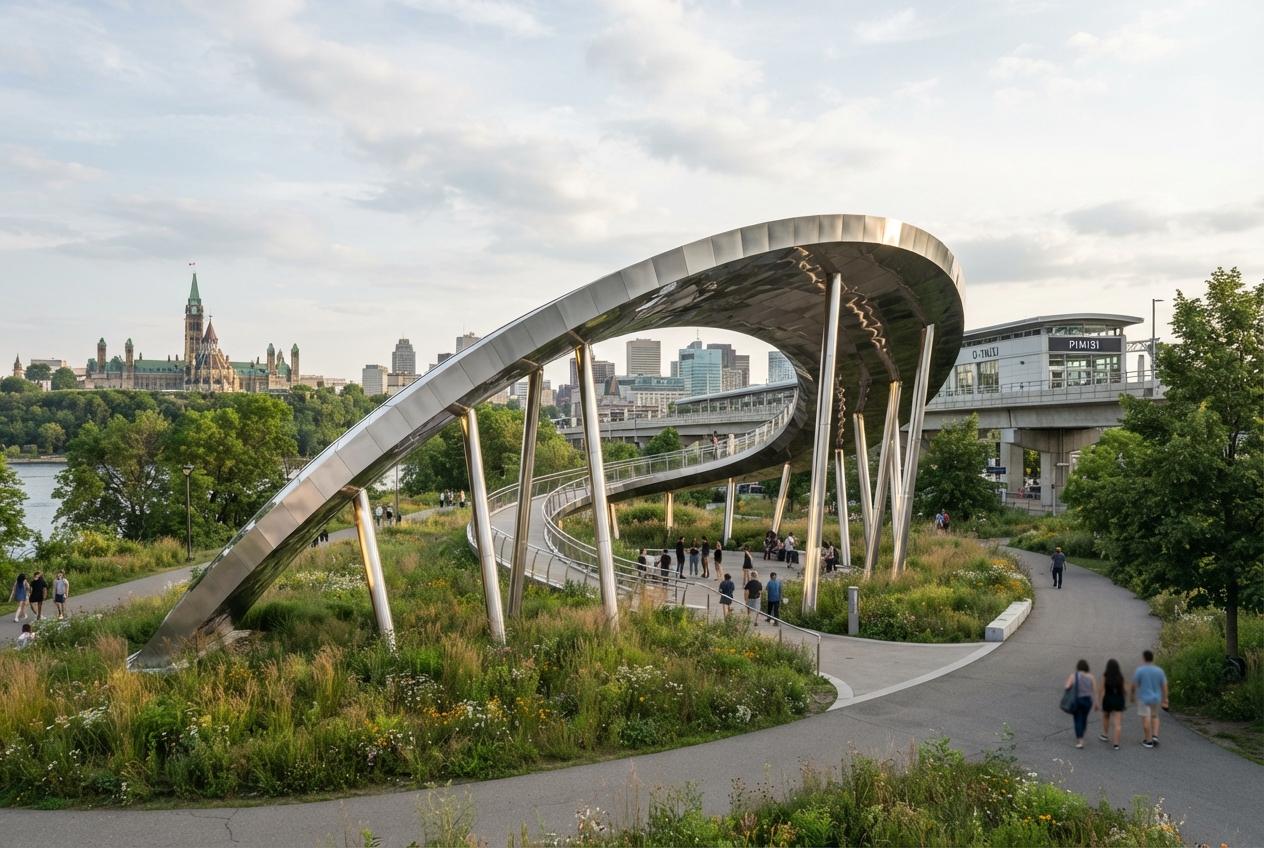
Shoppers of culture and history are turning their attention to Ottawa, where a new national 2SLGBTQI+ monument has opened , a striking, conversation-starting memorial that honours survivors, remembers persecution, and marks a turning point in public commemoration in Canada. Here’s what to see, why it matters, and how to experience it respectfully.
Essential Takeaways
- Location and purpose: The monument sits in the capital and honours 2SLGBTQI+ peoples, centring both remembrance and resilience.
- Design features: Expect a bold visual statement with layered symbolism, a contemplative atmosphere, and materials chosen to endure.
- Accessible and reflective: The site is designed for public visitation, with paths and spaces that invite quiet reflection and community gatherings.
- Practical tips: Visit early or late to avoid crowds, look for interpretive plaques, and plan for a short, thoughtful walk.
Why this monument matters now
This memorial comes at a moment when Canada is rethinking who gets remembered in public spaces, and how. According to government materials, the project was created to recognise the specific histories of persecution, loss and survival faced by 2SLGBTQI+ communities. That mix of grief and celebration gives the monument a serious, approachable tone; you can feel it in the quiet textures and the way light plays across the site.
People say these kinds of places help fill gaps in official memory, and there's a visible intention to do just that here. It’s not a celebratory sculpture alone, nor an austere wall of names; it sits somewhere between a refuge and a classroom, signalling that history includes those who were too often left out.
What the design aims to communicate
Designers describe the monument using language about layers, thresholds and gathering. Those choices matter: they let visitors move through different moods , from sombre to resilient , and make the experience tactile rather than purely visual. Materials chosen for durability also carry a sensory quality; expect a mix of smooth and textured surfaces, and a quiet, steady presence that doesn’t shout but invites attention.
For anyone curious about symbolism, the government’s descriptions point to elements intended to reflect plural identities and shared struggles. It’s the kind of public art that rewards a slow look, and that becomes more meaningful when you notice small details.
How the project came together
This was a national initiative, and the development process included formal calls, design competitions and community consultation. You’ll find official project pages outlining the selection and commissioning steps taken by Canadian heritage officials. Those notes show an effort to be inclusive in both concept and execution, though debates about public memorials are ongoing and healthy.
Local and national coverage has underlined that the monument responds to decades of activism and calls for recognition. For visitors, that backstory adds weight: this isn’t simply decorative, it’s the product of lived experience and civic decision-making.
Visiting tips and what to expect on the day
Plan for a reflective visit rather than a quick selfie stop. The site is intended for lingering: read the plaques, take in the sightlines, and give space to others who may be there remembering. Early morning or late afternoon often offers calmer lighting and fewer people.
If you’re bringing children, consider preparing a simple, age-appropriate explanation , monuments like this are teaching tools as well as memorials. Accessibility is part of the brief, so pathways and signage aim to be welcoming, but check the official site for the latest practical details before you go.
Broader impact and what comes next
Monuments change how cities feel and how communities see themselves. This new 2SLGBTQI+ memorial adds a visible, permanent acknowledgement of histories that were too often invisible in public spaces. Expect it to become a focal point for anniversaries, commemorations and public conversations.
Over time, the monument may inspire further projects, both in Ottawa and beyond. For supporters and sceptics alike, it’s a clear statement that national memory is expanding to include a fuller picture of Canada’s past.
It's a small change that can make every visit feel like both learning and remembering.
Source Reference Map
Story idea inspired by: [1]
Sources by paragraph: