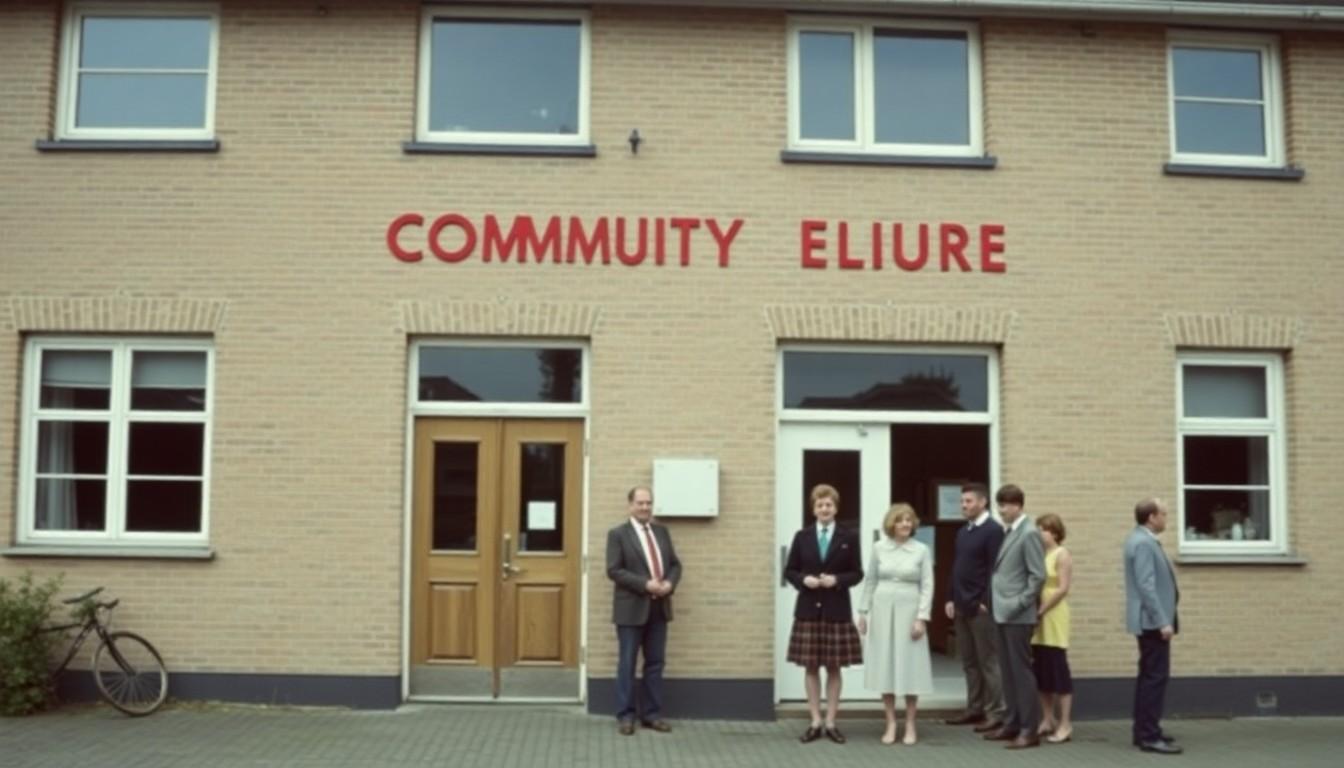
Remembering a law that lingered long after it was written: this piece traces Article 248bis, the clause that criminalised sex between older men and younger men, and how it touched real lives, music, friendships and the quiet fear of punishment in 1960s Netherlands.
Essential Takeaways
- What it was: Article 248bis criminalised sexual relations when one partner was over 21 and the other under 21, disproportionately targeting same-sex men.
- Everyday impact: The law cast a shadow over relationships and social life; people worried whether turning 21 might suddenly make them a criminal.
- Activism mattered: Groups such as COC and AJAH campaigned to repeal the provision and shift public opinion.
- Cultural ripple: Queer social spaces, cafés, bands and neighbourhood networks, became both refuge and stage for resistance.
- Choosing caution: For decades, many stayed “in the closet” while finding community through music and discreet gatherings.
A law that felt personal: how Article 248bis entered daily life
The moment someone crossed an age boundary, the world could feel riskier; it wasn’t just abstract legal text, it was a question that hung over bedrooms and friendships. Personal recollections from the 1960s show how people measured relationships against the law and wondered whether an ordinary birthday could turn desire into a criminal act. According to historical overviews, Article 248bis singled out same-sex relations with a specific age difference, and that legal specificity made intimate life fraught with anxiety.
Back then, activists and community groups began to challenge the provision. The COC and youth groups like AJAH demanded repeal and visibility, and that organising slowly changed both statutes and attitudes. The law’s existence helps explain why many queer people gathered in cafés, clubs and bands: these places offered a quieter, more human space to be seen and to share music, rather than be defined by a penal code.
Music, cafés and quiet community: where people found each other
Recollections of bands, lesbian cafés and late-night rehearsals make the period feel tactile, smoky rooms, clapped rhythms, and a small foam-rug sofa standing in for a proper couch. Those scenes weren’t just social; they were lifelines. Lesbian and gay groups created networks where people could meet without immediate fear of police attention or public scandal, and venues such as De Lange Gang became iconic meeting points.
Historians note that queer cultural life often flourished despite restrictive laws, not because of them. Musical projects and women’s bands offered visible, creative outlets and introduced people to communities they might otherwise never have found. If you read oral histories from the time, you’ll hear the same pattern: art and friendship softened the sharp edges of discriminatory statutes.
Legal history in short: why Article 248bis existed and how it ended
Article 248bis came into Dutch law as part of wider morals legislation and was aimed at preventing sexual relations deemed exploitative or indecent. Over the decades, critics argued it disproportionately criminalised same-sex activity and reflected outdated moral assumptions. Researchers have traced how campaigns, political debate and changing social mores culminated in the law’s eventual removal.
The repeal process didn’t happen overnight: it was the result of sustained activism, legal analysis and shifting public sentiment. The entire arc, criminalisation, contestation, reform, is useful background if you’re trying to understand how law and everyday life interact, and why legal language can carry such heavy social consequences.
Why people stayed closeted, and how some chose visibility
For many, staying “in the closet” was a survival strategy: family expectations, job security and the risk of prosecution all pushed people to conceal their relationships. Yet elsewhere, others visibly claimed space, forming bands, running cafés, or joining activist groups. Both choices were pragmatic responses to a hostile environment, not moral failings.
If you’re thinking about historical empathy, imagine celebrating a birthday while worrying whether your age means exposure to the law. That tension explains why queer life in the Netherlands of the mid-20th century combined private caution with bold public acts of culture and community-building.
What it means today: memory, law and cultural legacy
Looking back matters because laws leave traces in communities and memories. Repeal is an important legal milestone, but the social consequences last longer: friendships, music scenes and local spaces carry the imprint of those years. Contemporary Dutch debates about equality and anti-discrimination build on that history, and archives and museums now collect objects, testimonies and legal documents to keep the story alive.
For anyone researching queer legal history or family memory, primary sources and activist records give essential texture. They remind us that change comes through both courtroom argument and everyday courage, the person who opens a front door one morning, the band that welcomes a new singer, the café that stays open late.
It's a small change in law that made a big difference to how people loved and lived.
Source Reference Map
Story idea inspired by: [1]
Sources by paragraph: