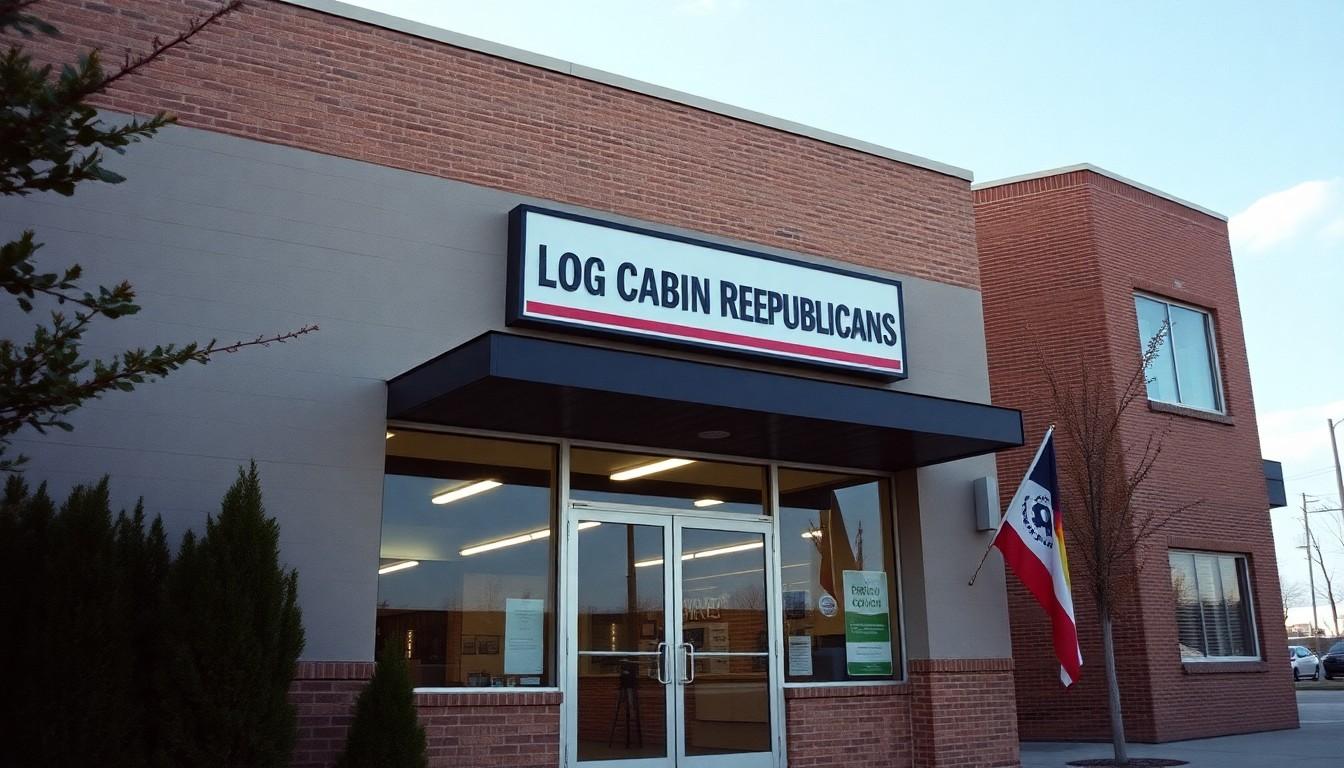
Noticeably shifting, the Log Cabin Republicans , a once-prominent conservative LGBTQ group , has removed transgender rights from its mission, a move that reshapes intra‑party gay politics in Washington and matters to activists, donors and Republicans weighing LGBT outreach.
Essential takeaways
- What changed: The Log Cabin Republicans voted to remove explicit advocacy for transgender rights from their official mission, signalling a policy pivot.
- Membership reaction: Some members and allied activists say the decision feels like a narrowing of identity, while others argue it's a pragmatic realignment with conservative priorities.
- Political impact: The move is likely to affect the group’s relationships with mainstream GOP leaders and LGBTQ organisations, and could reduce its influence on transgender policy debates.
- Tone and tactics: Reports note a shift toward identifying as an LGB group rather than a fully inclusive LGBT organisation, which changes public messaging and fundraising appeals.
- Practical effect: For transgender people and their advocates, this isn’t a new law, but it may lower one channel of Republican‑aligned support for trans issues and reshape where political capital is spent.
What exactly happened , and why anyone noticed
The Log Cabin Republicans formalised a decision to stop explicitly advocating for transgender rights in their mission, a pivot that landed in headlines across the spectrum. The choice strips a formerly broader LGBT focus down to a narrower LGB emphasis and has a quietly tense, slightly awkward emotional tone: supporters who once saw the group as an inside‑the‑party advocate for all queer people feel let down. Reports at outlets including Metro Weekly and The Advocate emphasise that the resolution was deliberate and organisational, not a slip of language.
Backstory matters here. The group has long tried to balance conservative policy positions with gay civil‑rights advocacy, and internal debates about where to focus scarce resources have been brewing for years. Some members argued the organisation should double down on issues where it can influence Republicans; others said abandoning trans rights betrays the broader community. Expect more conversations, perhaps fractures, in coming months.
How conservatives and progressives reacted
Coverage ranged from measured to blunt. Conservative outlets framed the move as a realistic recalibration, while progressive and queer publications described it as abandonment. The Los Angeles Blade and The Advocate captured the sense of alarm among transgender advocates, who see the decision as symbolic but consequential. At the same time, some GOP allies may welcome a group that focuses tightly on issues like military service, religious liberty and economic policy without taking on divisive transgender questions.
If you follow political signalling, this is a clear shift in messaging: the Log Cabin name still evokes gay Republicans, but the laundry list of issues they tout will now sound different in GOP circles and donor pitches.
What this means for transgender advocacy in practice
This change won’t instantly alter laws or protections , Congress and state legislatures set policy , but it removes one moderate, Republican‑friendly voice that could have advocated inside party structures. That matters when legislators seek bipartisan cover on sensitive votes. With Log Cabin stepping back, transgender advocates may lose a potential ally who could translate trans issues into terms palatable to conservative lawmakers.
For activists, the practical takeaway is to diversify outreach: build relationships with other Republican groups, local officials and bipartisan coalitions. For donors and volunteers, it’s a cue to check organisational mission statements more closely.
How the decision fits into wider trends in LGBT politics
The move reflects a broader national pattern where political groups refine their brands to survive polarised times. Some LGBT organisations have doubled down on comprehensive inclusion; others, particularly those tied to conservative parties, are rebranding to match core constituencies. According to reporting across outlets, this is part of a market‑style sorting: groups choose specific niches instead of broad umbrellas.
So expect the landscape to look a little different: more specialised advocacy groups, sharper messaging, and possibly more friction at events where competing visions of LGBTQ representation meet.
What to watch next , practical signs and likely outcomes
Watch fundraising appeals, donor lists and endorsements. If major Republican figures continue to engage with Log Cabin, the group will still carry influence. If donors and chapters defect to more inclusive groups, organisational capacity could shrink. Also note whether the group changes its legal filings, outreach materials or chapter guidelines; those are concrete indicators of lasting change.
For members, ask how the decision affects local advocacy and whether chapter leaders will mirror the national pivot. For journalists and voters, keep an eye on endorsements in upcoming primaries , that will show where practical loyalties land.
It's a small change with outsized symbolism, and it will tell us a lot about where conservative LGBTQ politics head next.
Source Reference Map
Story idea inspired by: [1]
Sources by paragraph: