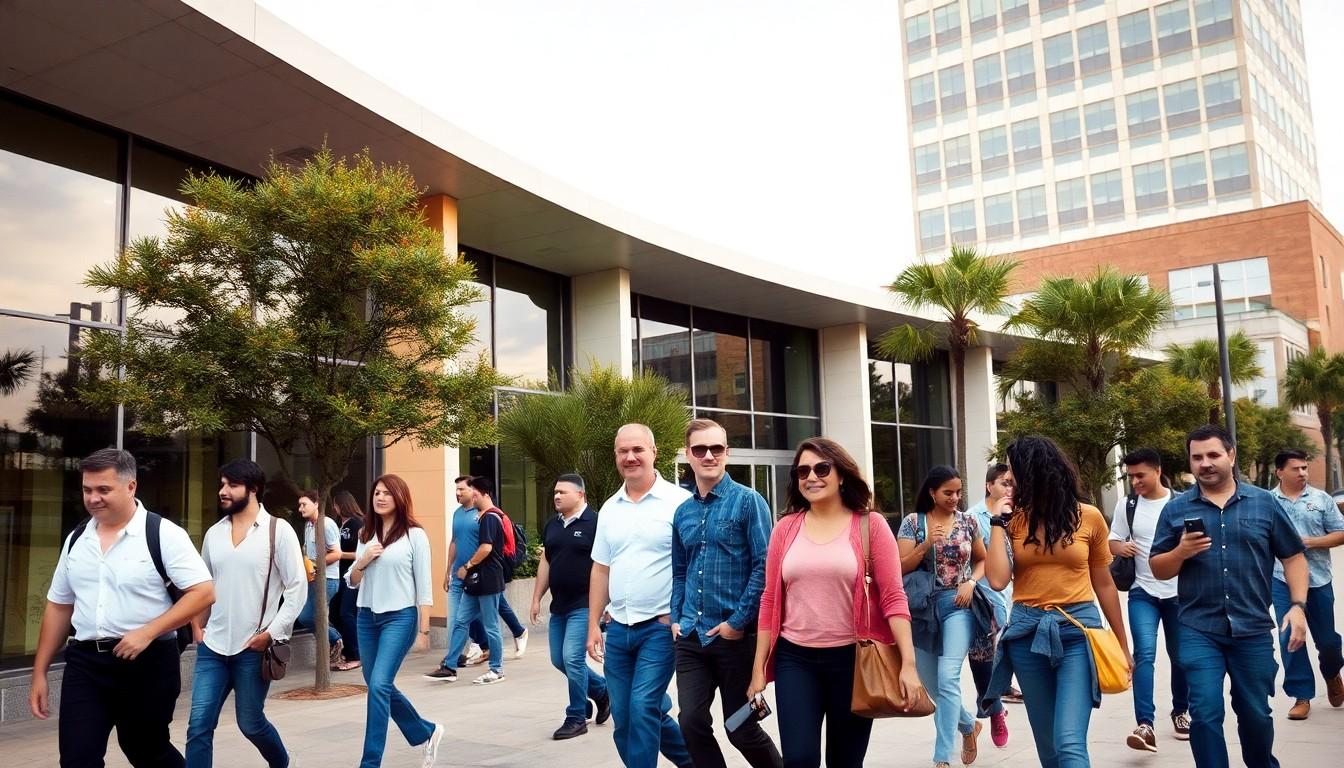
Shoppers are noticing a bigger, more visible LGBTQ+ population in Texas than older estimates suggested, with a new Human Rights Campaign analysis putting roughly 2.24 million Texas adults as LGBTQ+. That’s about 12.5% of adults , a finding that reshapes local conversations about politics, services and community life.
Essential Takeaways
- Big number: The Human Rights Campaign’s analysis estimates about 2,243,590 Texas adults identify as LGBTQ+, roughly 12.54% of the adult population, a jump from older 5% estimates.
- State ranking: Texas ranks second nationally by total LGBTQ+ adults (behind California) and sits in the Top 15 by percentage.
- Identity mix: Among respondents, bisexual adults make up the largest share, with queer, gay and transgender people also represented; the study found around 7% bisexual, 2% gay/lesbian and 2% transgender.
- Visible signs: Locals point to busy pride festivals and vibrant scenes in Austin, Dallas and Houston as everyday evidence of a larger community.
- Political tension: The findings come amid heightened anti-LGBTQ+ legislation and public debate, which colours how numbers are talked about and why better data matters.
Why this new number feels surprising , and why it shouldn’t
The headline figure jumps out because it’s a lot larger than some older, common estimates that hovered near 5%. But there’s a simple reason for the shift: better data and broader survey methods uncover people who previously weren’t counted. The result is a clearer, fuller picture of who lives in Texas and how they identify.
According to reporting in the Houston Chronicle and analysis from the Human Rights Campaign, improved outreach and different polling techniques tend to increase reported rates. That’s especially true for people who felt hesitant to answer questions in past surveys, or who didn’t see themselves reflected in shorter questionnaires. So the surprise is partly a statistical correction rather than a sudden population boom.
For readers, the takeaway is practical: planning for services, healthcare and community support requires accurate counts. Organisations and policymakers can’t respond well if they’re working from outdated assumptions.
What locals are saying , from Pride to punchlines
Online reactions from Texans ranged from warm recognition to wry jokes. Some residents noted that the state’s many pride events and bustling bars and community centres have long signalled a significant presence. Others posted more pointed observations about conservative communities and “closeted” people who don’t live openly.
Those reactions matter because they show identity isn’t just a number. When people say “I see them at Pride” or “I know neighbours who’ve come out later in life,” they’re describing how visibility changes private lives and public conversation. And as the Texas Tribune coverage suggests, visibility varies wildly across regions , Austin looks very different from rural parts of the state.
If you’re curious about local life, go to a smaller pride event, visit queer-run cafés, or check community listings. You’ll get a better sense than a stat alone can give.
Politics, policy and why counts are political
This new HRC data lands in a charged political moment. The past legislative seasons have seen a swathe of bills targeting LGBTQ+ people, and local reporting shows Texas was behind a significant portion of that activity. So a bigger LGBTQ+ population complicates the narrative for lawmakers and activists alike.
Advocates say accurate counts are vital for arguing against harmful policies, and for securing healthcare, schools and safety resources. Opponents sometimes use the same visibility to push back. Either way, numbers change the argument: a larger share of the electorate and taxpayer base tends to shift how political risk is calculated.
If you follow policy closely, watch how state-level debates reference these figures in coming months; they’ll be used both to defend rights and to justify restrictions.
What this means for services, businesses and everyday life
A more accurate tally of LGBTQ+ Texans has practical knock-on effects. Healthcare providers may prioritise training in trans-friendly care, employers might expand inclusive benefits, and city planners could invest in safer public spaces. Businesses that ignored queer customers in certain areas may rethink their approach when they see the actual numbers.
Community organisations will use the data to apply for grants, to lobby for protections, and to plan outreach where the need is greatest. For individuals, the change could mean greater availability of culturally competent therapists, more youth support groups, and deeper local networks.
If you’re choosing a doctor or school, ask about training and anti-discrimination policies; if you run a business, consider simple changes like inclusive forms and visible allyship.
Where the research goes next , more clarity, or more debate?
Expect follow-up studies and local breakdowns. The initial HRC work is part of broader efforts to map LGBTQ+ populations more accurately across states, and newsrooms like the Houston Chronicle and outlets covering policy have already begun dissecting the data. Future surveys will refine the picture: age, race, geography and urban-rural differences will all matter.
That said, numbers alone won’t settle the cultural arguments. They’ll feed them. And while policy and activism will use these figures as ammunition, the human stories underneath , the people who come out at 18 or 58, the parents and teachers and neighbours , will shape how Texas actually responds.
It’s a small statistical shift with big social implications; expect conversation, action and more careful counting.
It's a small change that can make public life and services better for many Texans.
Source Reference Map
Story idea inspired by: [1]
Sources by paragraph: