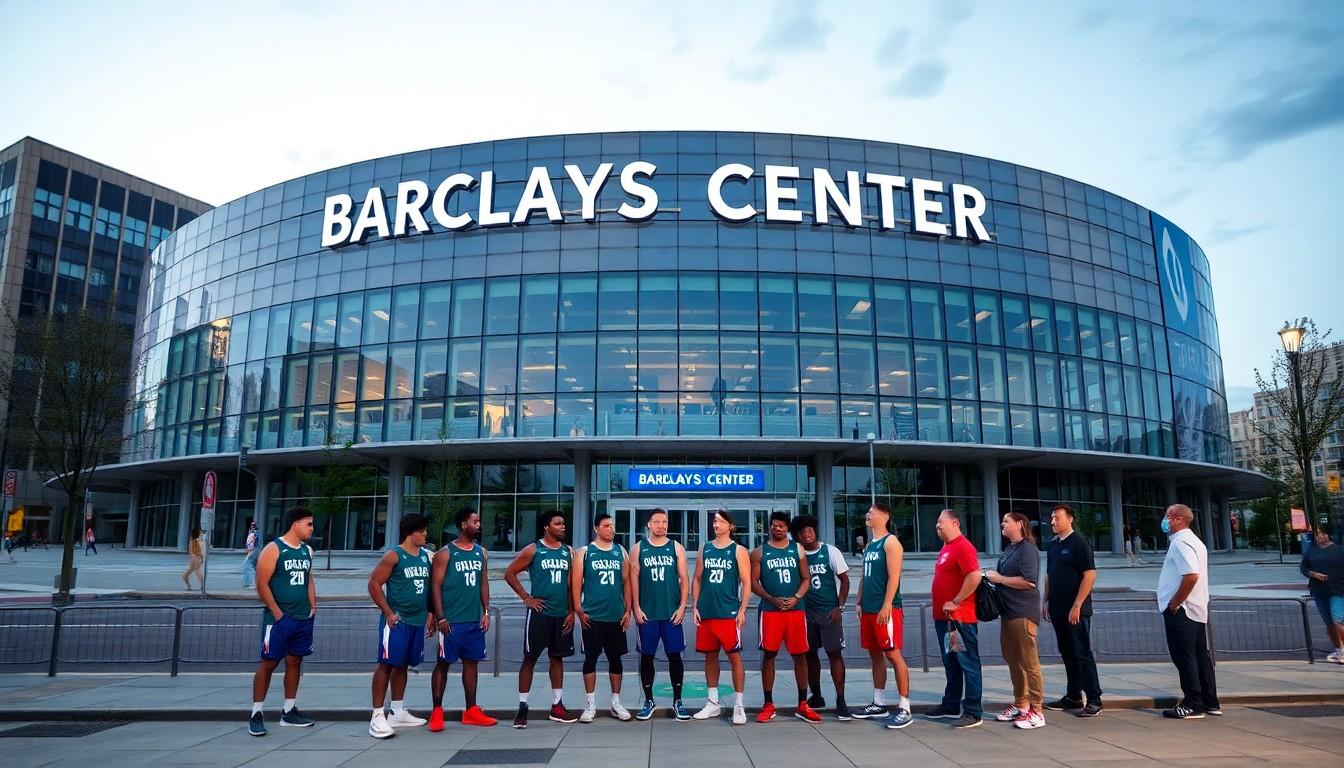
Shoppers are watching the WNBA’s next move as rallies swirl outside arenas; Breanna Stewart says inclusivity must be protected while the league settles its approach, and fans, players and activists alike are weighing what that balance should look like.
Essential Takeaways
- Core message: Breanna Stewart urges preserving the WNBA’s inclusive feel while the league clarifies policy.
- No hard policy yet: The WNBA has criticised bad-faith attacks and set up task forces, but detailed eligibility rules are still evolving.
- Fan conduct matters: The league’s "No Space for Hate" platform and fan code set expectations for behaviour at games, sturdy guardrails for venues.
- Emotional stakes: Players say the arenas are safe spaces; debates and rallies risk changing the game-day atmosphere.
- Practical step: Clearer, public guidance from the WNBA would reduce confusion and curb outside groups using games for attention.
Why Breanna Stewart’s plea matters now
The image of rallies outside Barclays Center put the WNBA centre stage this week, and Breanna Stewart’s message was simple and steady: don’t let this fracture the thing that makes the league special. That lived-in sense of belonging, fans hugging in the stands, players hugging after a tough win, is a tactile part of WNBA culture. According to league material, the WNBA has been vocal about standing against hate, which helps explain why players feel protective of that atmosphere.
The protests reflect wider tensions that have crept into sports lately, with outside groups choosing high-profile games as platforms. Stewart didn’t pick sides so much as pick a value: keep arenas safe, keep fans welcome. That matters because when the tone at games changes, casual fans and lifelong supporters notice it in an instant.
The league has tools, now it needs clarity
The WNBA has rolled out a "No Space for Hate" platform and a fan code of conduct to set behavioural expectations in and around games. Those documents act like a venue handbook: you show up, you follow the rules, and you don’t make the arena a battleground. But those tools are general by design; they’re about conduct, not eligibility.
Players and fans are asking for more than encouragement, they want clarity about who can play and on what terms. Stewart suggested the absence of clear eligibility rules leaves room for confusion and spectacle. A plainly articulated policy would give everyone a reference point and deprive attention-seeking groups of the ability to frame a narrative based on uncertainty.
How this fits the WNBA’s identity as a change-maker
The W has long leaned into social justice and advocacy as part of its brand; the league’s changemaker programmes and FAQs underline that civic voice. That willingness to engage is a superpower, as Stewart put it, fans expect a stand. But as the audience widens, the league now faces the tricky job of balancing advocacy with inclusivity so that new fans who disagree with certain positions still feel welcome at games.
That balance is delicate. If the WNBA leans too far only into one approach, it risks alienating parts of its crowd. If it stays vague, outside actors will keep using games to force debates. Practical thinking would be to pair clear behavioural rules with a transparent, evidence-based eligibility policy so advocacy and fairness can coexist.
What fans and venues can do today
Venues already enforce codes of conduct, and fans can help by modelling the behaviour they want to see, cheering, not chanting slogans at protesters, reporting disruptive behaviour to staff. The WNBA’s fan guidelines and terms of use make clear that abusive conduct isn’t welcome, and arena staff are empowered to remove people who violate those standards.
If you’re heading to a game where a rally is planned, a few simple moves reduce friction: arrive early, know entry rules, and avoid engaging with protesters on site. For parents bringing children, choose seating areas that tend to be quieter or arrive with a plan to leave early if the atmosphere shifts. Those practical choices protect the game-day experience without taking sides.
What to expect next and why it’s worth watching
Look for the league’s anti-hate task force to produce clearer public guidance; that would be the most calming move for players and fans alike. In the meantime, expect protests and counterprotests at marquee games as outside groups try to capitalise on visibility. Stewart’s stance, protecting a sense of belonging while deferring to the league process, reflects how many players are feeling: concerned but hopeful.
Sports have always reflected society’s debates, but they also offer one of the few places people can gather and feel part of something larger. The WNBA’s next steps will show whether it can keep that promise while responding responsibly to a complex public conversation.
It's a small change in policy or tone that could keep the stands full and the game itself the focus.
Source Reference Map
Story idea inspired by: [1]
Sources by paragraph: