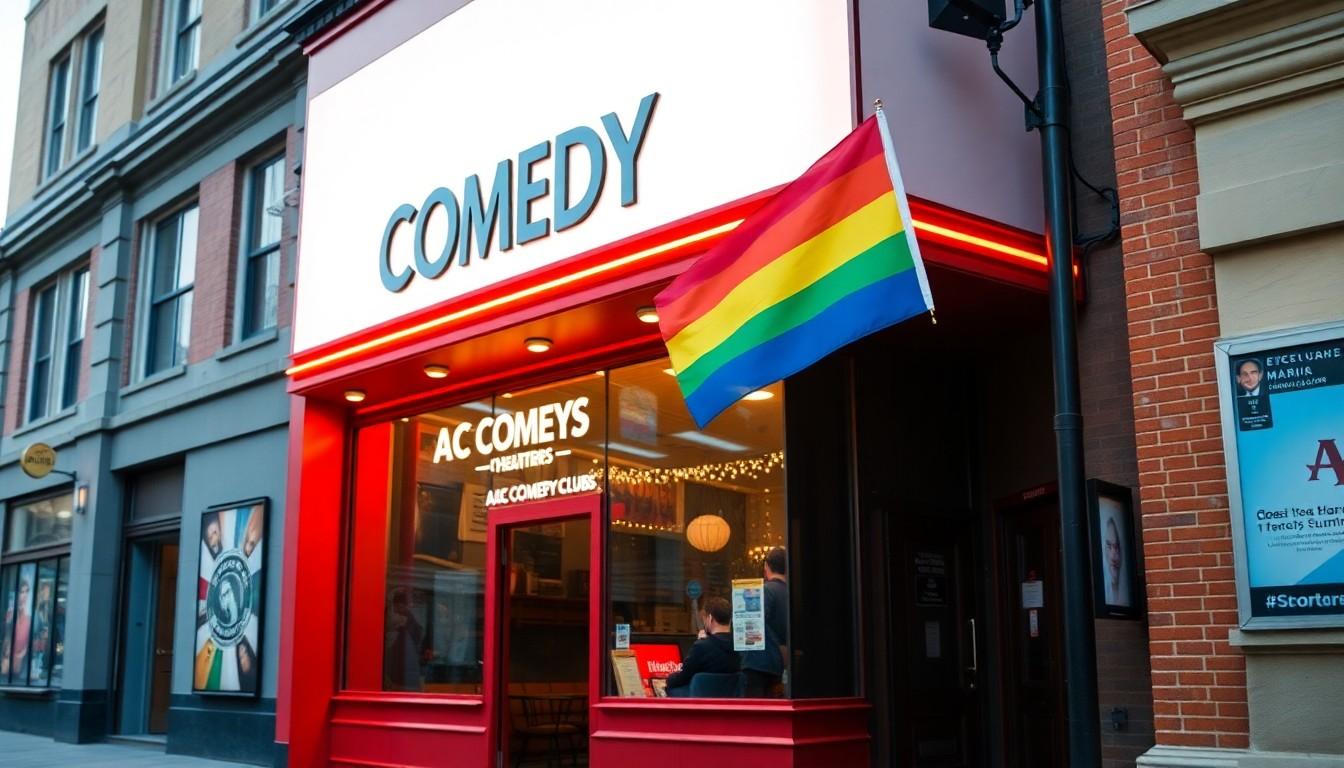
Watch how people rush to explain your identity , then flip the script. Comedian Maxx Eddy’s funny, frank take on coming out as bisexual shows why stereotypes stick, how assumptions around masculinity and monogamy trip people up, and simple, savvy ways to handle the questions that won’t make you apologise for who you are.
Essential Takeaways
- Stereotypes persist: Bisexual people face mixed assumptions , seen as secretly gay, practically straight, or inherently unfaithful.
- Gender matters: Perceptions of bisexuality are shaped by gendered expectations and ideas of masculinity.
- Monogamy myths: Worries that bisexual people can’t be monogamous are common but unfounded.
- Humour as armour: Maxx Eddy uses comedy to own his story and defuse awkward curiosity.
- Simple replies work: A light, confident retort , or a boundary , often ends the interrogation faster than explanations.
Why coming out as bi doesn’t end the questions
Maxx Eddy expected clarity when he named himself bisexual, but instead he found fresh theories about what that label "really" meant. The surprise is less about curiosity and more about how comfortable people feel imposing their narrative on someone else's life. They latch on to tidy categories , gay or straight , and struggle with anything that blurs the line, so you end up answering other people's puzzles, not your own truth.
Context matters: from childhood messages to religious backgrounds, many people absorb simple stories about who belongs where. That’s partly why Maxx, like many, misread his own feelings for years. He jokes about Googling Orlando Bloom, but the deeper point is familiar , attraction doesn’t always come with a neat box.
How gender shapes bisexual stereotypes
Research and community writing both flag a clear trend: how people read bisexuality shifts depending on who's in the spotlight. Bisexual men often face a specific squeeze between expectations of masculinity and the stereotypes of gay culture; bisexual women experience a different set of sexualised assumptions. Those gendered lenses change the questions people ask and the assumptions they make about fidelity, preference and identity stability.
So when someone tells you "you’re just going through a phase," they’re echoing a broader cultural reflex, not identifying a truth about you. Knowing that helps: this isn’t about you failing to explain yourself, it’s about them defaulting to familiar scripts.
The monogamy myth and why it hurts
A persistent worry people express to and about bisexual people is that attraction to more than one gender equals an inability to commit. That myth does real damage, from relationship mistrust to exclusion in queer spaces. Practical truth: monogamy is about choices, agreements and trust, not the number of genders someone finds attractive.
If partners bring up concerns, try practical reassurance rather than over-defending your identity: talk about boundaries, past behaviour, and what fidelity means to both of you. That turns a stigma-driven argument into a practical conversation about expectations.
Comedy, confidence and reclaiming the conversation
Maxx’s solution is both simple and clever , he uses comedy to reclaim the narrative. On stage and in conversation, he makes bisexuality part of the joke rather than the punchline. That approach has two effects: it pre-empts invasive questions with a lightness that disarms, and it signals that he’s comfortable with himself, which cools others’ curiosity.
You don’t need to be a comedian to borrow this tactic. A witty one-liner, a short boundary-setting phrase, or a calm question back to the asker can all tilt the power back to you. And sometimes the best answer is humour: it’s honest, human and hard to argue with.
Practical ways to answer the questions, without exhausting yourself
Aim for short, clear replies that protect your energy. If someone insists on parsing your sexuality, try: "I’m bisexual , that’s what I call myself," or "That’s personal; I’m not unpacking it right now." For family or partners worried about fidelity, shift gears: "I’m attracted to multiple genders, but here’s what commitment looks like to me."
If you want to educate, keep it focused: pick one myth to bust at a time , monogamy, phases, or identity erasure , and give one sentence and then stop. You owe explanations to no one, but offering a simple fact can defuse a moment and keep the peace when you want it.
It's a small change in response that can make every conversation less tiring.
Source Reference Map
Story idea inspired by: [1]
Sources by paragraph: