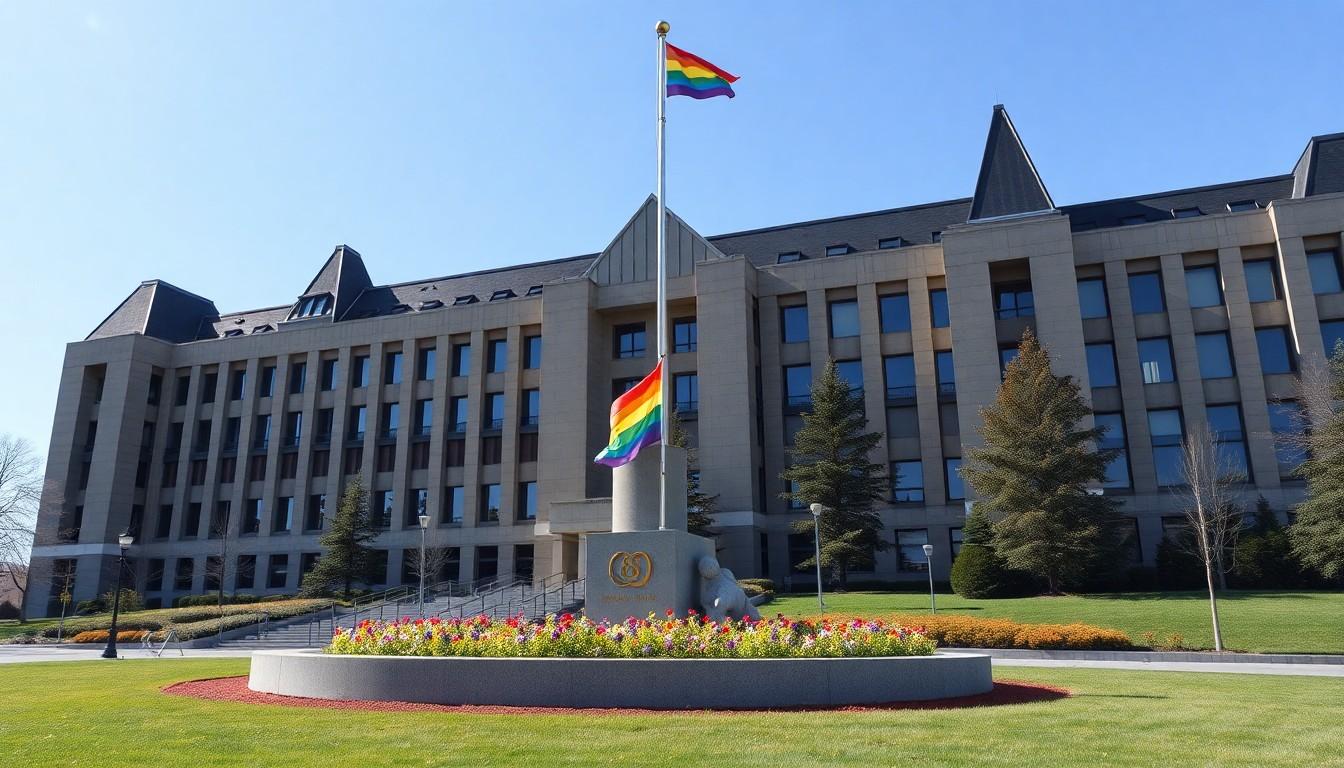
Shoppers and passersby are pausing to take in Thunderhead, Canada’s first national monument to mark 2SLGBTQI+ persecution, unveiled in Ottawa , a striking, textured steel work that honours survivors and raises public awareness about a painful past and ongoing stigma. It matters because public memory shapes policy, empathy and healing.
Essential Takeaways
- What it is: Thunderhead is Canada’s first national monument dedicated to remembering persecution of 2SLGBTQI+ people and celebrating resilience.
- Where to see it: The installation sits in Ottawa and is now open to visitors, visible and accessible for reflection.
- Design notes: Made of steel with a layered, tactile surface, the monument offers a visual of weight and weathering, inviting close inspection.
- Community impact: The unveiling included survivors, advocates and officials, signalling a shift toward official recognition and education.
- Visitor practicalities: Expect crowds on opening days; bring comfortable shoes and time to linger , the piece rewards quiet viewing.
A striking work you can see up close today
Thunderhead lands in public space with a quiet force that’s hard to ignore, its steel surfaces catching late-summer light and fingerprints alike. According to Ottawa CityNews, the monument was unveiled this morning with a ceremony attended by community members and national officials. The material choice , layered metal that looks both raw and resilient , gives the work a tactile, almost bodily presence that compels you to walk around it and read the stories it honours. If you’re planning a visit, aim for weekday mornings to avoid the biggest crowds and to get a moment of solitude for reflection.
Why Canada needed a monument like this
Public memorials shape who and what gets remembered, and Thunderhead fills a notable gap in national memory by specifically addressing persecution faced by 2SLGBTQI+ people. Coverage from InfoNews and CityNews emphasised that the site is intended not just as a reminder of past harms but as an educational tool for present and future generations. When a government dedicates public space to a marginalised community’s history, it’s both symbolic and practical: it legitimises those experiences in the national story and creates a focal point for learning and dialogue.
The story behind the sculpture and the artist’s choices
Canadian Heritage’s description explains the monument’s title and concept, noting how the form evokes gathering, storm and shelter , a visual language for trauma and community survival. The steel’s weathered look and layered composition were chosen to suggest both erosion and endurance. Media coverage in French outlets like Fugues highlighted the bilingual, inclusive framing of the dedication, reflecting Canada’s official dual-language context and the monument’s intent to speak to diverse communities across the country.
How the public and survivors reacted
At the unveiling, people who’ve lived through discrimination and activists were front and centre, sharing that official recognition can feel validating and overdue. Reports note emotional reactions , relief, pride, even sadness , which is exactly what a memorial aims to surface. For visitors, that emotional texture is part of the experience: it’s not a glossy monument for postcards so much as a place that invites slow looking and listening. If you’re bringing young people, organisers suggest preparing them for mixed emotions and using the visit as a conversation starter about rights and inclusion.
What this means going forward: education, memory, policy
Unveiling Thunderhead is a step toward normalising conversations about 2SLGBTQI+ history in public institutions. Finance-focused outlets flagged the investment and public messaging around the project, while Heritage materials outline plans for accompanying programming and education. Expect the monument to become a site for memorial events, school visits and public talks, particularly during Pride and on days of remembrance. That ongoing programming will be key: a monument without context risks becoming just a landmark, while engaged programming keeps memory alive and useful.
It’s a small change in stone and steel that can make a big difference in public memory and daily compassion.
Source Reference Map
Story idea inspired by: [1]
Sources by paragraph: