Shoppers, citizens and community groups are spotting a worrying turn: public-opinion data shows growing social distance toward LGBTQI+ people in Slovenia, and the shift matters because it affects safety, visibility and daily life for real people. Here’s what’s changed, why it’s worrying and practical steps communities and officials can take.
Essential Takeaways
- Sharp shift: Recent Slovenian public-opinion data show about 30% of respondents would not want a gay or lesbian neighbour, roughly double last year’s share.
- Broader pattern: Sociologists say this isn’t only about LGBTQI+ people , social distance has risen toward multiple minority groups, signalling wider polarisation.
- Visibility trade-off: Legal rights have improved, yet greater visibility means more obvious harassment and attacks, online and offline.
- Everyday harm: Much abuse goes unreported; victims often self-censor, change routines or avoid reporting out of fear.
- Action points: Stronger monitoring, better reporting routes, clearer law enforcement responses and community support can blunt harm fast.
How big a change is this , and why it feels so sharp
The data are striking: a sizeable portion of the public now reports not wanting LGBTQI+ neighbours, and experts describe the mood as polarised rather than simply getting worse across the board. That polarisation has an emotional feel , conversations on streets and timelines feel louder, harsher and more certain. Sociologists note a vocal minority has become louder and more organised, gaining visibility and, alarmingly, some legitimacy through sympathetic actors in politics and media. Practical take: visibility can help rights advance, but it also attracts backlash, so communities and local authorities need to plan safety and outreach in parallel.
Legal progress on paper, but lived security still shaky
Slovenia has made clear legal gains in recent years, with more protections on paper than a decade ago. Yet rights on paper don’t erase everyday exclusion. NGOs working with LGBTQI+ people report that trans and gender-diverse people, plus young and older community members, remain particularly vulnerable. That gap between law and lived safety matters: if people still hide relationships, avoid public displays of affection or alter their commute routes, the promise of equality is hollow. The practical implication is simple , laws must be backed by clear enforcement protocols and training for police, schools and health services so rights translate into safety.
When online abuse spills out into real-world harm
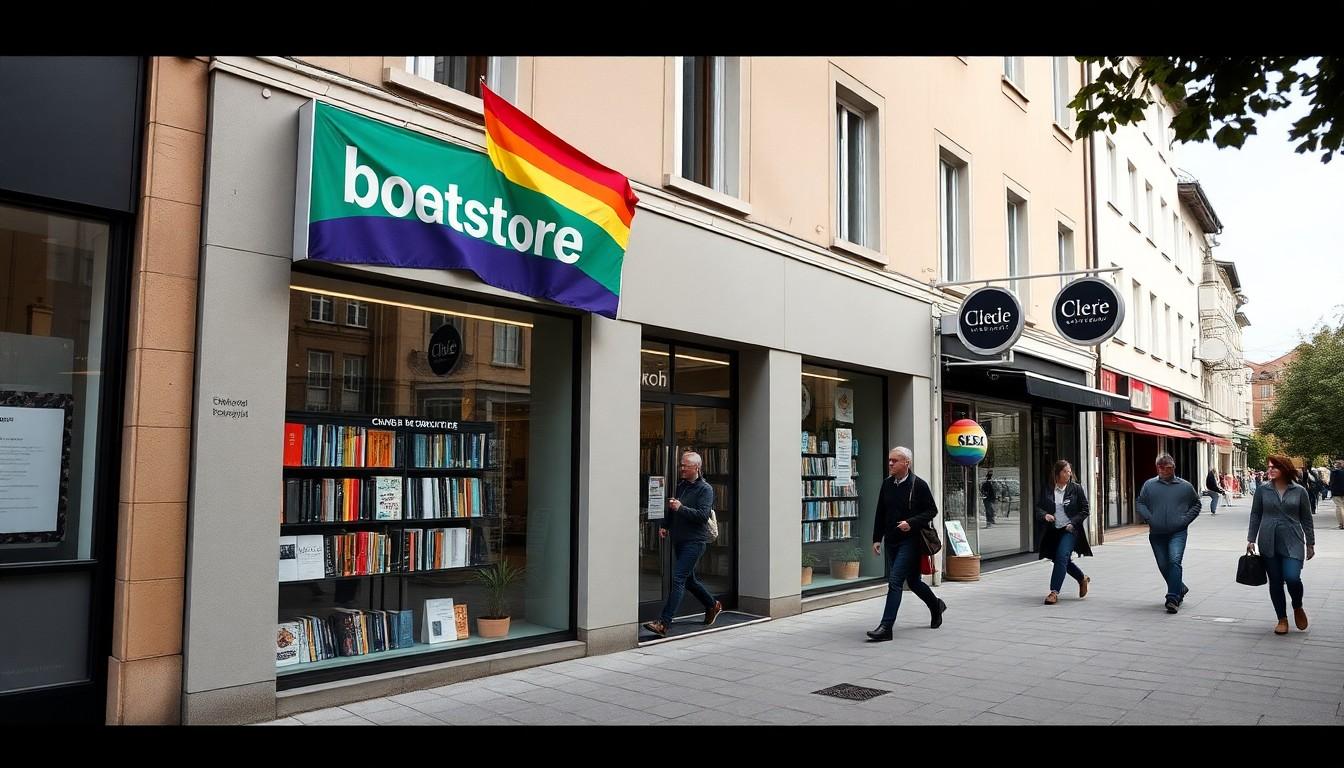
Social media has turbocharged the spread and visibility of hateful speech. Platforms reward content that provokes outrage, which can make hateful voices seem more common than they are. But the consequences aren’t virtual only: threats and organised harassment online often precede vandalism, targeted attacks on community spaces, and direct intimidation. Case in point is an independent bookshop in Maribor that has faced repeated vandalism and threats, turning a civic space into a target. Communities should treat online hate as a red flag for physical risk, and authorities need a joined-up response that traces threats and protects venues.
Why so much goes unreported , and how to change that
A major issue is under-reporting. Victims often fear being outed, retraumatised, or dismissed by institutions, and so they simply don’t file complaints. That means official statistics understate the scale of the problem and policymakers can miss patterns. Fixes are practical: anonymous reporting channels, better data collection that records hate motivation, survivor-centred police training and visible follow-up on complaints will boost trust. NGOs can play a bridging role by helping people navigate reporting and by documenting incidents to show the real scope.
What communities, officials and individuals can do next
There’s no single magic solution, but a few practical steps help immediately. Municipalities can audit public safety for venues and flagged neighbourhoods, fund rapid-response support for attacked community spaces, and back public education campaigns about diversity. Police forces should adopt consistent protocols for hate incidents and collect data by motive. Individuals can help by reporting incidents, supporting local inclusive spaces, and calling out dehumanising rhetoric when safe to do so. Above all, protecting visibility and safety together , legal rights plus active protection , is the route to making everyday freedom meaningful.
It's a small change in approach that can make every neighbourhood safer and every public space more welcoming.
Source Reference Map
Story idea inspired by: [1]
Sources by paragraph: