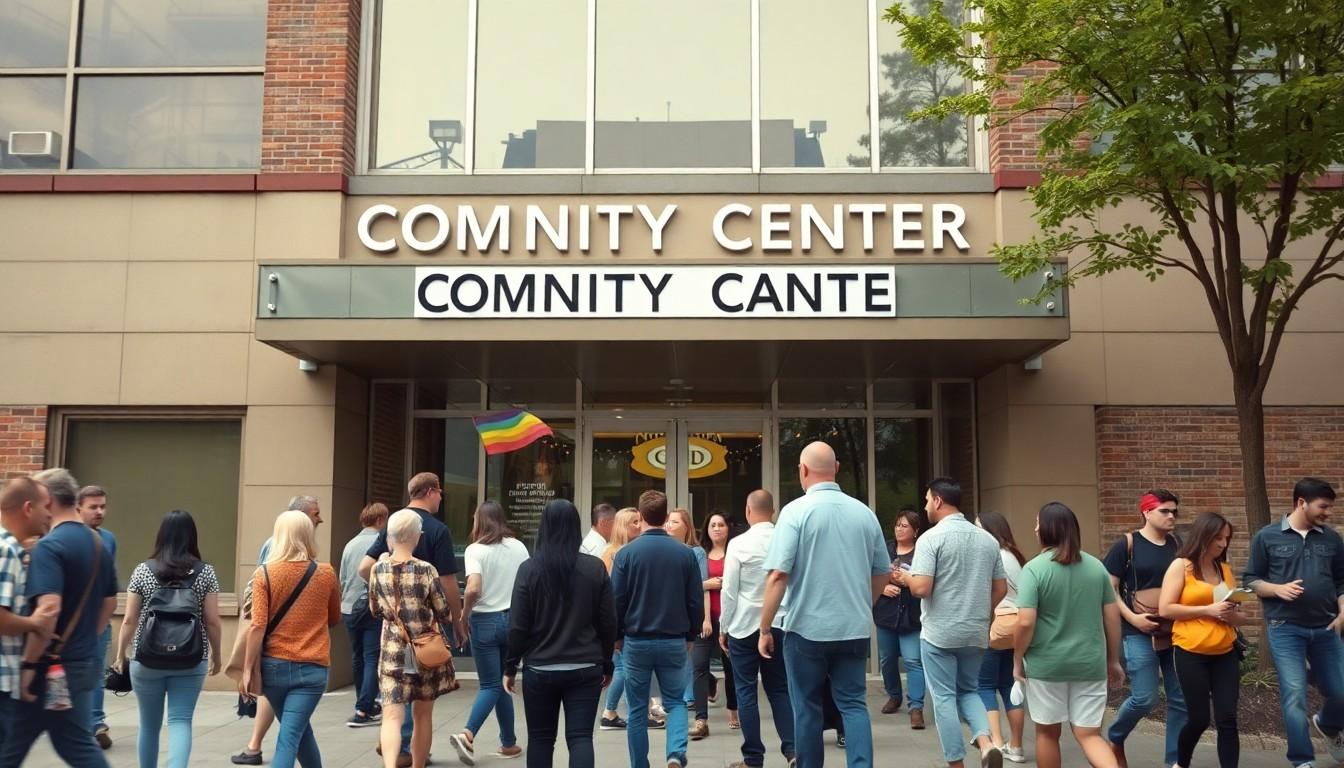
Shoppers, voters and neighbours are noticing a shift: a major new analysis finds roughly 25.6 million US adults identify as LGBTQ+, spread across cities, suburbs and small towns , a population that changes how businesses, campaigns and services should think about customers and constituents.
Essential Takeaways
- Scale: The Human Rights Campaign Foundation estimates about 25.6 million US adults identify as LGBTQ+, roughly 12% of the adult population, using Census Household Pulse data.
- Geography: LGBTQ+ adults live everywhere , more than 10% of adults in 40 states were estimated to be LGBTQ+, including many politically competitive states.
- Age skew: Around 53% of people identifying as LGBTQ+ are aged 18–34, reflecting generational differences in how people name their identities.
- Identity breakdown: Bisexual people make up the largest share, with more than 7% of adults identifying as bisexual , a reminder services must reflect diversity within the community.
- Data caveat: Different surveys produce different results; Gallup’s telephone poll finds about 9% of adults identify as LGBTQ+, highlighting how methods and questions shape outcomes.
Why this new 25.6 million figure matters right now
The headline number feels immediate: millions of people, visible in workplaces and on doorsteps. HRC’s analysis leans on more than 2.4 million responses to the Census Bureau’s Household Pulse Survey collected between 2021 and 2024, so it’s big-picture and granular at once. That scale gives the community political and economic heft , brands and campaigns can’t credibly ignore a constituency this large.
For readers, the takeaway is practical: whether you run a local cafe, manage a health clinic or plan a civic outreach campaign, assumptions about a tiny queer population no longer hold. Expect more attention to inclusive services and data-driven outreach as organisations catch up.
Where queer Americans actually live , and why that rewrites assumptions
One striking detail is geographic spread: the analysis estimated LGBTQ+ adults make up more than 10% of adults in 40 states, including Texas, Georgia and Arizona. That challenges the tidy idea that queer Americans are clustered in a handful of progressive cities.
So, if you’re a policymaker or a business owner in a swing or conservative state, this matters , there's likely a significant LGBTQ+ constituency in your area. For community groups, it means outreach should stretch beyond Pride months and city centres into suburbs and regional towns.
Young people are driving much of the visible growth
More than half of people identifying as LGBTQ+ were aged 18–34 in the HRC analysis, a pattern echoed by other studies showing younger cohorts are far likelier to use contemporary identity language. That doesn’t necessarily mean queer identities are brand new; rather, younger people have more language and social support to be open about them.
Practically, services aimed at younger adults , universities, gig-economy employers, digital healthcare platforms , need visible inclusivity. For older cohorts, underreporting remains a concern: decades of stigma mean many older adults may still feel unsafe disclosing identity in surveys.
Bisexual visibility and the importance of nuance in services
Bisexual people represented the largest single group within the analysis, with over 7% of adults identifying as bisexual. That’s important because bisexual people often face unique challenges including erasure and stereotyping.
Clinics, support groups and media should avoid lumping everyone into "gay and lesbian" boxes. Targeted outreach, representation and data collection that separates bisexual, trans, and other identities gives better visibility to distinct needs and experiences.
Why different surveys disagree , and why that doesn’t invalidate the finding
You might have seen a different headline from Gallup, which reported around 9% of adults identify as LGBTQ+. That discrepancy isn’t a contradiction so much as a methodological difference: Gallup used telephone interviews with about 13,000 adults in 2025, while HRC used millions of Household Pulse Survey responses from 2021–24.
Wording, mode of survey, and the social context when questions are asked all shape results. Still, both studies point to millions of people across the country and a strong generational shift toward openness , and that’s the core story worth acting on.
Data politics: why collecting these numbers still matters
Federal data collection has been under pressure, with dozens of federal surveys removing sexual orientation and gender identity measures since 2025. Without those questions, it’s harder to spot disparities in healthcare, housing, employment and violence.
Researchers and advocates warn that removing data doesn’t make people disappear; it makes them invisible to policymakers. For anyone involved in public health, local government or corporate DEI work, supporting robust, respectful data collection is now a civic as well as professional priority.
It’s a small change that can make large decisions fairer for millions.
Source Reference Map
Story idea inspired by: [1]
Sources by paragraph: