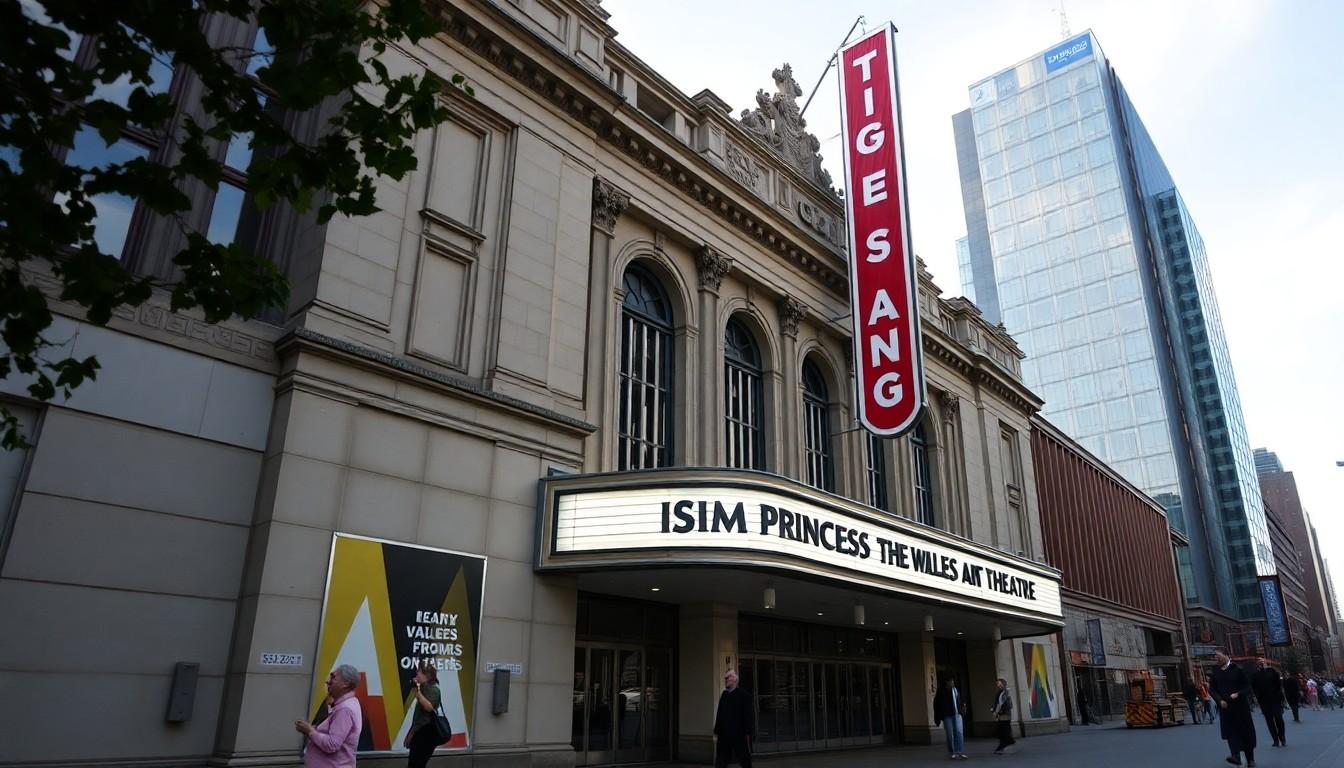
Shoppers and cinephiles are already circling TIFF’s 2026 schedule , this year’s queer slate mixes tender homecomings, radical joy and hard truths. From animated family reckonings to intimate stories of parenthood and the legacy of AIDS, these six films show how 2SLGBTQIA+ cinema is both playful and necessary.
Essential Takeaways
- Broad scope: Six TIFF 2026 queer titles span animation, drama and comedy, offering varied tones from tender to electrifying.
- AIDS-era focus: Several films revisit the 1980s crisis with emotional depth and sensory detail , grief, nightlife and memory all surface.
- Parenthood themes: Two movies centre on unexpected parenthood and family care, exploring masculinity, pregnancy, and caregiving.
- Standout styles: Expect striking visuals , dreamlike period pieces, kinetic club scenes and evocative black-and-white animation with colour bursts.
- Accessible screenings: Multiple titles have repeat screenings and some features include captions or live captioning for accessibility.
Why TIFF’s queer lineup feels urgent and alive
TIFF 2026 has curated a queer programme that’s as varied as it is emotionally rigorous, and you can practically feel the city buzzing with it. Films range from the raucous warmth of club rooms to hushed, elegiac meditations on loss, so there’s something for anyone wanting a laugh, a cry, or both.
The focus on different eras and identities , 1980s New York and London, 1990s San Francisco, and contemporary rural America , means the festival isn’t trading one tone for another; it’s building a conversation across time. If you’re planning your festival itinerary, balance the heavy with the light: follow a grief-centred premiere with a comedy set in a nightclub for emotional equilibrium.
The Man I Love: art, love and the shadow of AIDS
The Man I Love centres on an artist’s final, incandescent years during the AIDS epidemic, and the film keeps creativity at its emotional core. It follows Jimmy, an actor and performance artist, whose illness is central but not the whole story; the film lingers on community, caregiving and the odd salvation of making work under pressure.
This portrait approach gives the movie a tender but clear-eyed feel , you’re invited into rehearsal rooms and hospital beds with the same closeness. If you want to watch a film that treats the era’s cultural life with both sorrow and a fierce affection for art, this is it. Book tickets early for the Princess of Wales and Lightbox screenings.
Club Kid: messy parenthood meets New York club ecstasy
Club Kid flips the expected party movie into something unexpectedly sweet when a carefree club promoter discovers he’s the father of a ten-year-old. The film pairs kinetic visuals with real tenderness, as a party life collides with parental responsibility and a young DJ-in-the-making becomes the emotional centre.
Critics in Cannes praised its affectionate portrait of queer community and energetic style, and industry write-ups note Jordan Firstman’s central performance carries both the comic and the humane beats. For festival-goers who want a film that’s loud, stylish and surprisingly moving, this one’s a late-night crowd-pleaser.
Trash Mountain: coming home, clearing out and finding softness
Trash Mountain makes hoarding and inheritance feel almost comic and deeply human at the same time. A drag-show emcee returns to rural Missouri after his hoarder father’s death, and the sorting of belongings becomes a sorting of memory and grudges.
The film stages grief through both cluttered physical space and the quieter spaces between siblings, and performances are described as winsome rather than overwrought. If you’re intrigued by queer stories that meet conservative hometowns halfway , and relish sharp humour alongside tenderness , this world-premiere title is worth the early booking.
Ancestors: 1980s London, loss and the language of longing
Ancestors is a dreamlike search story set in 1980s London, where one young man’s hunt for a missing friend unfurls into a meditation on memory and the lingering effects of AIDS on a generation. The film is often described as haunting and beautifully rendered, with a strong sense of place , the streets, cafés and cruising spots feel lived-in.
This is the kind of film that rewards attention: it’s about what’s left behind as much as what’s lost, and it traces queer subcultures and language with care. Expect a tender, sometimes melancholic experience that lingers after the credits.
I Am Mario: pregnancy, masculinity and a different kind of fatherhood
I Am Mario centres on a transgender man who becomes pregnant and must negotiate identity, stigma and the practical realities of becoming a parent. The film focuses on how masculinity and parenthood can be reimagined rather than erased, and it’s anchored by a performance that brings quiet dignity to complex choices.
For viewers curious about contemporary trans experiences on screen, this feels like a necessary and compassionate portrait. It asks the simple but powerful question: what happens to expectations when someone does the unexpected? It’s also a reminder of how festival programming can broaden public understanding through intimate stories.
Tangles: animation that makes caregiving feel vivid
Tangles adapts a graphic memoir about a daughter watching a parent slip into Alzheimer’s, translated into striking black-and-white animation with moments of colour. The effect is both visually arresting and emotionally precise: humour and heartbreak sit side by side, and the voice cast brings warmth to difficult scenes.
This film shows that animation isn’t only for children; it’s a superb medium for memory and fragmentation. If you want a film that’s formally daring but deeply human , and that makes caregiving look like a messy, loving work , Tangles is a festival highlight.
Closing line See a couple, then see the rest , TIFF’s queer programme this year is a small, fierce season of films that’ll stay with you off the streetcar and into the night.
Source Reference Map
Story idea inspired by: [1]
Sources by paragraph: