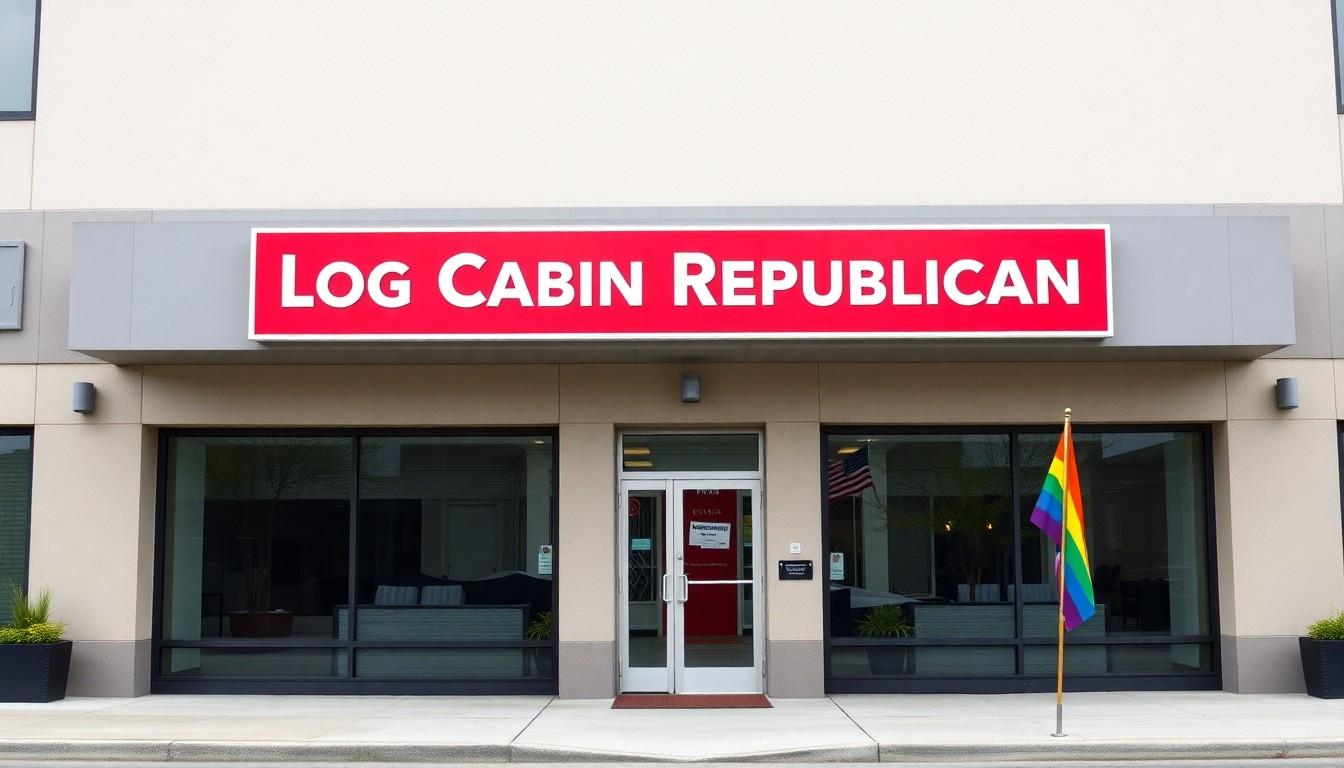
Shifts are underway: the Log Cabin Republicans, a long-standing group for gay conservatives, has announced it will no longer advance transgender-specific issues , a move that reshapes its identity, invites debate within the party, and matters for LGB activists and allies across the US.
Essential Takeaways
- Policy change: The Log Cabin Republicans revised their national mission to focus on sexual orientation (LGB) and conservative principles, removing transgender advocacy.
- Leadership rationale: President Ross Hemminger cited concerns about the movement’s emphasis on minors, sports, and medical treatments as drivers of the decision.
- Membership stance: The organisation says membership remains open to all allies, and local chapters retain autonomy in how they operate.
- Reaction mix: Some former leaders and LGBTQ advocates expressed disappointment, arguing the move narrows the group’s historic “big tent” role.
- Context: The change comes amid national debates and recent court and federal actions on transgender youth, sports, and medical access.
What exactly changed and why it matters
The Log Cabin Republicans announced they will concentrate their national advocacy on lesbian, gay and bisexual issues, stepping back from transgender-focused work. The group’s president framed the shift as a response to what he described as a new phase of gender politics , one that he says prioritises minors and questions about sporting fairness and medical interventions. This isn’t just an internal tweak; it redraws a familiar conservative LGBTQ voice at a moment when US policy and public feeling are sharply divided.
Historically the organisation staked out a unique position: pro-LGBT rights but aligned with Republican politics. So when a leading group pivots away from the T, it signals to lawmakers, donors and voters that there’s less intra-party pressure from this quarter on transgender issues. That can affect local and national debates about school curricula, sports policy and healthcare for young people.
Leadership’s reasons and the response from members
Leaders framed the decision as philosophical and strategic rather than exclusionary. They argued the mission update restores the group to what they see as its founders’ intent , defending sexual-orientation rights while upholding conservative values. At the same time, critics within and beyond the organisation called the choice disappointing, saying it narrows the coalition that once helped broaden Republican approaches to LGBTQ rights.
For members weighing their options, it’s a practical fork in the road. Some chapters or fundraising partners may prefer the narrower mission; others will push back, arguing that excluding transgender issues undermines solidarity and long-term credibility with young voters and potential allies.
How this fits into the wider political landscape
The move comes as courts and federal policy makers wrestle with transgender-related questions , from bans on transgender athletes in women’s sports to limits on certain medical treatments for minors. Political groups, state legislatures and federal agencies have taken a range of positions, and a major Republican-aligned LGBTQ group changing course adds another layer to that patchwork.
Expect competing narratives: some conservatives will applaud a focus on sexual orientation and traditional values, while LGBTQ advocates warn the change could legitimize policies that leave transgender people more exposed to legal and social challenges. For journalists and activists, it sharpens the lines about which Republican voices represent which parts of the LGBTQ community.
Practical implications for activists, allies and donors
If you’re an activist, donor or ally, this decision changes where you might direct energy and funds. Those who want full-spectrum LGBTQ advocacy may look to other organisations that explicitly include transgender rights in their mission. Meanwhile, donors focused on conservative alignment with LGB issues might see the Log Cabin’s shift as welcome clarity.
Local chapters keeping autonomy means grassroots supporters can still work on transgender concerns at the community level if they choose. So, before changing support, check what your local chapter is doing , it may still be active on issues that matter to you.
What to watch next
Keep an eye on membership trends, chapter-level responses and whether other conservative LGBTQ groups follow suit or publicly disagree. Also watch how lawmakers and judges react: a high-profile organisational change can influence legislation and legal arguments, especially in states where trans issues are front and centre.
Ultimately, this decision is part of a broader national conversation about identity, rights and politics. It might calm some internal tensions, but it will also prompt deeper debate about who represents LGBTQ conservatives and how inclusive that representation should be.
It's a small organisational change that could have outsized political ripple effects , worth watching if you care about LGBTQ rights, conservative politics, or both.
Source Reference Map
Story idea inspired by: [1]
Sources by paragraph: