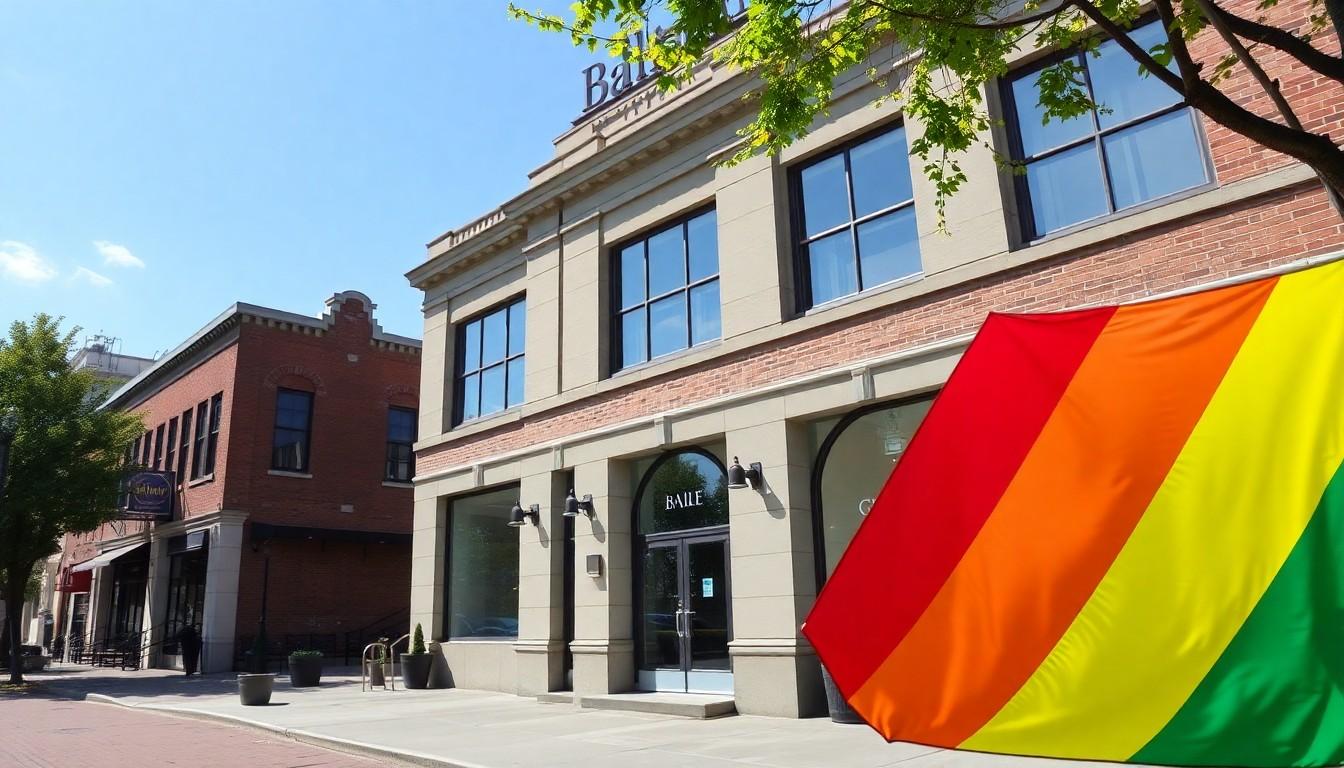
Shining a spotlight on Memphis’ LGBTQ+ scene, the Focus Awards 2026 gathered community leaders, artists, businesses and advocates at Ballet Memphis to mark ten years of Pride and progress , a night that mattered because it recognised the people and places keeping the Mid‑South community vibrant and visible.
Essential Takeaways
- Anniversary moment: The Focus Awards marked their 10th annual ceremony at Ballet Memphis, a venue with a long relationship to the event. The evening felt celebratory and warm.
- Championing impact: Dr Latrice Pichon won Champion of the Year for community health work; she’s known for HIV prevention research and partnerships with faith communities.
- Arts and nightlife recognised: Zoey Adams took Performer of the Year; long‑standing venues like The Pumping Station and Lamplighter Lounge were finalists or honoured for community building.
- Business and advocacy: The MidSouth LGBT Chamber awards continued, with Jasmine Tasaki winning Advocacy in Business and recognition for locally rooted organisations and entrepreneurs.
- Community heart: Legacy and service awards honoured long‑term builders , Audrey May (Legacy) and Anthony “Ladybug” Hardaway (Heart of Gold) , adding a sense of continuity to the evening.
A decade in one theatre: why Ballet Memphis still feels right
The strongest image from the night was simple: colourful people filling Ballet Memphis, laughing and congratulating each other, the room smelling faintly of catered bites and summer afterparty energy. Focus has used Ballet Memphis as its awards home for several years, and that continuity matters. According to event coverage, the venue has become familiar and reliable, giving the ceremony a grown‑up but celebratory tone. So if you’re thinking about attending next year, expect a mix of formal recognition and relaxed community vibe , and wear comfortable shoes for standing, hugging and dancing between presentations.
Awards that map a whole community, not just one scene
The Focus Awards don’t limit themselves to nightlife or politics; the winners list reads like a cross‑section of Memphis life. From public‑health researchers to drag performers, from small businesses to long‑running bars, the night recognised many ways people keep the community functioning and visible. This matters because community strength isn’t one thing. If you’re nominating someone next year, think beyond headline names: a volunteer coordinator, a creative entrepreneur, a business owner who hires inclusively , each can be a lifeline for others.
Spotlight on winners: Dr Latrice Pichon and Zoey Adams
Dr Latrice Pichon’s Champion of the Year award highlights how rigorous public‑health work can be community work too. Her research on HIV prevention and engagement with Black faith communities shows impact happens when scholarship meets lived experience. On the creative side, Zoey Adams winning Performer of the Year underlines how performance is also activism. Adams uses her platform to create opportunities for other Black and POC performers, reminding us that talent and mentorship often travel together. If you value representation, look for events and fundraisers produced by performers , they frequently reinvest in community causes.
Business, advocacy and bridge building: the Chamber partnership
For the second year, Focus teamed with the MidSouth LGBT Chamber of Commerce to hand out business‑focused awards. That partnership signals an important trend: LGBTQ+ community health includes economic opportunity. Winners like Jasmine Tasaki show the overlap between public‑health leadership and organisational strategy, while awards for businesses and lenders remind us everyone needs places to work, bank, buy and hire. If you run a business, consider joining local chambers or sponsoring community events , it’s practical visibility and a way to build trust.
Remembering the past while building the future
The Legacy Award for Audrey May and the Pioneer recognition for Reverend Edie Love and others underlined a simple truth: present progress sits on past labour. Those honours were less about trophies and more about keeping memory alive. Events like these also function as archive: conversations about early Pride, oral histories, and local leadership get collected and shared. For anyone interested in joining civic life, listening to those stories is a fast route to understanding where the community has come from and where it needs to go next.
It's a small change that can make every contribution visible and valued.
Source Reference Map
Story idea inspired by: [1]
Sources by paragraph: