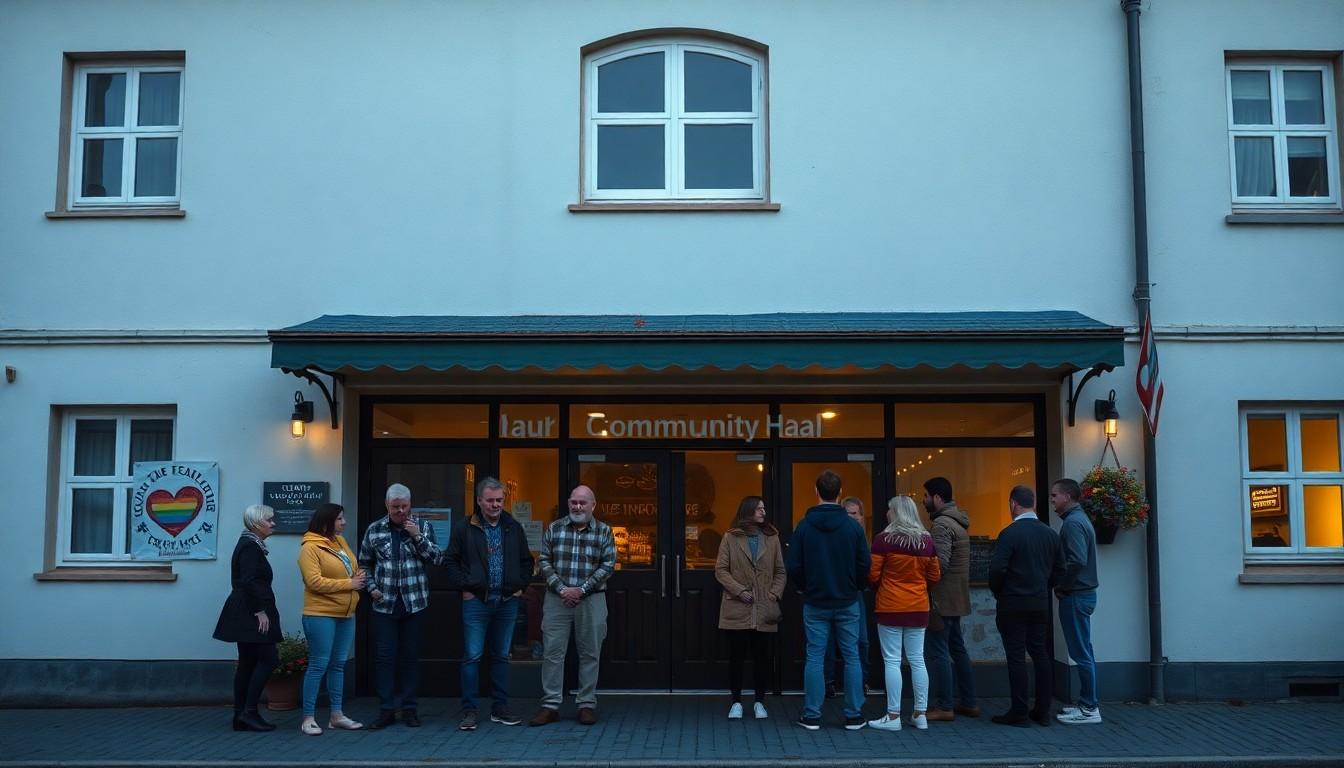
Shining a light on the people who still organise Pride in small-town Saxony‑Anhalt , volunteers, community hubs and battered banners , and why their work matters now, as threats rise and security plans grow ever more complex.
Essential Takeaways
- Rising threats: Right‑wing attacks on CSDs have increased in eastern Germany, forcing new security measures and planning.
- Volunteer backbone: Most CSDs in smaller towns run on tiny budgets and unpaid organisers who juggle fear and commitment.
- Practical security: Police roadblocks, vehicle barriers and designated liaison officers for LGBTQI* needs are now standard.
- Community effect: Despite risks, many locals and families now show up in bigger numbers , solidarity often wins.
- Legal stakes: How a city classifies a Pride event (assembly vs commercial festival) affects policing and funding.
Why small towns feel the squeeze , and what that looks like on the ground
Organisers in places like Köthen and Magdeburg say the atmosphere has shifted: there’s an edge you can almost feel when flags go up, a mixture of pride and guardedness. According to regional reporting and security analyses, CSDs in eastern states face more frequent disturbances from organised right‑wing groups, which changes how demos are staged and policed.
That pressure landed in practical ways: more permits, stricter separation of demo and festival areas, and calls for expensive vehicle barriers. For volunteer teams this means more paperwork, more negotiation with authorities and less margin for spontaneous celebration.
Practical tip: If you’re part of a small‑town organising team, document every conversation with officials and keep a central checklist for permits, barrier needs and insurance , it saves time and stress when things get last‑minute.
Who keeps Pride running , the volunteers, pubs and local heroes
CSDs outside major cities often rely on a handful of committed people and local allies , from the youth club that lent a room, to the Irish pub that hosts the afterparty. Organisers balance daily jobs with planning, deal with online hate, but still come because the events give people visible support and connection.
This grassroots model keeps costs low but makes events vulnerable: limited budgets mean security purchases or private guards are rarely affordable without help. Still, community contributions , grilled sausages by the fire brigade or baklava from an intercultural centre , make the day feel like everyone’s.
Practical tip: Build a local sponsor list early and offer low‑cost in‑kind options , equipment loans, volunteers, or a venue for post‑event debriefs.
Security has changed , more blocks, more police, more planning
After attacks on public gatherings, police in Saxony‑Anhalt stepped up protection: more officers at big CSDs, roadblocks that stop vehicles, and designated police liaison officers for LGBTIQ* issues. These liaison roles can help organisers explain why queer visibility matters and advise on how to allow expression while managing risk.
But security has trade‑offs. Heavy fortifications can make Pride feel defensive rather than joyful. Organisers worry about “einemauern” , turning a celebration into a fortress , and try to balance safety with openness.
Practical tip: Work with liaison officers to map safe movement routes for participants and agree on pick‑up/drop‑off zones so public transport users aren’t left isolated.
Politics and legal angles , classification, funding and the AfD effect
Whether a street festival is treated as a political assembly or a commercial event matters for who pays and which rules apply. Some authorities have tried to reclassify CSD stages and stalls as non‑political; that can reduce police support and increase costs for organisers.
At the same time, rising support for parties hostile to queer rights raises concern that institutional protections could be weakened. Local organisers say this uncertainty makes negotiations with city halls harder and increases the emotional toll on volunteers.
Practical tip: Keep clear records showing the political aims of your programme and invite elected officials to speak publicly; visibility in municipal processes strengthens your legal position.
Why people still show up , the solidarity that keeps Pride alive
Despite threats, many CSDs have seen steady or even increased turnout after incidents , families, allies and newcomers arriving to signal that queer life won’t be pushed out. For organisers, that public support is the most energising reward after months of preparation and worry.
The human payoff is obvious: people tell organisers their presence at Pride helped them come out, find community, or simply breathe easier. That personal impact is why volunteers persist, even when they can’t guarantee everyone’s safety the way they once could.
Practical tip: Prioritise clear arrival and departure information for participants, especially younger people, and set up visible helper points so anyone who’s anxious or needs a quieter space can find support.
It's a small change that can make every Pride safer and more welcoming.
Source Reference Map
Story idea inspired by: [1]
Sources by paragraph: