Shining a light on shrinking representation, filmmakers and stars are warning that fewer Black LGBTQ+ roles on screen narrows possibilities for everyone , and the change is already being tracked by industry reports and festival conversations.
Essential Takeaways
- Sharp decline: GLAAD’s latest report finds a marked drop in LGBTQ+ characters of colour in major-studio films, signalling shrinking visibility.
- Intersectional gap: Trans characters were absent across the analysed films, while portrayals of people with HIV were almost non‑existent.
- Festival pushback: Panels and festivals are spotlighting the problem and calling for stories that show joy, love and everyday life, not just trauma.
- Health link: Reduced representation matters beyond culture , it affects public understanding of real community health issues.
- Practical ask: Creators and commissioners are urged to greenlight more varied Black queer narratives, including love stories and hopeful portraits.
Why the numbers are worrying , and what they feel like on screen
The most striking fact is simple and jarring: major-studio film analysis shows a clear decline in representation for LGBTQ+ people of colour, which translates into far fewer faces and stories to recognise yourself in. According to GLAAD’s annual survey of studio releases, the count of LGBTQ+ characters of colour fell substantially compared with the previous year. The metric is more than spreadsheet fodder; it means fewer moments where a young person or a parent can see their life reflected. This drop creates an emptier cultural landscape, and it leaves viewers with less choice about the kinds of queer lives they can imagine.
Festivals and panels are picking up the slack , with passion and nuance
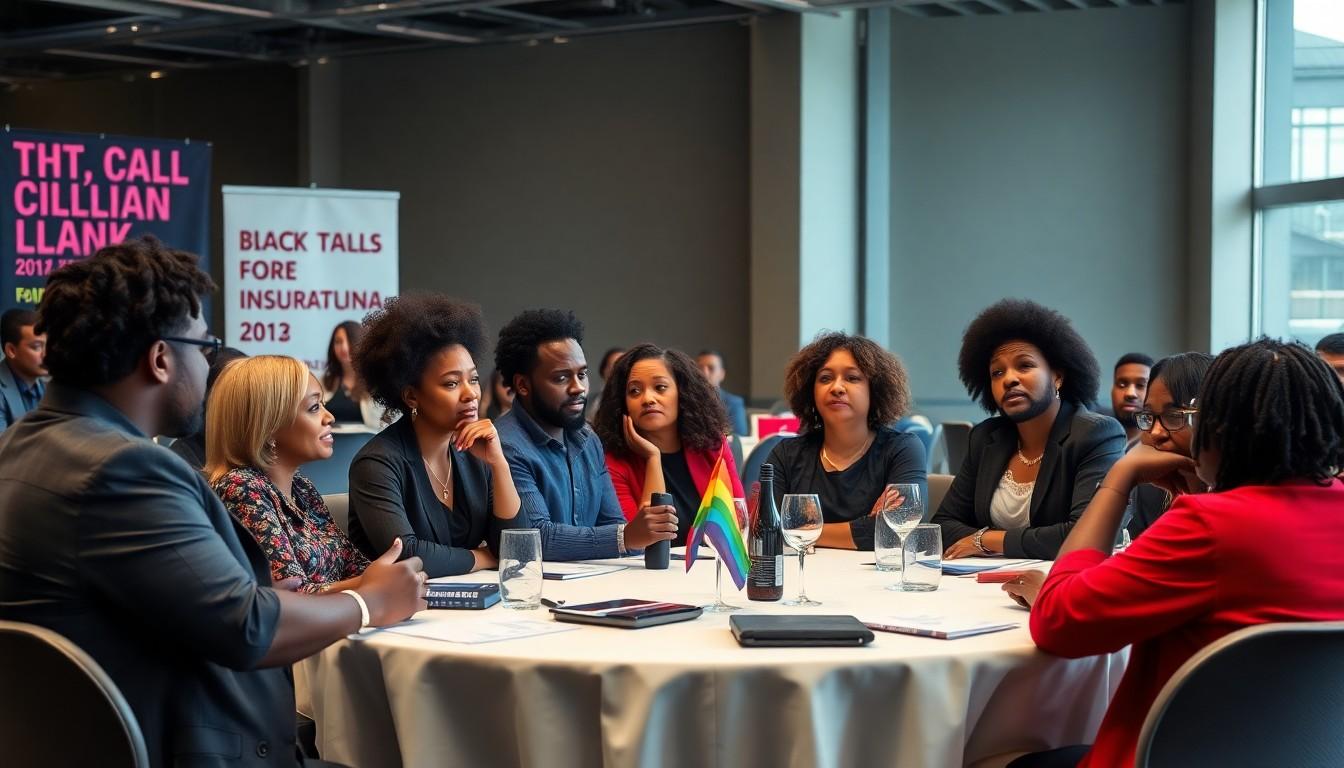
Across events like the Martha’s Vineyard African‑American Film Festival, actors and filmmakers are turning the conversation from statistics to lived experience. Laverne Cox and fellow panellists used that platform to argue that representation isn’t about being uniformly “positive” , it’s about breadth, possibility and the human detail that makes viewers feel seen. Festival showcases and curated programmes can’t replace mainstream screen time, but they do provide urgent visibility and nurture projects that might otherwise be sidelined. Audiences respond to that authenticity, and festivals help prove there’s an appetite for stories beyond trauma.
It’s about more than identity , there’s a public‑health angle, too
Representation affects perception, and perception affects policy and care. Health organisations emphasise that issues like HIV disproportionately impact Black communities, yet screen portrayals barely mirror that reality: very few characters with HIV appear in recent studio films. Public understanding and empathy can shift when audiences see nuanced depictions of people living with health conditions, not caricatures or silence. That’s why health advocates and media groups are pressing for narrative diversity , film and TV can humanise complex stories and reduce stigma.
What creators and commissioners are being asked to do
The call from activists and industry figures is practical and specific: fund a wider range of writers and directors of colour, cast authentically, and greenlight stories that show joy, routine, romance and family life for queer people of colour. Filmmakers like Nneka Onuorah are deliberately making work that centres hope and repair, arguing that showing pathways to healing is as necessary as depicting struggle. For commissioners, the takeaway is simple , diverse storytelling is not just ethical, it’s commercially viable, and it builds long‑term audiences who want to see themselves represented fully.
How viewers and supporters can help right now
You don’t need an industry job to push this forward. Seek out and stream films and series made by Black LGBTQ+ creators, recommend them to friends, and support festivals and indie releases that program these stories. When you spot a missing portrayal , of trans lives, of queer joy, of people living with HIV , amplify creators who do it well. Industry pressure works, but audience attention and spending help make the case in a way that executives understand.
It's a small change that can make every story feel a little more possible.
Source Reference Map
Story idea inspired by: [1]
Sources by paragraph: