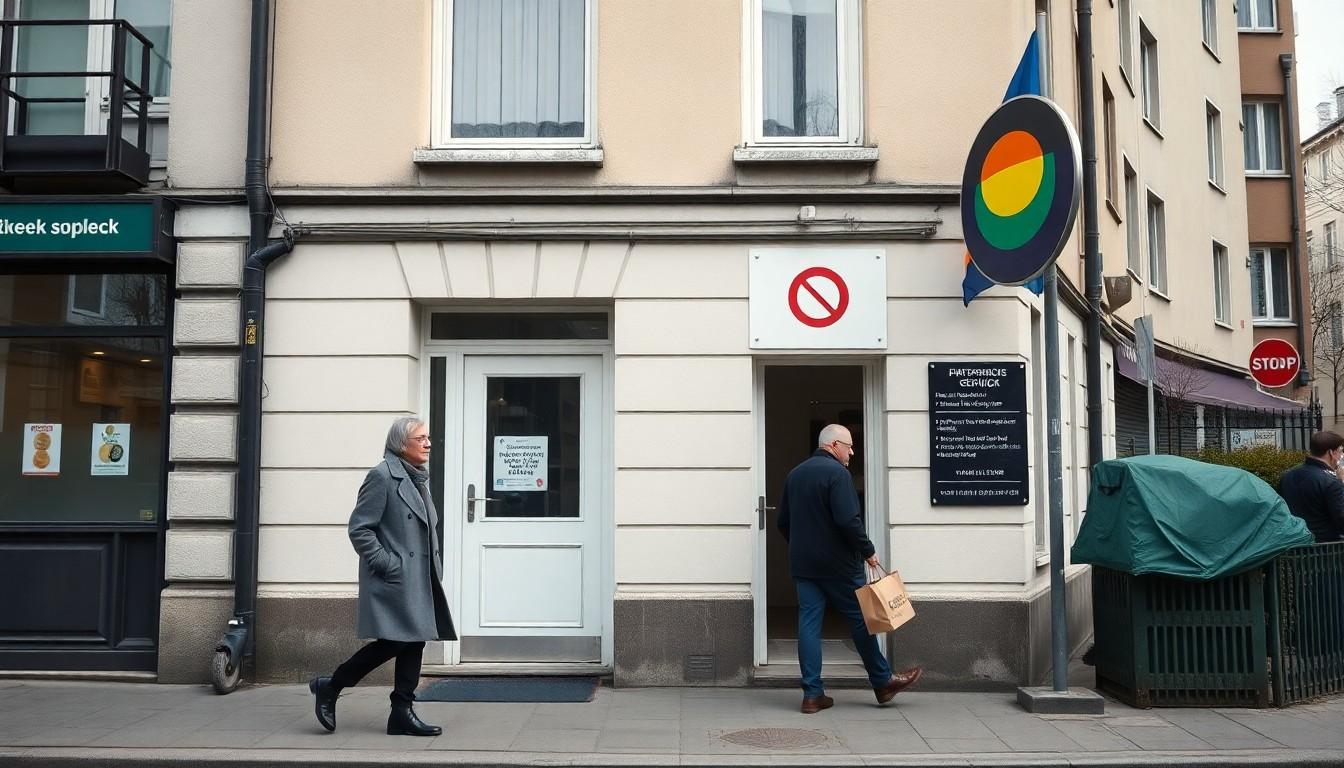
Shoppers and citizens alike are noticing a hard truth: queer people face unique risks of homelessness and often avoid shelters. Across Berlin and in national policy talks, advocates say targeted Housing First schemes matter because general measures miss the specific barriers trans, non‑binary and queer people face.
Essential Takeaways
- Disproportionate risk: Queer people are overrepresented among the homeless in Berlin yet under‑served by mainstream shelters, creating hidden hardship.
- Shelter fears: Many avoid emergency accommodation due to gendered rules and staff uncertainty, so they couch‑surf or stay in unsafe situations.
- Housing First impact: Berlin’s queer Housing First pilots place people directly into homes with their own tenancy, producing faster stability and dignity.
- Policy gap: The federal action plan lists many measures but includes few specifically for queer people, prompting calls for tailored support.
- Practical wins: Separate tenancy, optional support and sensitivity training for staff are practical levers with immediate benefits.
Why queer people often stay hidden and unsafe
The clearest point is simple and upsetting: many queer people prefer invisible homelessness to the risk of discriminatory encounters, and that feeling has a texture , the quiet dread of being misgendered or exposed. According to local studies and service providers in Berlin, about 15% of people experiencing homelessness identify as queer but represent only some 5–6% of those using shelter services. That gap shows up as couch‑surfing, staying in abusive flats or simply avoiding help. Advocates say this pattern isn’t about choice so much as survival tactics in a system that feels unsafe.
How shelters’ binary rules push people away
A common driver is the strongly gendered setup of many temporary accommodations. Staff are often unsure how to apply new legal frameworks on gender identity in practice, and fear or myths about safety can lead to transgender women being turned away. That leaves trans, intersex and non‑binary people particularly exposed. The result is a two‑fold failure: the state provides emergency places yet those same spaces can retraumatise the people they should protect. Sensitising staff and changing intake policies are straightforward fixes that would make a real difference.
What Housing First actually does , and why it matters
Housing First flips the usual script: people are given a home first, without preconditions like sobriety or mandatory therapy, and support follows. In Berlin there are six providers working this way, and since 2023 the Schwulenberatung Berlin has run a queer stream. The practical difference is tangible , people hold their own tenancy, receive optional support, and no longer need to negotiate gendered dorms. That stability reduces crises and empowers people to rebuild other parts of life. For busy service teams, the model is also easier to manage: housing plus voluntary help beats rotating emergency placements.
Where the federal plan falls short , and what activists want
The National Action Plan against Homelessness set an ambitious target to end homelessness by 2030, but campaigners argue its annual measures for 2026 largely ignore the specific needs of queer people. The federal response to parliamentary questions confirms that queer people are considered a group that needs protection, yet no distinct federal measures have been rolled out. Green MPs and homelessness rapporteurs call this a PR gap: broad policies won’t fix problems rooted in homophobia and transphobia. Concrete asks include ring‑fenced funding for queer programmes, national guidance on inclusive shelter practice, and monitoring to capture sexual orientation and gender identity data sensitively.
Practical advice for providers and people seeking help
If you work in homelessness services, start with staff training and review your intake rules so they don’t force people into binary spaces. Separate tenancy models and Housing First funding can be prioritised for queer applicants, and outreach should include quiet routes for those couch‑surfing. If you’re a queer person facing housing insecurity, look for queer‑focused Housing First projects, contact local LGBTQ+ counselling centres and ask about single‑occupancy or women‑only options where appropriate. Small administrative changes , a neutral intake form, a staff briefing, a clear anti‑discrimination policy , can make shelter life livable.
It's a small shift in approach that can make every roof feel like a refuge instead of a risk.
Source Reference Map
Story idea inspired by: [1]
Sources by paragraph: