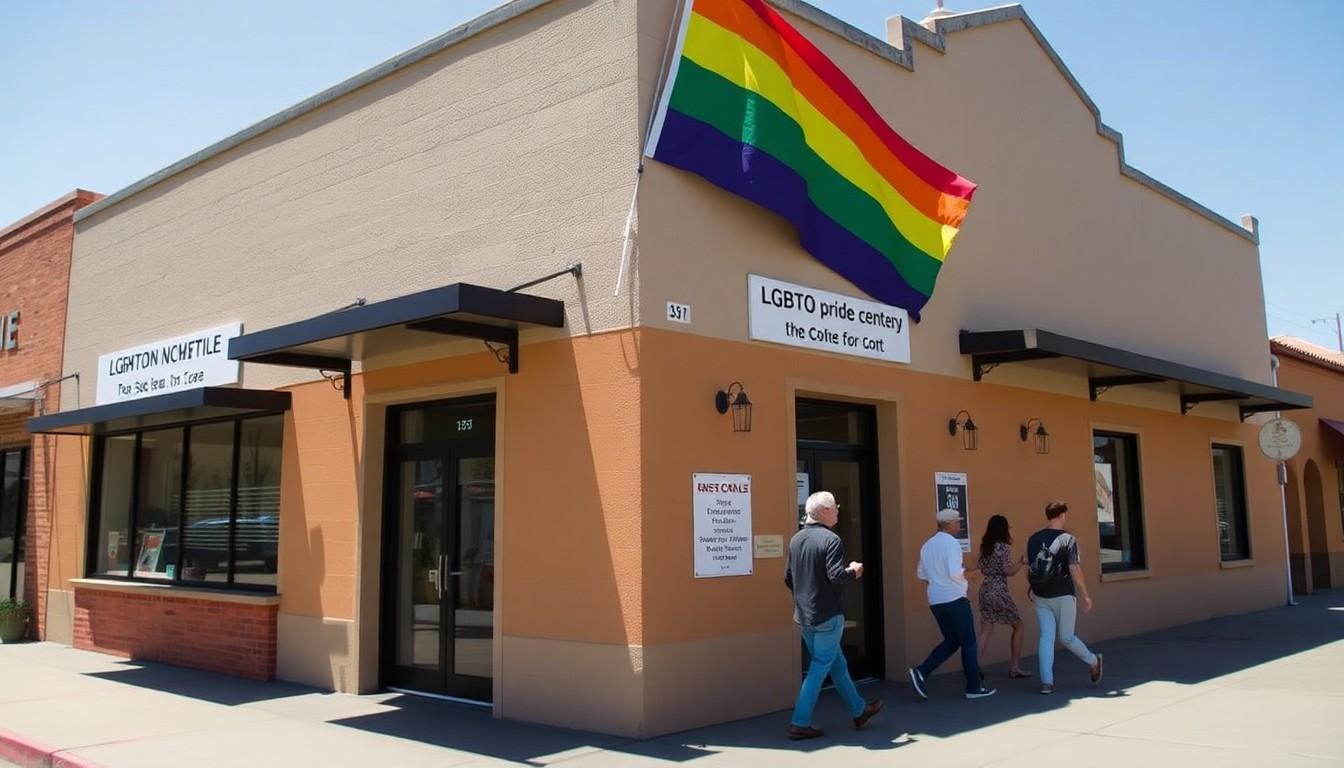
Shoppers, donors and neighbours are stepping up as the San Joaquin Pride Center in Stockton races to cover a sudden funding gap, a vital move that matters because mental health and culturally competent care for LGBTQ people are at stake. The centre has launched a $200,000 bridge fundraiser to carry services through next year while state and federal funding is sorted.
Essential Takeaways
- Immediate shortfall: The centre can operate only through October without extra money, so urgent funds are needed to avoid service cuts, especially counselling.
- Funding change: A major grant ended a year early due to federal and state funding shifts, leaving an unexpected gap.
- Community impact: Local clients say culturally competent therapy at the centre is crucial for healing and connection.
- Fundraiser goal: The Pride Centre aims to raise $200,000 in bridge funding to sustain programs until new grants arrive.
- Wider context: California mental‑health and substance‑abuse funding is in flux, affecting nonprofits across the region.
Why this fundraiser feels urgent , and what it looks like
The immediate fact is blunt: the Pride Centre has money to cover operations only until October, and the thing that will be cut first is mental‑health counselling. That’s a detail that hits you in the chest when you hear clients describe therapy as a place where they finally feel understood. According to local reporting, the centre’s large grant through the Sierra Health Foundation was to cover two years but ended a year early after changes in federal funding rules, creating the cliff the centre now faces.
Nonprofits in Stockton aren’t unique in this squeeze. Reuters and local outlets have been tracking how shifts in federal guidance and state funding timelines are forcing charities to bridge gaps themselves. For the Pride Centre, the fundraiser is both practical and symbolic: it’s a plea for cash and a call to the community to show what this space means.
Practical tip: If you live nearby, look for donation pages, membership options, or volunteer roles; even small monthly gifts can stabilise cash flow.
How funding changes created a cliff , the policy backstory
The short version is this: state and federal priorities shifted at the same moment, and the effect cascaded. The centre’s $400,000 award through Sierra Health Foundation was supposed to span two years, but federal funding changes and delays in new state requests for applications left the centre unexpectedly exposed. Officials say the state is reviewing new, more inclusive funding criteria that align with federal guidance, which is sensible but slow.
Industry coverage shows this pattern across behavioural health programs, where grants are being redesigned to broaden access. That’s good for equity, though it can leave existing providers scrambling to cover transitional months. For Stockton, the mismatch between grant cycles and community need is now painfully visible.
Practical tip: Nonprofits should map funding timelines and keep a small contingency reserve equal to 3–6 months of operating costs; donors can ask organisations whether they have such a reserve.
What’s at stake for people who use the centre
Listen to clients like Jose Alexis Razo and you understand why this matters beyond budgets. He told reporters that losing insurance left him reliant on the Pride Centre for culturally competent therapy; he feels heard and able to explore issues that general therapists might miss. When centres like this lose funding, the result is not just fewer appointments , it’s people reverting to less appropriate care, or no care at all.
Local and state investments in mental‑health and substance‑use services have increased in California, with millions allocated to county programmes and targeted projects. Yet those dollars don’t always land neatly with grassroots providers in time. That timing mismatch can mean immediate cuts to services that are literally lifesaving for marginalised residents.
Practical tip: If you’re a client, ask about sliding‑scale fees, teletherapy options, or group sessions that may be cheaper and still culturally attuned.
How the community and local government can help
Communities can move faster than an application review process. Fundraisers, benefit events, and partnerships with local businesses can buy time. Local boards and supervisors have also approved significant mental‑health expansions and grants recently, indicating political will exists; the trick is steering some of those funds toward trusted community providers during transitions.
Organisers are aiming to get $200,000 in bridge funding. That’s a concrete target and makes it easy to plan appeals, match challenges, or employer giving campaigns. It also gives donors and policymakers a clear metric: meet the goal and counselling stays on the roster.
Practical tip: Employers can set up matching-gift programmes; councils can prioritise emergency micro‑grants to keep services running through known gaps.
What to expect next and why this moment matters
State agencies have said they’re revising funding applications to be more inclusive, which could ultimately benefit community groups, but the timing is the problem. In the meantime, the Pride Centre’s campaign will test local solidarity and the ability of Stockton’s civic infrastructure to patch gaps quickly.
This is one of those small, revealing stories about how high‑level policy choices ripple down to real lives. People who rely on culturally competent care don’t have the luxury of waiting months for bureaucratic processes. The fundraiser is a practical stopgap, and a reminder to all of us that public funding needs smoother transitions.
Closing line
It’s a small change in funding timelines that can have big human costs , and now Stockton has a clear, local chance to step in.
Source Reference Map
Story idea inspired by: [1]
Sources by paragraph: