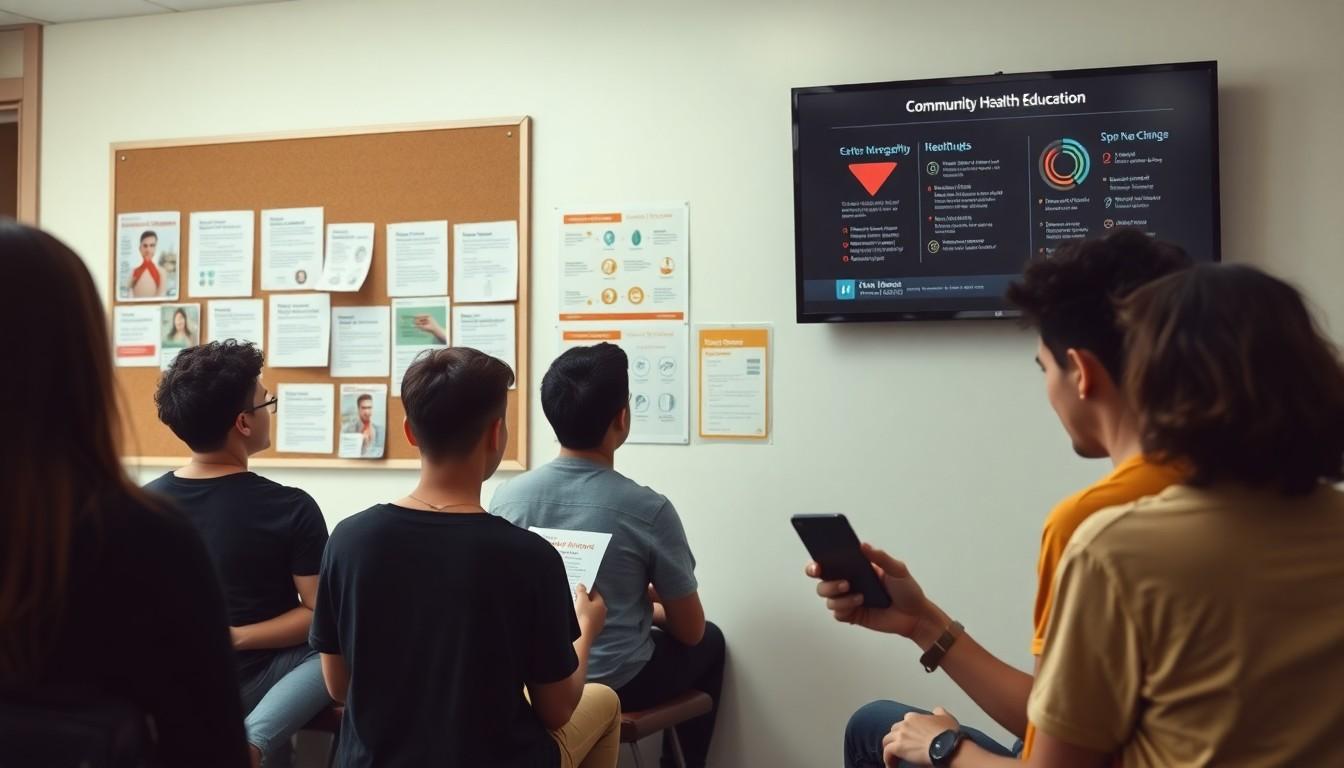
Notice how knowledge is everywhere but understanding is rare , Gen Z needs clear, stigma-free HIV information where we live online and in clinics, because science has moved fast and our cultural grasp hasn’t caught up. I’m 26, queer, Black and from Alabama, and this matters for who gets care and who doesn’t.
Essential Takeaways
- Progress is real: Modern treatment, PrEP and U=U mean HIV is often manageable and non‑transmissible with the right care.
- Knowledge gap: GLAAD found only 31% of Gen Z feel knowledgeable about HIV, even with huge access to information.
- Stigma still blocks care: Judgment in clinics and communities can stop people from asking for PrEP or testing.
- Context matters: Accurate facts without context, up‑to‑date language or representation can mislead more than help.
- Practical access: If you want PrEP or testing, ask directly and expect options , you don’t need to explain or justify your choice.
Why having more facts hasn’t solved it
We grew up with answers at our fingertips , search, social, podcasts, AI , but that hasn’t meant we understand what HIV looks like today. Information can be technically right yet miss the details that make it usable: who should consider PrEP, what U=U really means, or how treatment interactions work. According to GLAAD’s State of HIV Stigma study, Gen Z reports the lowest sense of knowledge about HIV, and that rings true when I talk with friends. It’s not enough to find a headline; we need clear, stigma‑free explanation that fits our lives.
When healthcare feels like judgement
I asked for PrEP at 19 and left feeling judged. That moment taught me how stigma can hide in a single look or an offhand question. The CDC recommends PrEP for people at risk, and yet many clinics still treat preventive care like a moral question. If you’re seeking PrEP, insist on a factual conversation: ask about options, side effects, and follow‑up testing. If a provider makes you uncomfortable, you’re entitled to a referral or to seek care elsewhere. Stigma is a barrier to care, especially in rural areas and among marginalised groups.
Representation changes what we believe
Older generations saw HIV daily; we didn’t. That distance is progress in one sense, but it also lets outdated stereotypes survive. We need media where people living with HIV are fully realised , dating, working, ageing, being funny , so the virus stops being an abstract crisis. GLAAD and other advocates urge more nuanced storytelling because visibility without panic helps normalise testing, treatment and prevention. When narratives shift, so do assumptions about who is at risk and who belongs in clinics.
Online answers need more than speed
I ask AI about HIV and get fast replies, but often they lack nuance or use outdated terms. Tools that feed millions of queries must be built with current clinical guidance and stigma‑aware language. The CDC and peer‑reviewed literature make clear points about prevention and gay and bisexual men’s risk, but that info must be translated for everyday searches and social clips. If you’re learning online, check sources like the CDC or recognised advocacy groups, and look for content that explains why a fact matters to you personally.
Practical tips for Gen Z seeking care or info
Start by naming what you want: PrEP, testing, STI screening. Use clinic websites or telehealth to find providers known for sexual health care. When asking for PrEP, request specifics: dosing schedules, side‑effect expectations, and follow‑up testing. If you face stigma, note it and switch providers; your health isn’t negotiable. For trustworthy info, prefer CDC guidance, peer‑reviewed summaries, and community groups that centre people living with HIV without sensationalising them.
It’s a small change that can make every interaction about HIV clearer and kinder.
Source Reference Map
Story idea inspired by: [1]
Sources by paragraph: