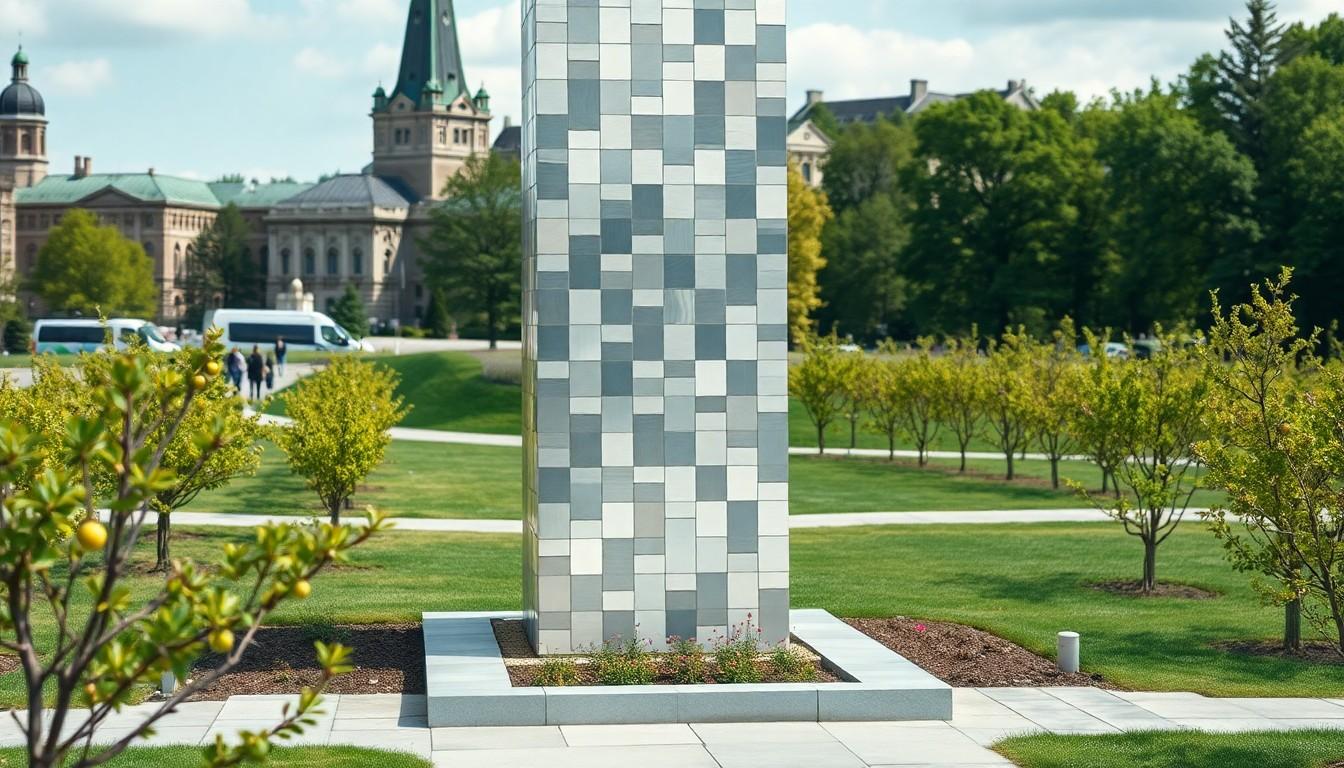
Watchers are turning their heads to Ottawa this week as Thunderhead, a striking new national LGBTQ2S+ monument, opens , a 30‑foot sculptural cylinder, mirrored interior and orchard that remembers the LGBT Purge, honours survivors and gives the community a visible place to gather and reflect.
Essential Takeaways
- Bold design: A 30‑foot cylinder with a thundercloud hollow at its centre, lined with thousands of mirrored tiles that catch and scatter light, creating a disco‑like shimmer.
- Multiuse site: The memorial includes a garden, performance stage and a fruit orchard , both symbolic and practical spaces for events, quiet reflection and community gatherings.
- Historic funding: The project is financed by settlements from a class‑action lawsuit by survivors of the LGBT Purge against the Government of Canada.
- Location matters: Sited in downtown Ottawa near Portage Bridge, the monument places queer history in the national capital’s everyday landscape.
- Layered symbolism: The orchard and name reclaim slurs and reference the “fruit machine” purge era, turning painful history into a prompt for conversation and healing.
A striking centrepiece that feels alive
Step up close and you notice how Thunderhead changes as you move. The mirrored tiles inside the hollow thundercloud throw flecks of light like a disco ball one moment and a kaleidoscope of faces the next. It’s both joyful and eerie , a tactile reminder that public memory can sparkle and also reflect difficult truths.
Designers meant the monument to be experiential, and it shows. According to the project launch materials, the visual effect invites people to gather, move and see themselves multiplied. If you visit on a sunny day bring sunglasses; the interior can be dazzling, in a good way.
Why the orchard and garden are more than decoration
The fruit orchard isn’t just pretty landscaping. It deliberately reclaims the slur “fruit” and nods to the “fruit machine,” the discredited device used in mid‑20th century Canada to flush out queer public servants. Planting fruit trees turns a tool of exclusion into a living symbol of resilience.
Community organisers say the garden will host ceremonies and teachable moments, while the orchard will mature over time , something to return to year after year. If you’re planning a visit, think beyond photos: the site’s quiet corners are built for reflection as much as for picture‑taking.
Funded by survivors , a monument born from justice
Thunderhead exists because survivors won a class‑action settlement against federal institutions implicated in the LGBT Purge. That legal victory didn’t just secure compensation; it funded a national monument that centres those who suffered and the people who kept fighting for recognition.
Human‑rights advocates view this as a powerful model: when survivors lead the conversation, memorials tend to prioritise nuance, testimony and education. It’s a different sort of public art , one anchored in accountability and the lived experience of queer and trans Canadians.
Placing queer history in the heart of the capital
Siting Thunderhead near Portage Bridge puts LGBTQ2S+ memory into the flow of everyday Ottawa life. It’s no longer tucked away; it meets commuters, tourists and local families. That visibility is important: monuments shape what we consider national history, and this one insists queer stories belong to that national narrative.
Expect civic events and public programming, especially in its opening weeks. For visitors, combine a monument trip with nearby museums or a walk along the river to build context and make the visit feel like part of a broader learning day.
How to visit and what to expect
If you go, pick different times of day: morning light gives a cool shimmer, while evening can turn the mirrored interior into a glowing, intimate room. The site is designed for performances and talks, so check event listings if you want to catch a panel or community celebration.
Treat the monument with curiosity and respect. Read up on the LGBT Purge beforehand , knowing the history deepens the experience , and consider supporting local survivor organisations if you’re moved to help. Bring comfortable shoes; the garden and orchard reward slow wandering.
It's a small change that can make public memory feel more honest and present.
Source Reference Map
Story idea inspired by: [1]
Sources by paragraph: