Shoppers and citizens alike have been shocked by the July 25 attack in Berlin; ZdK president Irme Stetter‑Karp’s public response outlines why the church must rethink its stance on gender and dignity, what led to the violence, and practical steps for solidarity and safety.
Essential Takeaways
- Immediate impact: One person was killed and dozens injured when a vehicle struck the crowd at Berlin’s Christopher Street Day celebration, leaving many traumatised and fearful.
- Targeted violence: The attack was clearly aimed at the queer community, prompting ZdK to publicly stand in solidarity and call for protection.
- Ideological roots: ZdK links contemporary hostility to entrenched, procreation‑centred ideas about gender that still echo in parts of the church and right‑wing politics.
- Political financing: Research cited by ZdK points to large financial flows supporting religious‑right networks that push back on LGBTQ+ rights.
- Church accountability: ZdK has pushed bishops and Vatican interlocutors for non‑discrimination, blessings and conversation about gender diversity within Catholic structures.
A grim scene, and the church speaks up
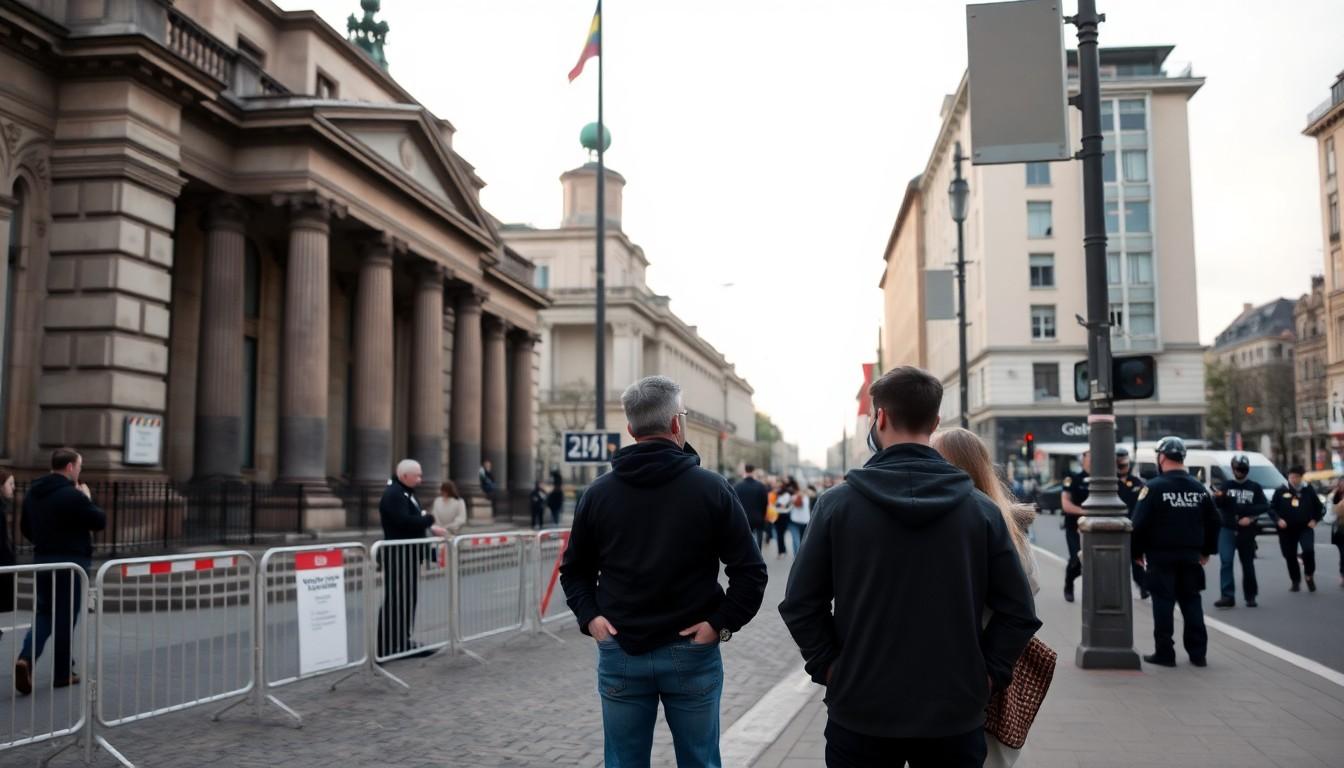
The image of a crowd celebrating in the sun, then suddenly hit by violence, still feels raw and personal. Media outlets reported a van ploughing into participants at the Christopher Street Day parade in Berlin, killing one person and injuring many more. ZdK president Irme Stetter‑Karp said the attack cast a long shadow over open society and highlighted how fear has spread through communities that only want to live openly and love freely. According to local and international reporting, the alleged attacker had a history of trying to join extremist groups, which has only sharpened concerns about politically and ideologically motivated violence.
Why ZdK says the church must examine its teachings
Stetter‑Karp doesn’t mince words about the cultural roots of anti‑queer sentiment. She points to a longstanding, procreation‑centred view of gender that has filtered into social conservatism and, historically, into National Socialist ideology. ZdK argues that the church should ask what it is actively doing, beyond statements, to defend the dignity of LGBTQ+ people. That includes acknowledging that certain teachings and pastoral practices can tacitly sustain exclusion, and asking how to change that in practical terms.
Politics, money and the broader backlash
This was never only about one attacker. ZdK highlights a wider trend: the growth of right‑wing movements and parties across Europe has normalised hostility toward queer people, migrants and others who don’t fit conservative moulds. The European Parliamentary Forum for Sexual and Reproductive Rights estimated substantial funding moving into religious‑right networks in recent years, framing their work as protecting “traditional values” while eroding pluralism. ZdK’s point is blunt: this is organised, financed pushback that demands a political as well as pastoral response.
What ZdK has done inside the church
ZdK has been active, not just vocal. The committee negotiated with German bishops on the Synodal Path, pushed for re‑evaluations of how homosexuality is discussed in church teaching, and advocated for blessings and nondiscriminatory treatment of transgender people. Stetter‑Karp recounts both support and fierce backlash, even being vilified in some Eastern European media, but says those setbacks won’t stop the ZdK from pressing the Vatican and bishops to act. The practical takeaway: internal church reform, she argues, is part of preventing violence and exclusion outside the church walls.
Small gestures, visible solidarity
Since the attack a maple tree and a rainbow‑painted bench in Berlin’s Tiergarten have become quiet memorials. These small, public acts are symbolic but useful: they show that communities can offer visible support, remind survivors they’re not alone, and mark public space as inclusive. ZdK calls for solidarity to keep growing, materially and morally, so that gestures become durable change, not one‑day headlines.
It's a small change that can make public spaces safer and more welcoming for everyone.
Source Reference Map
Story idea inspired by: [1]
Sources by paragraph: