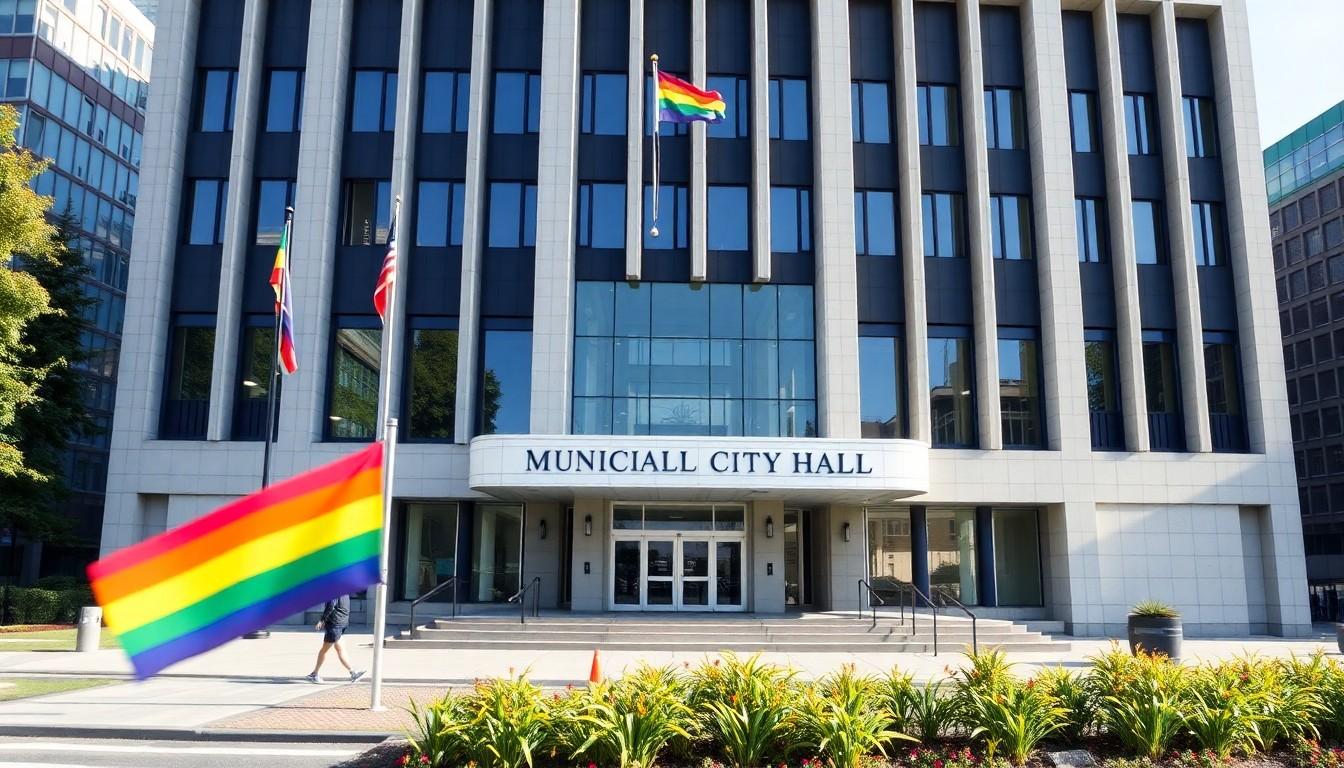
Shoppers of civic change, take note: Mayor Katie Wilson announced a new recurring $250,000 commitment to help LGBTQIA+ refugees and local organisations, promising a $100,000 workshop this autumn to speed access to those funds and streamline assistance across Seattle. It matters because the money will be budgeted yearly through 2029 and comes amid broader city moves to shore up crisis support.
Essential Takeaways
- New recurring funding: Mayor Wilson’s office secured an additional $250,000 a year for LGBTQIA+ refugee support, budgeted through 2029.
- Immediate capacity-building: $100,000 of the sum will underwrite a fall resource workshop to help groups access funds quickly and efficiently.
- City Council support: A separate one-time mid‑year allocation of $300,000 was unanimously approved by the Seattle City Council to address the same crisis.
- Community concerns remain: Commissioners and advocates pressed the mayor on police conduct, unpaid commission labour, and the need for durable infrastructure.
- Fresh advisory role: Dominique Stephens, the mayor’s new LGBTQ Affairs advisor, framed this administration as unusually open and engaged.
Why this funding matters now , quick, recurring support for refugees
The striking detail is that this $250,000 is set up as a recurring line in the city budget, not a one-off emergency grant, which means groups can plan with more confidence. That steady feel is important for organisations helping people who’ve fled trauma and uncertainty, because services, legal aid, housing navigation, healthcare referrals, need ongoing resources rather than stop‑start funding. According to reporting, the city council also added $300,000 as a one-off mid‑year sum, so the new money builds on that initial step. For community groups, the practical win is predictability: it’s easier to hire staff or set up programmes when you can count on a yearly allocation.
The $100,000 workshop , how it could change the game
Mayor Wilson singled out $100,000 to fund a workshop this autumn designed to help organisations and mutual aid groups access city funds faster. That’s tactical thinking: small groups often lose out because grant procedures are complex and slow. A targeted workshop that demystifies applications, reporting requirements and procurement could mean quicker relief for people in need. If the city teams the training with clear application templates and a fast-track review, smaller grassroots groups will be less likely to miss out. It’s a simple investment with outsized practical returns.
Police tensions and political context , accountability still on the agenda
The meeting wasn’t just about dollars. Mayor Wilson also addressed an upcoming article about an OPA complaint filed by Interim Police Chief Andre Sayles against a veteran detective who spoke at a rally. That controversy has stirred questions about internal police discipline and how it intersects with public testimony on sensitive laws. Commissioners and community members used the moment to press for clearer accountability and protections for those who speak up. The mayor’s office said a short statement was coming, and the conversation highlights that funding alone won’t fix trust issues; oversight and community input are necessary too.
Commission workload and compensation , building sustainable infrastructure
A recurring theme at the meeting was that the LGBTQ Commission operates largely as unpaid volunteers while demands on their time grow. Members argued for clearer pathways to institutional support, pointing to how Seattle’s Office of Immigrant and Refugee Affairs evolved from a volunteer commission into a funded office. That’s an instructive precedent: when civic need becomes urgent, the city has sometimes shifted from volunteer boards to staffed, resourced departments. If Seattle wants durable services for queer and trans residents and refugees, compensating commission work and formalising structures will help attract diverse voices and sustain long-term projects.
Who’s steering this , people, promises and small signs of change
Dominique Stephens, the mayor’s newly appointed LGBTQ Affairs advisor, framed Mayor Wilson as an “open door” executive and argued this administration is more serious about addressing systemic issues than previous ones. That kind of tone-setting matters; leadership that shows up can unlock partnerships and pivot city systems faster. Still, attendees pushed for concrete follow-through: clear timelines, accountability measures and a seat at the table for those most affected. The money is a seed, as Stephens put it, but the community will watch to see how large it grows.
It's a small change that can make every programme more reliable , and quicker to reach the people who need it.
Source Reference Map
Story idea inspired by: [1]
Sources by paragraph: