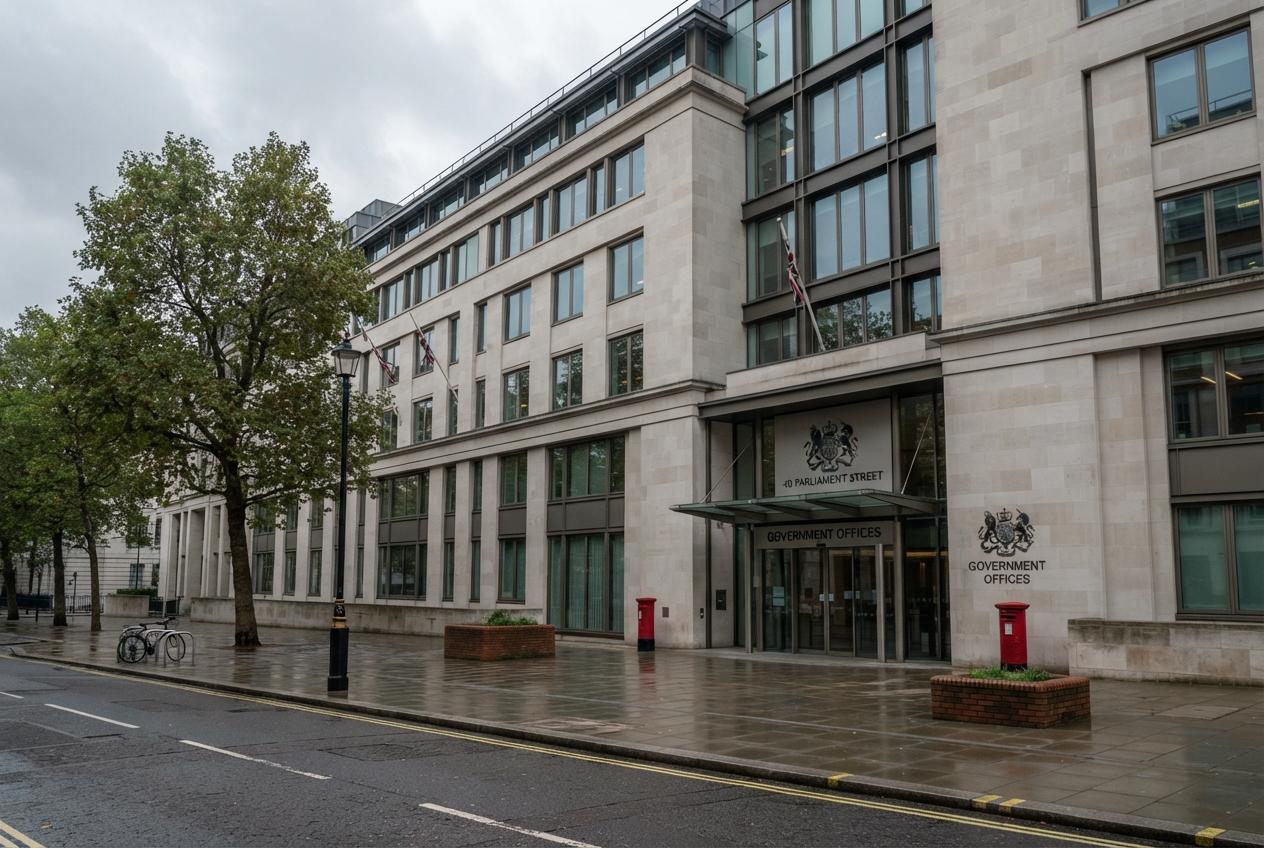
Shocked campaigners pressed for a public inquiry into the lasting harm of Section 28, but the UK government has said it’s “not the right approach” , a decision that matters to thousands who want formal recognition, safeguards and a reckoning with the past.
Essential Takeaways
- Government position: Officials said a public inquiry would not uncover new facts and pointed to legal progress since Section 28 as evidence its legacy is recognised.
- Campaigners disappointed: The Section 28 Justice Coalition described the response as disappointing and urged a meeting after more than 26,000 signed the petition.
- Lasting impact: The law, introduced in 1988 and repealed in 2003, left a “chilling effect” on LGBTQ+ young people, teachers and community life.
- Celebrity support: Public figures including Russell Tovey and Boy George backed the petition, raising its profile and public emotion.
- Next steps suggested: The coalition remains open to dialogue and wants safeguards against rising censorship of LGBTQ+ lives and stories.
Why campaigners wanted a formal inquiry , and what it would achieve
Campaigners say a public inquiry would do more than catalogue history; it would formally acknowledge harms and recommend protections. The Section 28 Justice Coalition argues that an inquiry could propose concrete safeguards to stop censorship creeping back in, whether by law or social pressure. For people who grew up under the law’s shadow, a public report would feel like official recognition of trauma, and that matters emotionally as much as politically.
Government: progress and records mean a public inquiry isn’t needed
The government’s reply accepted the “devastating impact” of Section 28 but concluded a public inquiry wouldn’t reveal new facts, because parliamentary debates and the Act’s origins are already on the public record. Officials also pointed to legal changes since repeal , such as same-sex marriage and other equality measures , to argue the legacy has been addressed. That position is about institutional confidence in existing records, but it leaves campaigners who seek forward-looking recommendations unsatisfied.
What life under Section 28 looked like , and why its echo still matters
Introduced in 1988 amid fear and stigma around HIV/AIDS, Section 28 forbade local authorities and schools from “promoting homosexuality”, effectively erasing same-sex relationships from teaching and public life. Teachers, pupils and families described a hostile environment that lasted for years. The National Archives and historians chart how that culture shaped education and community services, and many survivors say the psychological effects linger in trust, careers and how LGBTQ+ topics are handled today.
The politics of inquiries: when do governments open them?
Public inquiries are typically launched to establish facts, learn lessons and prevent repeats. The government argued those aims are already met by public records and ongoing policy debates. Campaigners counter that only a dedicated inquiry can centre survivors’ testimony and recommend institutional safeguards. This tension , between archival certainty and survivors’ need for formal validation , is common in debates over historical injustices, and it often determines whether an issue progresses to statutory investigation.
Practical next steps for campaigners and allies
The coalition has asked for talks and remains open to other routes short of an inquiry; that offers a practical way forward. If you want to support recognition and safeguards, sign petitions, contact local MPs, and encourage schools and councils to record oral histories and improve inclusive policies. For those directly affected, community groups can offer support and ways to give testimony, while researchers and archivists can help preserve evidence for future scrutiny.
It's a small change to ask for , formal recognition that might prevent future censorship , and the debate is far from over.
Source Reference Map
Story idea inspired by: [1]
Sources by paragraph: