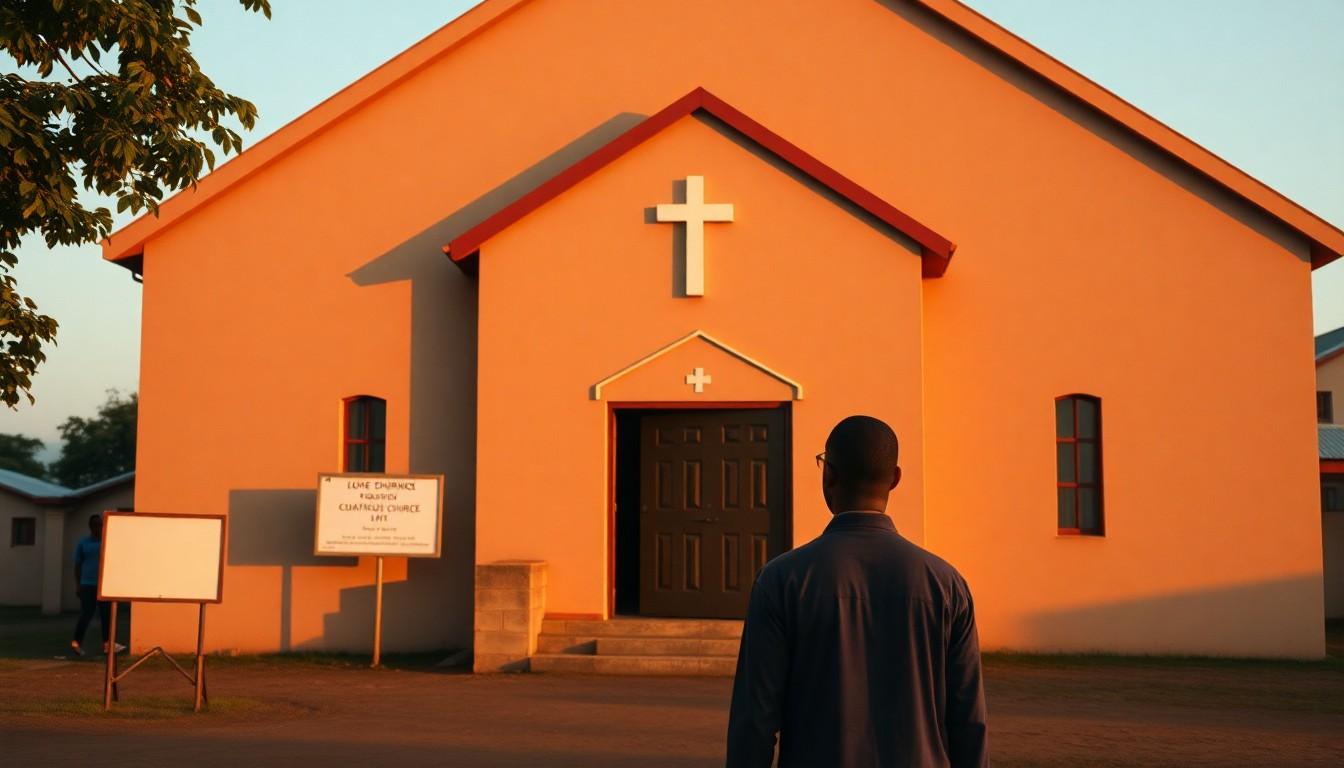
Shoppers of stories are leaning into conversations about faith, identity and honesty after Pastor Mark Mukami of MLife Church publicly shared that he’s gay and celebrated his boyfriend. His reflection on truth, generosity and boundaries matters in Kenya and beyond, because it reframes leadership, personal growth and who gets to tell their own story.
Essential Takeaways
- Public admission: Pastor Mark Mukami publicly acknowledged his sexual orientation and celebrated his relationship, creating a visible moment in Kenyan faith circles.
- Truth over appearance: He emphasised learning to live authentically by questioning assumptions and separating useful wisdom from mere noise.
- Generosity vs people-pleasing: Mukami drew a clear line between giving from freedom and giving out of fear of disappointing others.
- Boundary learning: He stressed the importance of saying no, protecting time and energy, and choosing who can access his life.
- Broader context: This sits alongside other Kenyan and regional figures who have spoken about LGBTQ+ identity, adding to an ongoing cultural conversation.
Why this moment feels different for faith communities
There’s a small, electric sense when a public faith figure chooses transparency; it’s both intimate and political, quiet and loud. Mukami’s announcement and the way he framed it, around honesty and relationship, shifts the focus from scandal to personhood.
Kenyan conversations about sexuality and religion have long been intense and often polarised. According to reporting in regional outlets, other Kenyan creatives and religious leaders have previously come out, each encounter nudging public debate. That slow accumulation of stories makes Mukami’s choice part of a longer, evolving narrative rather than a single flashpoint.
If you’re watching from outside, what’s striking is the human detail: he’s not only naming his orientation but also talking about how generosity and relationships play out in daily life. That makes the debate less abstract and more about how people live.
Generosity redefined: freedom not fear
Mukami’s distinction between generosity and people-pleasing is a practical lens many will recognise. Generosity as freedom sounds pleasant on paper; in practice it means choosing to give because you want to, not because you’re avoiding tension.
He described unlearning people-pleasing as frustrating and necessary. That’s a common arc for anyone who’s reevaluated long-held behaviours, especially when those behaviours were tied to approval in church or community settings.
For readers wondering how to apply this, a simple test helps: ask whether an act of giving leaves you resourced or depleted. If it drains you regularly, it’s likely people-pleasing. Start small with boundaries, shorter meetings, clearer expectations, and see how relationships shift.
Boundaries in practice: who gets access and why it matters
Saying no is a muscle, and Mukami’s reflections make the case that it’s vital for personal growth. He pointed out that you can’t get to a new place while everyone has unrestricted access to your time and energy.
This is practical as well as principled. For faith leaders, entrepreneurs or anyone with public responsibilities, conscious limits protect mental health and guard the quality of service you offer. Try scheduling “office hours” or delegating tasks, and notice if your creativity and patience improve.
There’s also an emotional pay-off: when you stop rescuing everyone, the people who truly value you become clearer. That clarity can be freeing, if a little uncomfortable at first.
How this sits within wider Kenyan and regional stories
Across the region, artists, writers and religious figures have occasionally revealed LGBTQ+ identities, each story shifting public attitudes in small ways. Outlets like The PinkNews and others have documented similar moments, showing how visibility accumulates into conversation.
That accumulation matters: one person’s honesty today can make it marginally easier for someone else tomorrow. Mukami’s statement, then, is both personal and connective. It invites others to consider authenticity without necessarily demanding agreement.
Expect more debates, yes, but also more private reckonings in homes and congregations where people wrestle with the balance between doctrine, compassion and human life.
What this might mean for everyday people
For parishioners, friends and relatives, the immediate task is practical: respond to the person in front of you. For communities, it’s an invitation to practise discernment, sifting helpful guidance from harmful judgement, as Mukami suggested.
If you’re trying to support someone in a similar position, small things matter: listen, ask what they need, and avoid assuming you know their whole story. If you’re the person doing the unlearning, be patient with yourself and set one boundary at a time.
This moment won’t resolve big cultural questions overnight, but it does nudge the conversation toward dignity, agency and clearer personal limits.
It’s a small change that can make every relationship a little more honest.
Source Reference Map
Story idea inspired by: [1]
Sources by paragraph: