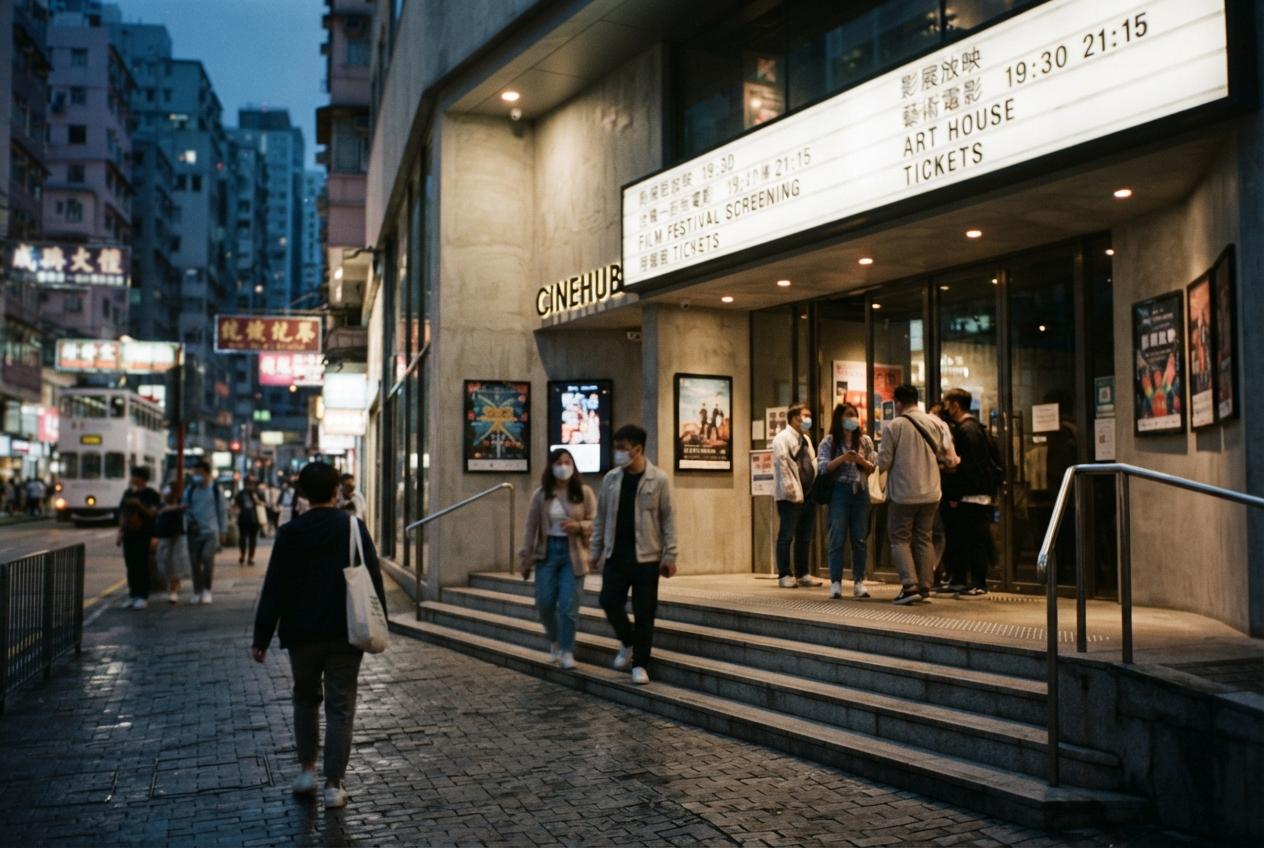
Shoppers of stories are flocking to Hong Kong this September as the Hong Kong Lesbian and Gay Film Festival returns with its largest line-up in years; the 37th edition runs September 4–20, features 37 features and 38 shorts, and swaps old categories for six mood-driven strands that aim to reframe queer cinema for today.
Essential Takeaways
- Biggest programme: 37 feature films and 38 shorts, the festival’s largest recent line-up and one that feels lively and varied.
- Six “moods”: LOVE, LAUGH, REFLECT, THRILL, PRIDE and REMEMBER replace geographic or identity-based sections to mix perspectives.
- Glam opening and animated close: Camp comedy Stop! That! Train! and Joan Chen’s Montréal, My Beautiful open the festival; Tiger and ZsaZsa Zaturnnah close it.
- Local talent spotlighted: Two Hong Kong short strands and a screenplay competition support new filmmakers, with industry mentorship on offer.
- Community recognition: Dr Gigi Chao receives the Prism Award for advocacy work across Hong Kong and Asia.
A fresh programming idea: moods, not boxes
The festival’s headline move is simple and clever , organise films by mood rather than by nationality or label, and you instantly change how audiences relate to them. LOVE and LAUGH sit alongside THRILL and REMEMBER, so a tender melodrama might land next to a horror that’s equally about belonging. It’s a curatorial nudge that makes cross‑pollination easier; you’re encouraged to see queer cinema as emotionally varied, not pigeonholed.
Programme directors say this helps audiences discover unexpected connections. Practically, it means your schedule can be mood-led: pick a reflective afternoon or an evening of raucous laughs. For first-timers, start with LOVE to get a feel for the tone, then leap to THRILL for contrast.
Starry opening: camp and quiet drama side by side
Opening night stitches two very different films together. Stop! That! Train!, a camp disaster comedy stuffed with drag stars and pop cameos, promises loud, colourful energy and a party atmosphere. By contrast, Montréal, My Beautiful, starring Joan Chen, is a quieter, character-driven drama about immigration, duty and late-life longing.
This pairing is deliberate , one film invites you to let go, the other asks you to watch closely. If you’re heading to the opening ceremony, note that director He Xiaodan will attend and take questions after Montréal, My Beautiful, adding a valuable chance to hear about performance and cultural context from the filmmaker directly.
Closers that bridge genre and myth
The closing programme is equally adventurous. Tiger, a Japanese drama about a middle-aged gay masseur confronting family pressures and the risk of outing, leans into human-scale emotion and social stakes. ZsaZsa Zaturnnah, a Filipino animated superhero feature, turns a local comic-book icon into a widescreen celebration of identity and camp.
Together they show how queer stories can be intimate and fantastical in the same festival. If you like narrative variety, book a closing-night package , you’ll likely find the animated finale leaves you grinning while the former lingers in your head.
Spotlight and Special Presentation: reputation films to watch
The festival’s new Spotlight strand highlights Maspalomas and The Education of Jane Cumming, films with awards pedigree and strong themes around ageing, desire and historical scandal. Special Presentation brings international titles like Test and Leviticus, which travelled well on the festival circuit and share an appetite for formal risk and difficult subjects.
These strands are a good marker of what critics and programmers are talking about this season. If you’re picking must-sees, start with the Spotlight centrepieces; they’ve generated festival buzz and tend to spark lively post-screening conversations.
Shorts, local talent and industry support
Shorts are abundant , 38 films across seven programmes , and two strands are dedicated to Hong Kong filmmakers. That local focus matters: screenings like HER STORIES and LOVE IN PINK give emerging voices a stage, while the Chinese-language Short Film Screenplay Competition pairs winners with professional mentors, which is exactly the kind of practical backing new directors need.
If you’re an aspiring filmmaker, keep an eye on the competition and the jury names; mentorship from established figures can be career-changing. For spectators, shorts programmes are a tight, rewarding way to sample the festival’s range in a single sitting.
Community, awards and accessibility
The Prism Award going to Dr Gigi Chao underlines the festival’s civic role as well as its cinematic one. Tickets are heavily subsidised compared with typical festival pricing , most screenings at HK$100 and special prices for headline titles , so the event stays accessible to community members and curious first-timers alike.
Tickets and packages are on sale now; opening and closing packages add social events, so if you want a full festival night out they’re worth the modest extra cost.
It's a small change that can make every screening feel like an invitation to see queer cinema in a new light.
Source Reference Map
Story idea inspired by: [1]
Sources by paragraph: