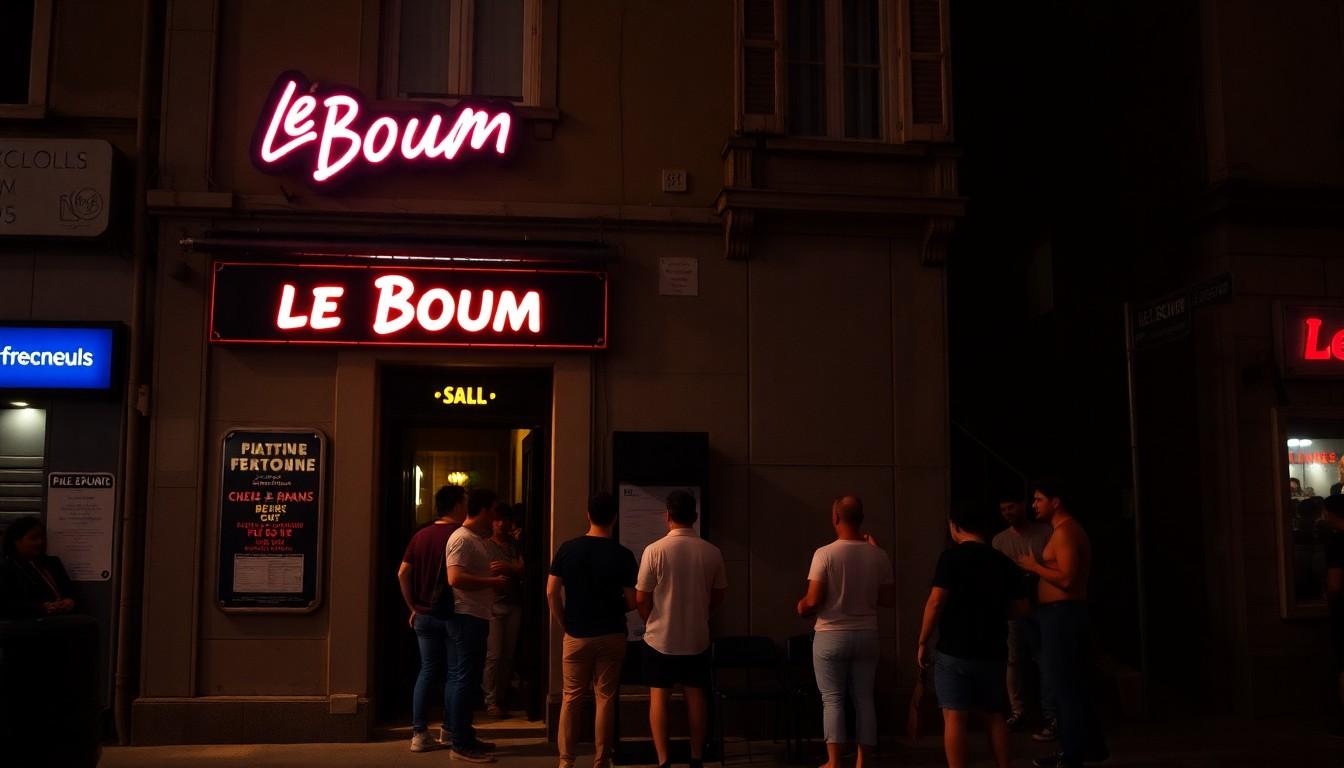
Shoppers of culture and culture-war watchers alike have been watching a Marseille drag club’s cheeky Assumption Day party , and a far‑right senator’s furious response , unfold. This matters because it’s a snapshot of how queer satire, religion and politics collide in public life, and what that means for free expression and local communities.
Essential Takeaways
- What happened: A Marseille gay venue, Le Boum, staged a satirical event called “Fête de la v(i)erge” on 15 August, the Catholic Feast of the Assumption, with playful queer themes and drag performances.
- Political backlash: Stéphane Ravier of the Reconquête‑aligned right wing publicly denounced the show as “Christianophobia”, posting criticism on X.
- Local context: The Assumption is a deeply felt holiday in Marseille, where processions and devotion to Notre‑Dame de la Garde are common. The event deliberately repurposed the date for queer celebration.
- Public reaction: Online responses pushed back at the senator, framing the party as satire and defending freedom of expression; some commentators criticised the tone of the political intervention.
- Why it matters: This episode reflects wider European debates about satire, religion, minority expression and the rhetoric of far‑right parties.
A bold queer nod to a sacred day , and an immediate headline
Le Boum, a well‑known Marseille gay venue, chose 15 August to host a party that punned on “vierge” (virgin) and “verge” (phallus), leaning into drag, comedy and provocation. The idea of a bright, noisy queer night reclaiming a solemn Catholic feast felt both defiant and theatrical; you can almost picture the glitter and confetti against the quiet of traditional processions. According to local event listings, these kinds of nights are part of the club’s lively calendar.
The organisers framed it as a tongue‑in‑cheek reclaiming of the Assumption , not an attempt to erase faith but to stake a queer place in a city where religious devotion is visible and vocal. For many attendees it was celebration, for others provocation. Either way, it was designed to make a point.
A politician’s rebuke , culture war energy in Marseille
Senator Stéphane Ravier posted his condemnation on X, calling the event an act of Christianophobia and insisting the date is sacred for Catholics, especially in Marseille where the Virgin Mary has strong local resonance. Ravier is associated with the hard‑right political current known for stoking cultural and identity issues, and his remarks landed in that familiar register of outrage.
Critics noted the double standard he implied, arguing that similar satire directed at other faiths would be instantly condemned, while others defended the party as legitimate artistic expression. The episode is a neat example of how local entertainment can be national news when it touches on religion and identity.
Marseille’s Assumption , more than a date on the calendar
In Marseille the Feast of the Assumption is often marked by processions and devotion at sites like Notre‑Dame de la Garde; it’s a public, sensory event with music, candles and crowds. Local listings show a steady stream of religious celebrations around the date, and for many families the day carries personal meaning.
So when a queer club stages a satirical event on the same date it’s almost guaranteed to provoke conversation. That’s not accidental: reclaiming public time and space is a tactic seen in protests and Pride culture for decades. The result is not just controversy, it’s a conversation about who gets to tell stories about the city’s identity.
What this says about free expression and proportional responses
There’s a wider point here about how democracies handle satire and offence. Some argue events like Le Boum’s are protected artistic expression and a harmless provocation; others see deliberate timing as insensitive. Politicians’ loud denunciations, especially from parties that trade in cultural grievance, can escalate local disagreements into national, or even international, rows.
If you’re wondering how to judge these moments, look for proportionality: is the event violent or inciting? Is the response seeking legal action or just signalling? Most of the online debate so far has been about tone and principle rather than law.
Practical takeaway for event planners and community leaders
If you organise events in religious cities, a quick sensitivity check helps: think about timing, communication and whether you want controversy or conversation. If your aim is to provoke, be ready for political attention; if your aim is community building, consider alternate dates or clearer framing that makes intent obvious. For politicians, remember that public rebukes can amplify the very message they dislike.
This isn’t just a Marseille story , it’s a modern civic moment where identity, humour and public life bump into one another.
It's a small cultural clash with outsized conversation, and worth watching as more cities negotiate the same tensions.
Source Reference Map
Story idea inspired by: [1]
Sources by paragraph: