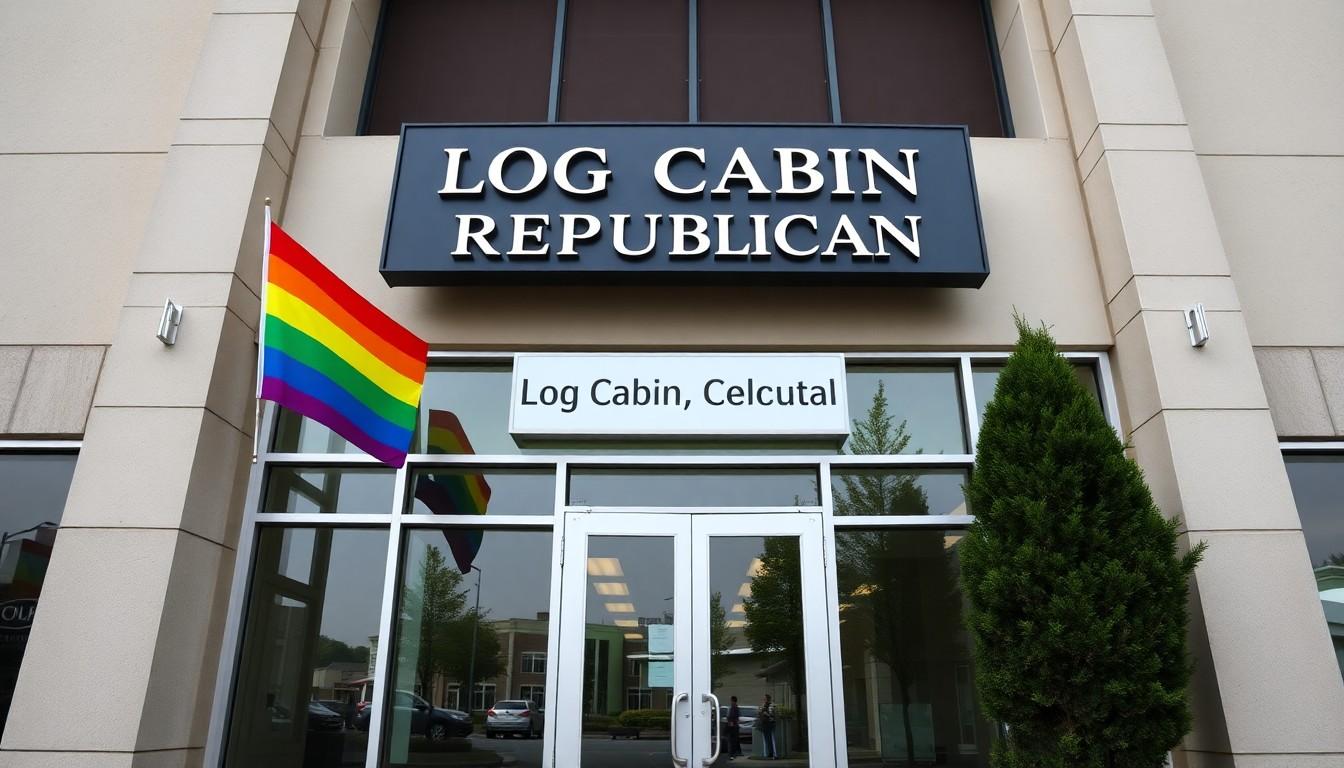
Shocking many activists, Log Cabin Republicans announced they will no longer include transgender rights in their mission, a decision that matters for LGBT conservatives, trans people and the wider political fight over youth healthcare, sports and cultural identity. Here’s what changed, why it happened and how to think about the fallout.
Essential takeaways
- Decision made official: The Log Cabin Republicans voted to narrow their mission to sexual orientation (LGB) and conservative values, removing transgender rights from their stated priorities.
- Leadership rationale: President Ross Hemminger framed the move around concerns over trans youth issues, sports and medical care for minors.
- Membership stance: The organisation says membership remains open to trans conservatives, even as policy focus shifts.
- Political context: The change follows years of accommodation with Republican figures, including endorsement and fundraising ties to Donald Trump.
- Practical impact: Advocates warn the shift may weaken conservative LGBT influence in fights over anti-trans bills and cultural debates.
What the announcement actually says , and what it feels like
The Log Cabin Republicans has quietly rewired its identity, describing itself now as an organisation for LGB conservatives and straight allies, rather than for the wider LGBT community. The language shift is small on the page but loud in tone, and it lands like a public retreat for many trans people who had counted the group as an ally. The move feels like a ladder pulled up behind those still climbing.
According to reporting, the change was explained by Ross Hemminger in an op‑ed, where he singled out contemporary fights over minors and sports as decisive. That emotional framing, talk of children, fairness and permanence, was clearly chosen to resonate with conservative voters who are sceptical of current trans rights debates.
Why leadership says they did it , and whose concerns it addresses
Hemminger argued the transgender movement’s focus on minors, schools and women’s sports created political liabilities for LGB causes that once attracted broad support. The message is strategic: distance from the most contentious gender‑identity issues to preserve backing for marriage equality and other wins that LGB activists secured over decades.
This is explicitly a political calculation. Observers note the organisation’s growing alignment with mainstream Republican figures over the past few years, including endorsements and fundraising relationships. Leadership framed the shift as protecting hard‑won gains by avoiding association with what they call “radical” positions on youth care and participation in sport.
How this fits into a larger pattern of conservative LGBT politics
The Log Cabin move isn’t happening in a vacuum. In recent years some LGBT conservative groups have tried to balance social acceptance with party loyalty, even as the GOP base shifts on cultural issues. That balancing act led Log Cabin to endorse and fundraise with figures whose policies have targeted trans people, a fact that critics say foreshadowed this outcome.
Industry observers and community activists warn this narrowing of mission could reduce moderate Republican voices speaking up for trans rights at crucial moments, like votes on healthcare access, school policies or anti‑discrimination protections. For those who follow the politics, this signals a fracturing of the once simpler LGBT coalition.
What it means for trans conservatives and allies day to day
The group insists trans people can still be members, and local chapters will set practices for their communities. That’s important; membership access matters on a human level, and some trans conservatives may still find value in local networks or policy conversations.
Yet the symbolic removal of trans rights from the mission sends a message that could chill advocacy inside the party. If key civic organisations step back from defending trans rights, practical consequences follow: fewer voices opposing blanket bans, less political cover for officials who support gender‑affirming care, and a thinner defence against discriminatory policies.
How to think about choosing where to invest your support
If you care about trans equality, this is a moment to be deliberate. Ask organisations whether they explicitly pledge to defend trans youth, healthcare access and nondiscrimination, and look for clear, track‑recorded advocacy rather than vague statements about inclusion. For conservatives who want to protect both LGB wins and trans rights, supporting cross‑party or community groups that explicitly include trans people may be a better bet.
At the same time, recognize this is a political judgement call by Log Cabin leadership aimed at shoring up what they see as achievable. Whether it will succeed in stemming public shifts against LGB rights remains to be seen.
It's a small organisational shift with outsized symbolism , and it matters for anyone watching the future of equality.
Source Reference Map
Story idea inspired by: [1]
Sources by paragraph: