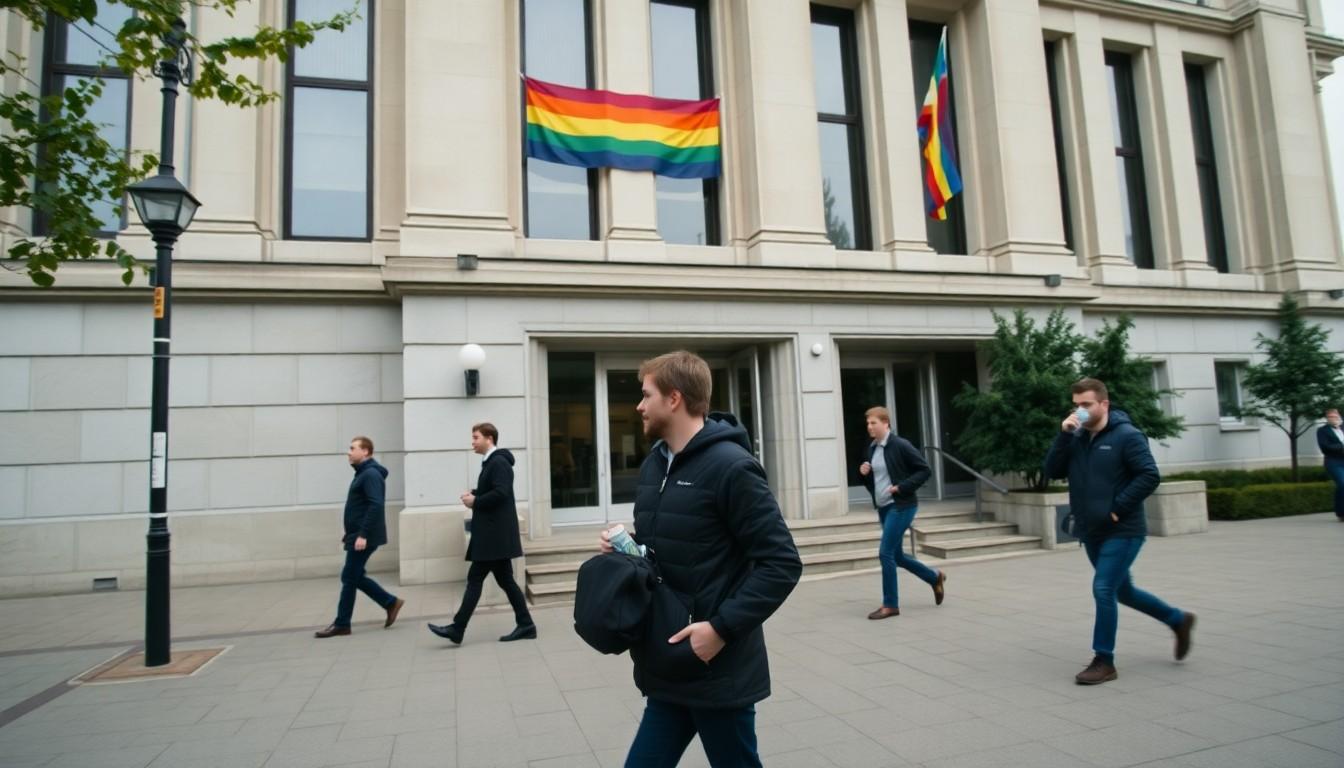
Ask a simple question in Jyväskylä: where does municipal responsibility end and political activism begin? This piece examines why the city’s role as a main Pride partner matters, what it means when local LGBT groups host explicitly political or partisan events, and how other cities balance support, neutrality and community backing.
Essential Takeaways
- Public partnership matters: Jyväskylä lists the city as a primary partner for Pride, which carries different expectations than a private group's participation.
- Organisation vs politics: Local Seta runs community groups and advertises events that can be political in tone; that raises questions about municipal association.
- Practical balance: Cities can support inclusion and safety without endorsing specific partisan events by setting clear partnership criteria.
- Community impact: Clear rules help protect public resources and preserve trust among residents with diverse views.
- Simple fix: Transparency about funding, logos and which events are city-backed solves lots of confusion.
Why the distinction between city support and activism actually matters
City backing of Pride is visible and symbolic, and the difference between a city logo on a poster and a private group’s flyer feels remarkably tactile. Citizens notice when their local government appears to endorse particular messages; that’s why many debates start with a single, simple question: is the council funding, coordinating, or merely facilitating? According to Jyväskylä’s public event listings, the city is named as a main partner for Pride week, which puts it in a different category from independent community groups. That distinction is important because public institutions are expected to be neutral guarantors of civic space, even as they actively promote equality and safety.
What local organisations do , community services vs political gatherings
Local Seta branches routinely run social groups , women’s circles, youth meet-ups and peer support , alongside events with a sharper political edge. That mix is normal: community organisations both provide services and campaign for rights. But when an organisation that works closely with authorities advertises an explicitly partisan or provocative evening, citizens and officials understandably wonder why municipal branding sits alongside it. The solution isn’t to gag voluntary groups; it’s to make clear which of their activities the city funds or partners with, and which are independent.
How other cities draw the line between support and endorsement
Many towns manage the balance by separating practical support from political endorsement. A council might help with permits, policing, and accessibility or fund neutral festival infrastructure while avoiding promotional logos on events that are explicitly partisan. Some municipalities publish partnership criteria: what counts as an official programme event, what logos may be used, and how public funds may be spent. That approach keeps a city’s commitment to inclusion intact while preventing confusion about whether the council backs every speaker or performance.
Practical steps Jyväskylä could use tomorrow
There are simple, sensible rules the city could adopt. For instance: require written agreements that state which events are officially partnered; keep municipal funding limited to accessibility, safety and venue hire; and publish a clear sponsorship policy explaining when the city name can appear. Officials can also offer capacity-building support for organisers so community groups retain independence while getting help with logistics. Citizens benefit from transparency: when everyone sees the dividing line, trust goes up and complaints go down.
What this means for residents and organisers
At the end of the day, most people want safe, welcoming events and clear public procedures. The city can continue to be a visible ally for LGBTQ+ residents without being perceived as a partisan actor, and grassroots groups can keep their political voice. It’s a careful balancing act, but one that’s both manageable and worth doing , for cohesion as much as for clarity.
It's a small clarification that makes public support fairer and more trustworthy for everyone.
Source Reference Map
Story idea inspired by: [1]
Sources by paragraph: