Shoppers of policy victories are celebrating in Los Angeles after the city moved to fund Transgender, Gender‑Expansive, and Intersex (TGI) organisations; community leaders and advocates say the step matters because sustained, local funding can mean services that actually reach people who need them.
Essential Takeaways
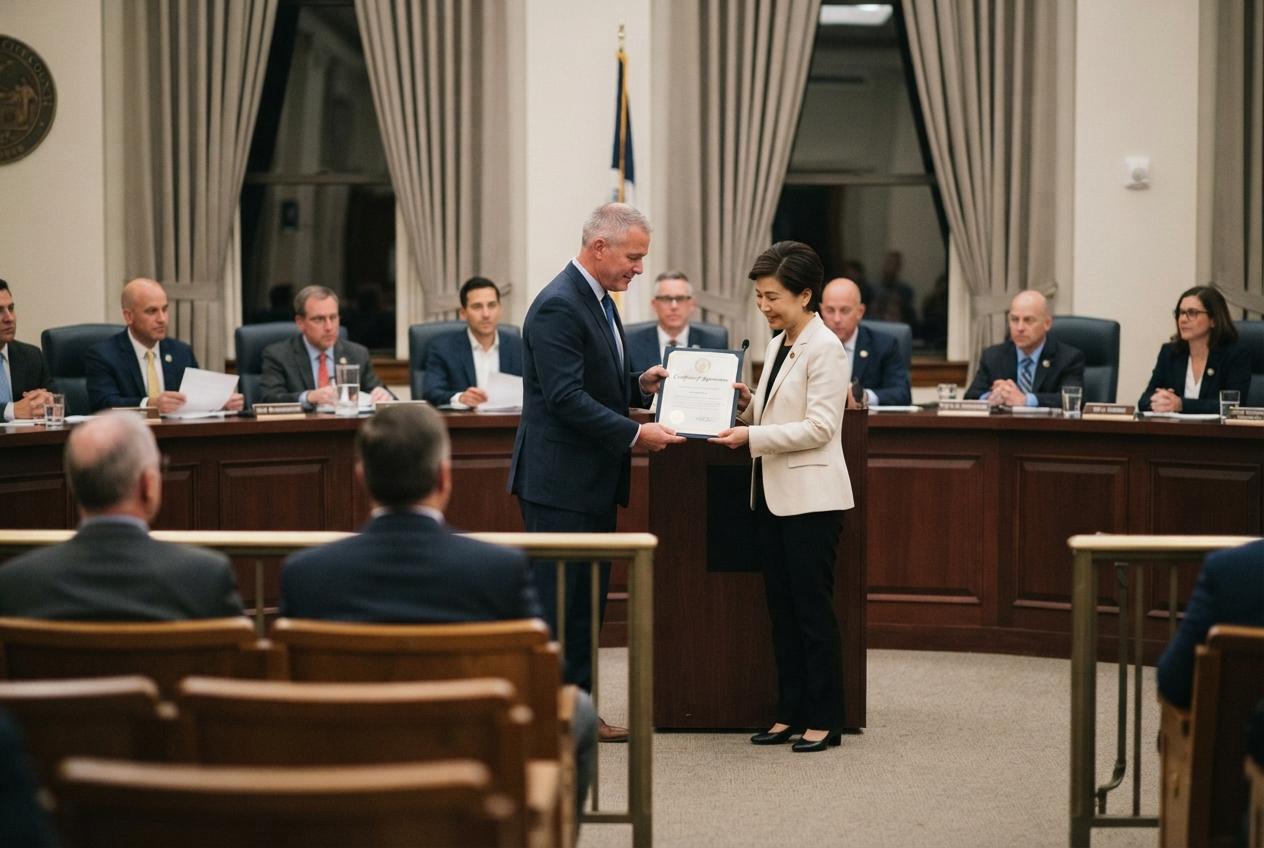
- Community recognition: The TransLatin@ Coalition presented Certificates of Appreciation to LA Councilmembers Eunisses Hernandez and Heather Hutt for championing TGI funding.
- Three years in the making: The TGI Wellness and Equity Initiative capped a multi‑year policy effort to secure dedicated resources for TGI‑led groups.
- Practical impact: Funds aim to strengthen organisational infrastructure , staffing, operations, and program delivery , not just one‑off projects.
- Visible advocacy: Coalition leaders and members made public comments at City Council, highlighting ongoing grassroots pressure and civic engagement.
- Leadership matters: Bamby Salcedo emphasised the permanence and resilience of trans communities in remarks to the Council.
A city council salute that felt like more than ceremony
Los Angeles officials received heartfelt public praise as Certificates of Appreciation were handed to Councilmembers Eunisses Hernandez and Heather Hutt, and you could tell it landed as more than a photo op. The Coalition’s policy team spoke at the Council meeting, and Bamby Salcedo, the organisation’s president and CEO, reminded the chamber that trans people have always been part of the city’s fabric. Those live, human voices , firm and grateful , brought a quiet, emotional clarity to the technical work of budget lines and allocations. According to the TransLatin@ Coalition, this recognition follows a sustained push to secure concrete investment for TGI communities.
Why targeted funding for TGI groups finally matters
For years, TGI‑led organisations operated with far less than mainstream nonprofits, relying on short grants and volunteer energy. The TGI Wellness and Equity Initiative pivots the conversation from emergency response to institutional stability, aiming to underwrite essentials like payroll, rent, and program infrastructure. That shift is crucial if services , from mental health to legal support , are to be dependable. Experts and advocates argue that when small groups can hire consistent staff and plan beyond the next grant cycle, communities feel the difference.
How the campaign built momentum , and what it looked like
This victory didn’t appear overnight. It’s the culmination of roughly three years of organising, outreach and persistent advocacy within City Hall and the neighbourhoods most affected. The Coalition organised visibility events, policy briefings and a series of “TGI Takeover” actions at City Hall that kept the issue in front of decision‑makers and the public. Those tactics kept pressure on budget committees and built relationships with council offices, helping translate grassroots demands into fundable municipal priorities. If you’re watching how community campaigns succeed, this one is a useful playbook.
What the funding will actually do , practical changes to expect
The aim is straightforward: fortify the organisations already leading services for TGI people so they can deliver more consistently. That might mean hiring case managers, securing office space, purchasing technology, or expanding outreach to BIPOC trans communities. For service users, the change often reads as reliability , quieter appointment systems, steadier support lines, and more culturally competent staff. Policymakers have framed the money as an equity investment, not charity, acknowledging the historic underfunding those groups have endured.
Looking ahead: can this be a template for other cities?
Los Angeles is big and visible, which makes its moves influential. If the TGI Wellness and Equity Initiative proves durable, other municipalities may take notice and replicate the approach. The Coalition’s public recognition of allies at City Hall is also a signal: elected leaders who collaborate with community groups can be lifted up politically for driving inclusive policy. Still, the long game will be monitoring whether allocations turn into sustained budgets and whether evaluation measures track outcomes for the people these programmes serve.
It's a small change with potentially big returns , more stability for the organisations that keep communities afloat.
Source Reference Map
Story idea inspired by: [1]
Sources by paragraph: