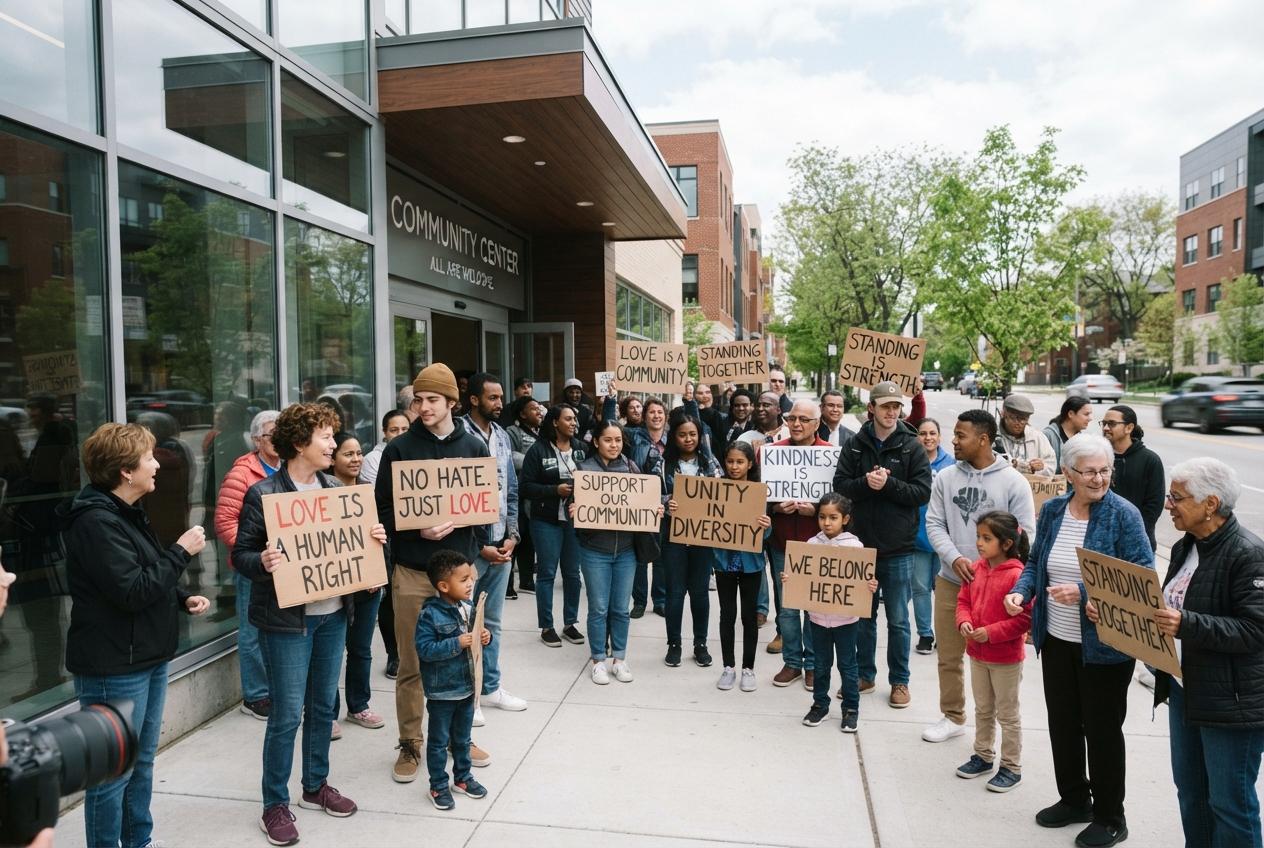
Shoppers are turning their outrage into action as attacks on LGBTQ families and library events sweep parts of the US, and communities are fighting back with billboard counters, lawsuits and stories that insist these families exist and belong. Here’s what happened, why it matters, and how you can help.
Essential Takeaways
- What happened: Conservative groups and some state officials targeted rainbow story times and LGBTQ representation with billboards and funding threats, sparking national pushback.
- Visible reaction: Local organisations raised funds to erect pro-family billboards and reassurance messages , they look bright, proud and intentional.
- Legal fights underway: Civil-rights groups have won temporary protections in cases involving medical privacy and are preparing briefs against exclusionary school funding.
- Everyday impact: Bans and opt-outs risk erasing kids’ lived experience, causing confusion and exclusion in classrooms and libraries.
- How to help: Support libraries, donate to counter-campaigns, join storytelling projects, and back legal defenders to keep representation in public life.
Why a small library story time turned into a culture-war flashpoint
A kid-friendly event that included picture books about same-sex parents and a drag performer drew threats to cut public funding, and the controversy felt sharp and surprising because the story time was held in a program room, quietly and voluntarily. According to reporting in Missouri, state officials called the books “grooming” material and promised legislative remedies, which illustrates how quickly simple visibility becomes political. That surge of attention underlines a basic point: showing LGBTQ lives in children’s books is now being framed as controversial, even when it’s not sexual or explicit.
Behind that rhetoric is a long history of moral panic about representation. Parents, teachers and librarians say this creates needless fear and paperwork, while children lose opportunities to see themselves reflected. If you’re a parent or librarian, it helps to document events carefully, post clear age guidance and keep communication channels open with families to reduce misunderstandings.
Billboards and counters: how visibility battles play out on the street
In Ohio and elsewhere, anti-LGBTQ groups put up large, colourful billboards stating reality-denying claims about families. Community groups quickly matched the tactic; fundraisers bought bright, affirmative billboards that say “Many children have two dads” or simply “You are loved,” using similar visual language to reclaim public space. The tactic is part PR, part therapy , these signs are loud, visible and emotionally direct.
If you want to replicate this response locally, start small: crowdfund, get a local creative to design something simple, and coordinate placement near the original message to create an immediate conversation rather than a distant counterpoint. Visibility matters because it reassures families who may feel targeted.
Courtrooms and confidentiality: legal defences that actually matter
Legal organisations have been busy protecting LGBTQ families in practical ways, from blocking government access to medical records to preparing amicus briefs in cases about whether faith-based preschools can exclude LGBTQ kids while taking public funds. Recent wins show the law can shield families from invasive government action, but other decisions , like permitting mass opt-outs for LGBTQ-inclusive books in schools , could still lead to de facto censorship.
Support matters here too. Backing groups that bring these suits, volunteering to supply real-life family stories, or donating to legal funds can make the difference between a short-term injunction and a lasting precedent. Courts don’t just decide cases; they shape whether kids see themselves in the curriculum.
Books, authors and the long game: representation that refuses to go away
Publishers, authors and illustrators continue to produce playful, tender picture books featuring two dads, two mums, trans and non-binary characters, and drag performers for children. That steady output matters more than a single headline: it creates a library of materials that normalise diverse families and make it harder to erase lived experiences. Creators tell stories that are soft, joyful and everyday , the kinds of details children recognise and cling to.
If you run a library or school, curate collections intentionally, lend books widely and host parent conversations or read-aloud previews to demystify content. When communities see the ordinary sweetness of these stories, panic tends to fade.
What parents, librarians and neighbours can do this week
Practical steps are simple and effective: attend local meetings, write to trustees, donate to pro-visibility campaigns, and, crucially, listen to kids. Share family stories with trusted outlets that collect them for legal fights, volunteer at libraries or help host reading groups that include inclusive books. These acts are small but cumulative; they keep libraries open, books on shelves and children insured against the cruelty of erasure.
And remember the human side: a child who sees their family pictured feels seen. That feeling is quiet but powerful, and it’s the real counter to the loud, dishonest campaigns we’re seeing.
It's a small change that can make every story time safer and every bookshelf truer.
Source Reference Map
Story idea inspired by: [1]
Sources by paragraph: