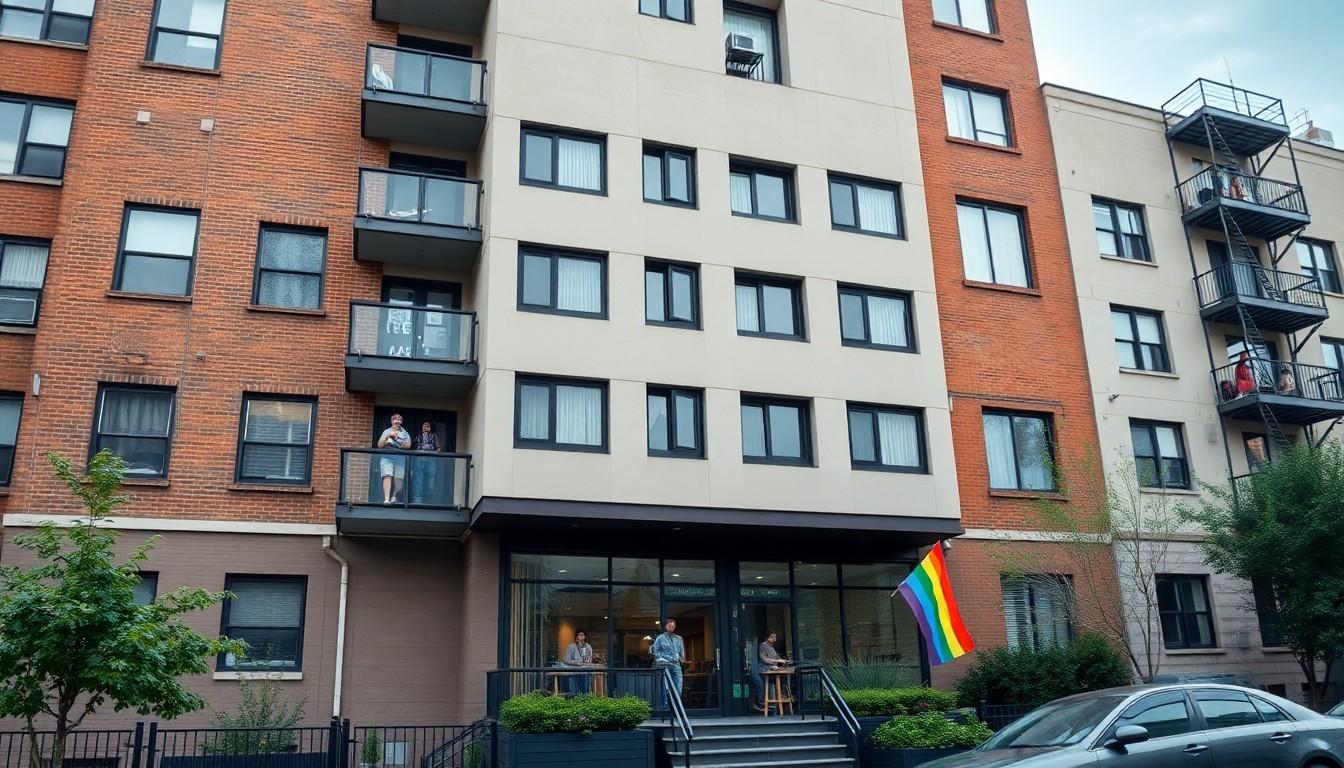
Spotting change: Residents and regulars have noticed the Grove’s identity shifting from a once-definitive gayborhood to a more mixed, gentrified stretch of Manchester Avenue , and that matters for culture, affordability and where queer community gathers. Here’s what’s changed, why it happened, and how to read the street today.
Essential Takeaways
- Fewer dedicated gay bars: The Grove now hosts fewer long-running queer venues; some classic spots have closed while a handful remain with new entries.
- Rapid house-price rises: Forest Park Southeast’s median sale price jumped dramatically in recent years, pushing out longtime residents.
- More mixed crowd: Students, straight allies and new residents now mingle with LGBTQ patrons, changing the strip’s feel.
- History still present: Oral-history projects and local memory keep the Grove’s queer past visible, even as its role evolves.
- Multiple causes: Experts point to gentrification, changing social attitudes and dating apps as main drivers of the shift.
What it looks like now: familiar sights, different rhythm
The Grove still has rainbow flags, drag makeup and burger joints with an LGBTQ-friendly tilt, but the vibe is more mixed and, for some, less recognisably a gayborhood than it once was. Longtime bartenders say the nights are quieter in a nostalgic way; the faces have changed and the crowd is broader. According to local reporting, several of the strip’s iconic bars have shuttered over the past decade, while a few newer venues have arrived to take their places. If you stroll the avenue today, you’ll see the same bright colours but a different pattern of life: people who live nearby, students, families and visitors all sharing the pavement.
How history shaped the Grove , and why it mattered
Gay neighbourhoods formed after World War II as safe places to gather, organise and build culture, and the Grove followed that arc: it became a place to live, work and celebrate. Local historians have documented those decades of queer life, preserving stories that might otherwise have been lost. Those memories explain why people still mourn the loss of certain spaces: for many, bars were more than nightlife, they were civic centres where activism and identity were forged. The Grove’s past is kept alive through oral-history projects and community collections that map the city’s LGBTQ geography.
Money changed the map: gentrification and housing pressure
One obvious force at work is rising real-estate values. In the last five years the neighbourhood’s median sale price leapt by a large margin, far outpacing the city average. That kind of escalation makes it harder for the people who built neighbourhood scenes to stay put. Census snapshots show shifts in racial makeup, too, with fewer Black residents and more white residents over two decades, which changes who shops, socialises and owns property locally. For anyone wondering how to read a changing street, the answer is often in the housing numbers: when prices spike, the cultural mix usually follows.
Social change and tech: acceptance, apps and the end of necessity
Greater social acceptance has a paradoxical effect: queer people can live and work where they choose, so a neighbourhood devoted to LGBTQ life becomes less necessary. Meanwhile, dating apps and digital social networks let people find community outside physical districts, so the old impulse to gather in one block has loosened. That doesn’t erase the need for queer spaces , especially in moments of crisis or celebration , but it does help explain why areas once seen as essential hubs now function differently. The result is a plural model of queer urban life: many pockets rather than one monolith.
What this means for local culture and what to do next
The Grove’s evolution isn’t simply loss; it’s a reconfiguration. Some lament the fading of the old gayborhood, and others welcome a more diverse street that still hosts queer life. If you care about preserving queer space, practical steps matter: support remaining local venues, attend community events, and back oral-history projects that document stories before they’re gone. For newcomers, listen to longtime residents and recognise how changes affect housing and culture. And for everyone, remember that community can move , but it also needs places to gather when it matters most.
It's a small change that can make every visit more thoughtful.
Source Reference Map
Story idea inspired by: [1]
Sources by paragraph: